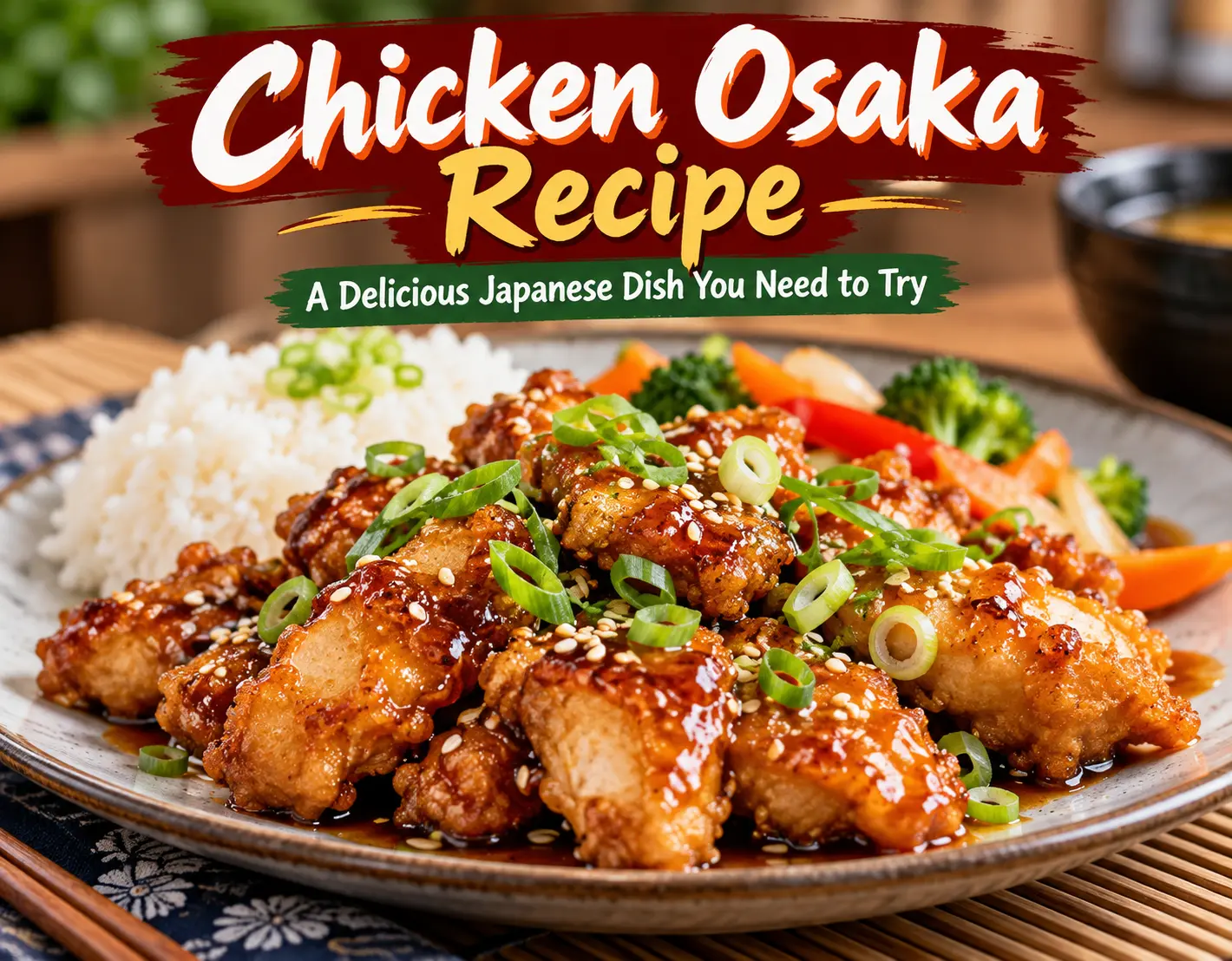
If you’re looking for an easy, flavorful chicken dinner with a crispy texture and a delicious sweet-and-savory sauce, this Chicken Osaka recipe is worth adding to your menu. It combines tender pieces of chicken with a crispy coating, a rich Japanese-inspired sauce, garlic, green onions, and simple pantry ingredients.
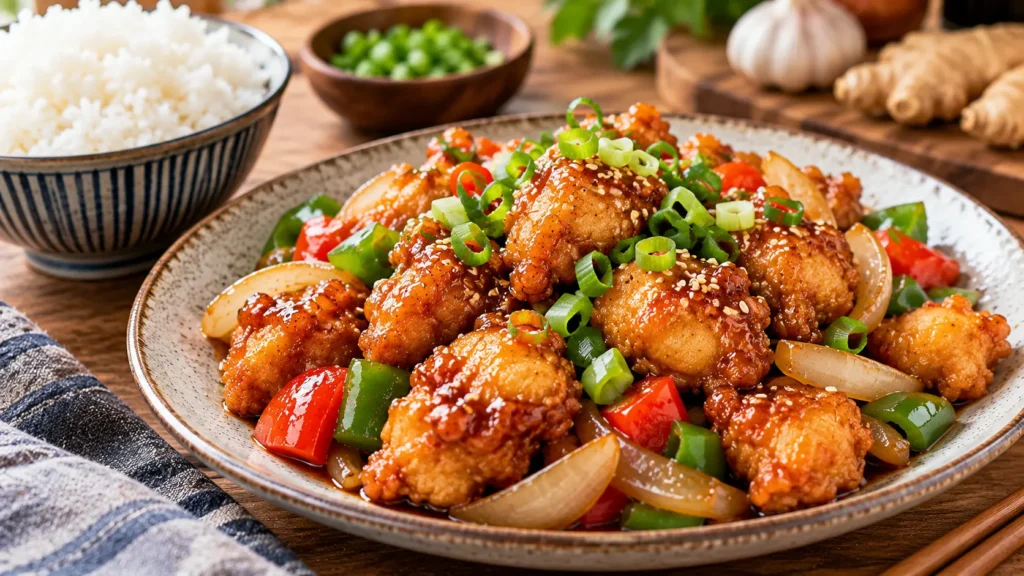
One of the best things about Chicken Osaka is how easy it is to customize. You can add vegetables such as onions, carrots, bell peppers, or broccoli, adjust the sweetness of the sauce, or add a little chili for extra heat. Served with steamed rice, noodles, or vegetables, it can become a satisfying homemade meal.
Whether you’re cooking for your family or simply want to try something different for dinner, this Japanese-style chicken recipe offers plenty of flavor without requiring complicated cooking techniques.
What Is Chicken Osaka?
Chicken Osaka is generally described as a Japanese-inspired chicken dish featuring bite-sized chicken cooked with a savory sauce. Depending on the recipe, the chicken may be fried or stir-fried and served with rice, noodles, vegetables, or other Japanese-inspired side dishes.
This version combines crispy chicken with a sweet, salty, and slightly tangy sauce made from ingredients such as soy sauce, rice vinegar, sugar, garlic, and green onions. The result is a flavorful dish that is easy to prepare at home.
History of Chicken Osaka
The name “Chicken Osaka” is commonly used for Japanese-inspired chicken dishes associated with the flavors and cooking styles often found in Osaka cuisine. However, recipes marketed under this name can vary considerably, and there is not one universally standardized Chicken Osaka recipe.
Osaka is well known for its food culture and dishes that emphasize bold, satisfying flavors. Japanese cooking also frequently uses ingredients such as soy sauce, mirin, sake, ginger, garlic, and green onions to create layers of savory and sweet flavors.
Over time, Japanese-inspired chicken recipes have become popular around the world. Different restaurants and home cooks have developed their own versions, using variations of sauces, marinades, vegetables, and cooking methods.
The recipe below is a homemade interpretation that combines crispy fried chicken with a flavorful sauce for an easy and satisfying meal.
Chicken Osaka Ingredients
Before you start cooking, gather all the ingredients. Having everything prepared in advance makes the cooking process much easier.
- 1 pound boneless, skinless chicken breasts
- 1/2 cup all-purpose flour
- 1/2 cup cornstarch
- 1 teaspoon baking powder
- 1/2 teaspoon salt
- 1/4 teaspoon black pepper
- 1/2 cup cold water
- 1/2 cup cold soda water
- 1 egg
- 1 tablespoon vegetable oil
- 1 tablespoon soy sauce
- 1 tablespoon rice vinegar
- 1 tablespoon sugar
- 1 tablespoon cornstarch
- 2 cloves garlic, minced
- 2 green onions, thinly sliced
- Vegetable oil, for frying
How to Prepare the Ingredients
Start by cutting the chicken breasts into small, even pieces. Pat the chicken dry with paper towels. Removing excess moisture helps the coating stick to the chicken and can also help produce a crispier exterior when frying.
In one bowl, combine the flour, cornstarch, baking powder, salt, and black pepper. In a separate bowl, whisk together the cold water, soda water, egg, and vegetable oil.
Gradually combine the dry ingredients with the wet mixture and stir until you have a smooth batter. Avoid overmixing, as a slightly light batter can help produce a better texture.
For the sauce, combine soy sauce, rice vinegar, sugar, cornstarch, minced garlic, and sliced green onions. Stir well so that the cornstarch is evenly distributed.
Kitchen Tools Needed
Cutting Tools
A sharp chef’s knife makes it easier to cut the chicken into evenly sized pieces. A smaller knife can also be useful for preparing garlic, green onions, ginger, and other ingredients.
Cookware
You’ll need a large skillet, wok, or deep, heavy-bottomed pot depending on whether you choose to fry or stir-fry the chicken. Tongs or a wooden spatula are useful for turning and handling the chicken.
Measuring Tools
Measuring cups and spoons help keep the sauce and batter balanced. A kitchen thermometer can also be useful when frying because maintaining the correct oil temperature helps the chicken cook evenly.
How to Make Chicken Osaka
1. Prepare the Chicken
Cut approximately 500g of boneless chicken breast into bite-sized pieces and pat them dry. Season lightly with salt and black pepper. If desired, toss the chicken with a small amount of cornstarch and allow it to rest for about 10 to 15 minutes.
2. Make the Sauce
For a richer Japanese-inspired sauce, combine soy sauce, mirin, sake, sugar, and cornstarch in a bowl. Whisk until the sugar begins to dissolve and there are no obvious cornstarch lumps.
If you are following the ingredient list above, you can use soy sauce, rice vinegar, sugar, garlic, and green onions for a simpler sauce.
3. Coat the Chicken
Add the chicken pieces to the prepared batter and gently mix until each piece is evenly coated. Try not to leave large areas of exposed chicken, as an even coating helps create a consistent crispy texture.
4. Fry the Chicken
Heat vegetable oil to approximately 375°F (190°C). Carefully add the chicken in small batches. Avoid overcrowding the pan because adding too much chicken at once can lower the oil temperature and result in less crispy chicken.
Fry the chicken until the coating becomes golden brown and the chicken is fully cooked. Transfer the pieces to a paper towel-lined plate or wire rack to remove excess oil.
5. Toss With the Sauce
Place the prepared sauce in a skillet over medium heat. Allow it to warm and thicken slightly. Add the cooked chicken and gently toss until the sauce coats each piece.
Finish with sliced green onions and, if you like, sesame seeds or a small amount of sliced chili. Serve immediately while the chicken is still warm and crispy.
Chicken Osaka Cooking Process
Cooking the Chicken
Heat the oil before adding the chicken. Once the oil reaches the appropriate temperature, carefully place the battered chicken pieces into the pan in batches.
Cook the chicken until the outside is golden and crisp and the inside is completely cooked. Depending on the size of the pieces and the cooking temperature, this may take several minutes.
For food safety, chicken should reach an internal temperature of 165°F (74°C). A kitchen thermometer is the easiest way to check.
Finishing the Dish
Once the chicken is cooked, prepare the sauce in a clean skillet. You can also sauté sliced onions, bell peppers, carrots, or other vegetables before adding the sauce.
Add the chicken to the pan and toss gently until everything is coated. Cook for another minute or two, allowing the sauce to cling to the chicken without making the crispy coating excessively soggy.
Garnish with green onions and sesame seeds, then serve immediately with your favorite side dish.
Serving Suggestions for Chicken Osaka
Chicken Osaka is versatile enough to serve with several different sides. Here are some simple ways to turn it into a complete meal:
- Steamed rice: White rice or brown rice provides a simple base and absorbs the flavorful sauce.
- Stir-fried vegetables: Broccoli, carrots, bell peppers, snap peas, and onions pair particularly well with the chicken.
- Noodles: Serve the chicken with ramen, udon, or soba noodles for a more filling meal.
- Fresh salad: A crisp green salad can balance the rich, savory flavors of the chicken.
- Garnishes: Add sliced green onions, sesame seeds, fresh chili, or a sprinkle of toasted sesame seeds for extra texture.
For the best texture, serve the chicken shortly after tossing it with the sauce. This helps retain some of the crispiness from the fried coating.
Tips for Making the Best Chicken Osaka
- Cut the chicken evenly: Similar-sized pieces cook at roughly the same rate.
- Keep the batter cold: Cold water and soda water can help create a lighter, crispier coating.
- Don’t overcrowd the pan: Frying in smaller batches helps maintain the oil temperature.
- Don’t make the sauce too thick: The sauce should coat the chicken without becoming overly sticky or pasty.
- Serve immediately: Fried chicken is at its best shortly after cooking.
- Adjust the flavor: Add more sugar for sweetness, soy sauce for saltiness, or chili for heat.
Storage and Reheating
If you have leftovers, proper storage can help maintain their quality and reduce food-safety risks.
How to Store Chicken Osaka
- Place leftover Chicken Osaka in an airtight container and refrigerate it promptly.
- Use refrigerated leftovers within 3 to 4 days.
- For longer storage, place the chicken in a suitable freezer-safe container and freeze it for up to 3 months for best quality.
How to Reheat Chicken Osaka
- Oven: Reheat in a preheated 350°F oven until thoroughly heated.
- Air fryer: An air fryer can help restore some of the crispiness to the coating.
- Microwave: The microwave is convenient, although the coating may become softer.
Try to reheat only the portion you plan to eat. Repeated reheating can affect both the texture and overall quality of the chicken.
Nutritional Information
Knowing the approximate nutritional content of a meal can be useful when planning your diet. The exact nutrition of Chicken Osaka will depend on the ingredients, portion size, amount of oil absorbed during frying, and the sides served with it.
The original recipe estimates approximately 320 calories, 25 grams of protein, 12 grams of fat, and 20 grams of carbohydrates per serving. These figures should be treated as estimates rather than exact nutritional values because preparation methods and serving sizes can vary.
Chicken provides protein, while ingredients such as green onions, garlic, and vegetables can contribute additional vitamins and minerals. Serving the chicken with vegetables can also add fiber and nutrients to the overall meal.
For more recipe inspiration, you can also explore this chicken recipe.
Variations of Chicken Osaka
One of the advantages of making Chicken Osaka at home is that you can easily change the flavor to suit your preferences. Try one of these variations:
- Spicy Chicken Osaka: Add red pepper flakes, chili sauce, or fresh sliced chili for extra heat.
- Soy Sauce Chicken Osaka: Increase the soy sauce slightly for a deeper savory and umami flavor.
- Ginger Chicken Osaka: Add freshly grated ginger to the sauce for a fragrant, slightly spicy flavor.
- Honey Chicken Osaka: Replace some of the sugar with honey for a sweeter sauce and glossy finish.
- Vegetable Chicken Osaka: Add broccoli, carrots, bell peppers, onions, or snap peas to make the dish more substantial.
- Honey Mustard Chicken Osaka: Add a small amount of honey and mustard for a sweet and tangy variation.
These variations make it easy to adapt the recipe depending on what you already have in your kitchen and the type of flavor you prefer.
Frequently Asked Questions About Chicken Osaka
What is Chicken Osaka?
Chicken Osaka is a Japanese-inspired chicken dish that typically combines bite-sized chicken with a flavorful savory or sweet-and-savory sauce. Different recipes can use different ingredients and cooking methods, so the exact preparation can vary.
What does Chicken Osaka taste like?
Chicken Osaka generally has a savory, slightly sweet, and umami-rich flavor. Depending on the recipe, soy sauce, garlic, ginger, mirin, sake, rice vinegar, or chili can add additional depth.
What is Osaka sauce made of?
There is no single standardized Osaka sauce recipe. A Japanese-inspired sauce for Chicken Osaka may contain soy sauce, mirin, sake, sugar, garlic, rice vinegar, ginger, or other seasonings. The proportions can be adjusted according to taste.
Can I make Chicken Osaka without frying?
Yes. You can cook the chicken in a skillet, wok, oven, or air fryer instead of deep-frying it. The texture will be different, but the sauce and seasonings can still provide plenty of flavor.
Can I use chicken thighs instead of chicken breast?
Yes. Boneless, skinless chicken thighs are a good alternative to chicken breast. They are generally more forgiving during cooking and can produce a particularly juicy result.
Can I add vegetables to Chicken Osaka?
Absolutely. Broccoli, carrots, onions, bell peppers, snap peas, and mushrooms can all work well. Stir-fry the vegetables separately or cook them in the same pan before combining them with the chicken and sauce.
How do I make Chicken Osaka sauce at home?
A simple homemade sauce can be made by combining soy sauce, rice vinegar, sugar, garlic, and green onions. For a more traditional Japanese-inspired flavor profile, you can also use ingredients such as mirin and sake.
How can I make Chicken Osaka crispy?
For crispier chicken, pat the chicken dry before coating it, use a properly chilled batter, avoid overcrowding the frying pan, and maintain the oil at an appropriate temperature. Toss the chicken with sauce just before serving to prevent the coating from becoming too soft.
How long does Chicken Osaka last in the refrigerator?
Properly stored leftovers should generally be consumed within 3 to 4 days when refrigerated. Keep the chicken in an airtight container and refrigerate it promptly after cooking.
Can I freeze Chicken Osaka?
Yes. Chicken Osaka can be frozen in an airtight, freezer-safe container. For the best quality, use frozen leftovers within about 3 months. Keep in mind that the crispy coating may soften after freezing and reheating.
How many calories are in Chicken Osaka?
The calorie content depends on the recipe, serving size, amount of frying oil, sauce, and side dishes. The original recipe estimates around 320 calories per serving, but this should be considered an approximate figure rather than a laboratory-tested nutritional value.
What are the ingredients in Mustard Seed Osaka Sauce?
Mustard Seed Osaka Sauce is described as a commercially available Osaka-style sauce. Product ingredients can vary, so it is best to check the ingredient label on the specific bottle for the most accurate and current information.
Where can I purchase Mustard Seed Osaka Sauce?
Availability depends on your location. You may find Osaka-style sauces at Asian grocery stores, supermarkets, specialty food shops, or online retailers. Check the product label and retailer information for current availability.
How do I make Noodle Express Osaka sauce?
You can make a simple homemade version by combining soy sauce, mirin, sake, sugar, and additional seasonings to taste. Adjust the sweetness and saltiness according to how you plan to serve the sauce.
What are the calories in Chicken Osaka Noodle Express?
The calorie count can vary depending on the serving size, noodles, chicken, sauce, and preparation method. A typical restaurant-style serving may contain several hundred calories, but the exact amount should be checked against the nutrition information provided by the restaurant or product.
Final Thoughts
This Chicken Osaka recipe is a flavorful way to bring Japanese-inspired cooking into your kitchen. Crispy chicken, a rich savory sauce, garlic, and green onions come together to create a meal that works well for both weeknight dinners and casual gatherings.
The recipe is also flexible. You can use chicken thighs instead of breast, add your favorite vegetables, increase the spice level, or serve it over rice or noodles. Once you understand the basic technique, it is easy to make the dish your own.
Gather your ingredients, prepare the sauce, cook the chicken until golden and tender, and serve it while it is hot for the best experience.