
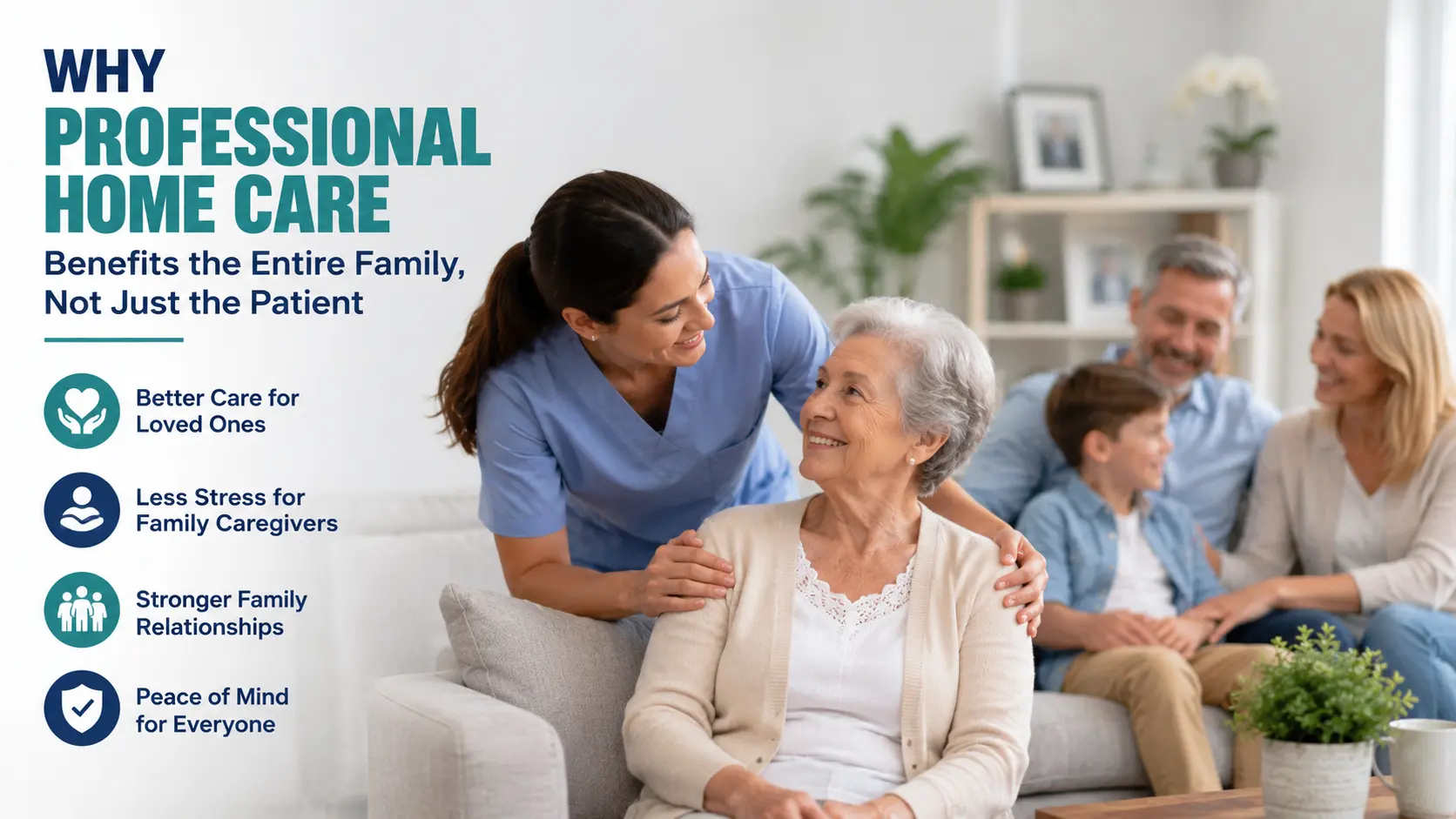
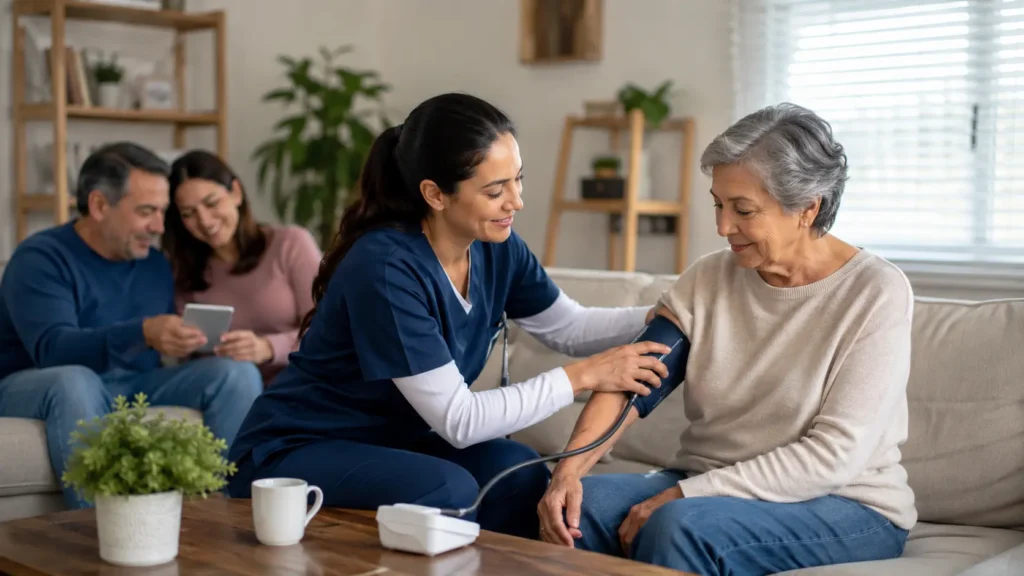
In most families, when a parent or spouse needs daily care, the instinct is to help out and provide that care. It often falls on the shoulders of a family member, leading to physical and emotional strain over time. Having a professional caregiver can ensure your loved one gets the care they need and help reduce the strain on family relationships.
The sandwich generation isn’t a phase
Adult children who are currently raising families and maintaining careers have made it clear, through extensive interviews over the years, that they do not see themselves in a temporary, unsustainable situation. They aren’t running on fumes for a marathon caregiving sprint, they are running on fumes for a multi-decade marathon caregiving ultra-endurance race.
This isn’t going to get better in a few months. Or years. This is the rest of their lives, and they are acutely conscious it’s only going to get harder.
If you frame the options as “put your life on hold and eventually watch your parent(s) die in unspeakable circumstances” versus “keep going until you die,” most people will pick the second. And they’ll cry a lot while they do. The greater the emotional and physical toll, the deeper the love.
What it does to the relationship
One aspect that’s often overlooked is how assuming the role of bathing and toileting care for a father changes the daughter’s relationship with him. Not temporarily. Unwinding that shift is extremely difficult. Likewise, the father feels shame or loss of control. The daughter in many cases also becomes the nag, constantly reminding her parent to do these personal hygiene tasks. The adult child feels guilt on top of exhaustion.
Outsourcing those physical care tasks to a professional means the son can come over and watch the game with dad, not oversee the medications. That daughter can come and just be with her mother, not walk in with a mental checklist. These aren’t small things. It’s often everything.
Older adults will almost always accept help and behavioral redirection from a neutral professional easier than they will accept it from a family member because there is far less ego involved. A trained caregiver telling Dad to use the grab bar isn’t a child telling a parent what to do. The power dynamic is different. And it makes it easier on everyone for the professional to be the “bad guy” or the heavy.
The health risk to caregivers isn’t theoretical
Almost a quarter of caregivers say that their health has gotten worse because of their caregiving (National Alliance for Caregiving and AARP). That’s not a side effect.
You know that caregiver burnout is real and that it piles up slowly. Bad sleep, missed medical care, bad eating, and low-grade stress with no relief all accumulate over weeks and months. Eventually, self-exhaustion turns into disease: depression and anxiety are common, as are many kinds of physical injury, often from lifting or moving a patient incorrectly.
Compassion fatigue is just a different outgrowth of the same problem: when a person becomes totally overwhelmed by another’s health crisis, they become less available for emotional support. This frequently adds up until the caregiver is out of empathy for their patient. Professional help can catch that before it happens.
Structure replaces chaos
One of the advantages of professional care that people overlook is the fact that there is a plan. An in-home care plan is not bureaucratic paper-pushing; it is a viable map that considers the patient’s unique medical and non-medical needs, alerts to health status changes, and maintains organization among all involved.
When families use a regulated service, such as Care Mountain, they shift from reactive, unorganized caregiving to a setting where roles are evident and professional supervision remains constant. This change is important. When there is a trained professional in the house regularly, minor health changes are discovered early. Medication mistakes are avoided. Hazards (loose carpets, bad lighting, cluttered rooms) are exposed before they cause a fall.
This kind of attention minimizes visits to the emergency room and readmission to the hospital, which are very expensive and highly stressful for the whole family, not just the patient.
Dignity is part of the care
Most older adults prefer to age in place. In other words, they want to grow old in their own home. They are familiar with the environment and quite often have formed strong emotional connections with the house, making the very thought of leaving unbearable. It also means that they are able to stick to their routines, which can be comforting in the face of growing older.
Staying put also allows older adults to have more control over their own lifestyle and decisions. They have the freedom to make the choices that affect their life without having to consult with anybody else first. This is very important in feeling independent and self-sufficient. But above all, it is the emotional attachment and sense of self that is their identity.
Choosing professional care isn’t stepping back
The guilt families experience about involving professional help is usually misplaced. It’s not an admission that you don’t care enough. It’s an admission that the person you love deserves consistent, trained, specialized attention – and that you can give something just as valuable by staying in your actual role rather than a borrowed one.
The family relationship outlasts the caregiving season. Professional home care helps make sure both the patient and the people who love them come through it intact.