
When an emergency happens, knowing what to do can make a significant difference. Trauma first aid training is designed to help people develop practical emergency response skills through hands-on learning, realistic scenarios, and essential first aid techniques.
Unlike training that focuses mainly on theory, a trauma first aid certification course gives participants opportunities to practice how they might respond to injuries and other urgent situations. From assessing a casualty and understanding the ABCs of first aid to managing bleeding and supporting injured limbs, the goal is to build practical skills and confidence.
So, what can you actually expect when you enroll in a trauma first aid training certification course? Let’s explore the key areas covered and how hands-on practice can help prepare you to respond more effectively during an emergency.
Understanding the Basics of Trauma First Aid
Most trauma first aid courses begin with the fundamentals. Before participants move into more advanced techniques, they need to understand how to recognize injuries, assess an emergency, and determine what needs immediate attention.
One important concept introduced during first aid training is the ABC approach, which refers to airway, breathing, and circulation. Understanding these priorities can help first responders organize their actions when dealing with someone who may be seriously injured.
Participants may also learn how to recognize different types of injuries and understand when professional emergency medical assistance is required. These fundamentals provide the foundation for the practical skills taught throughout the rest of the course.
Hands-On Practice for Real-Life Emergencies
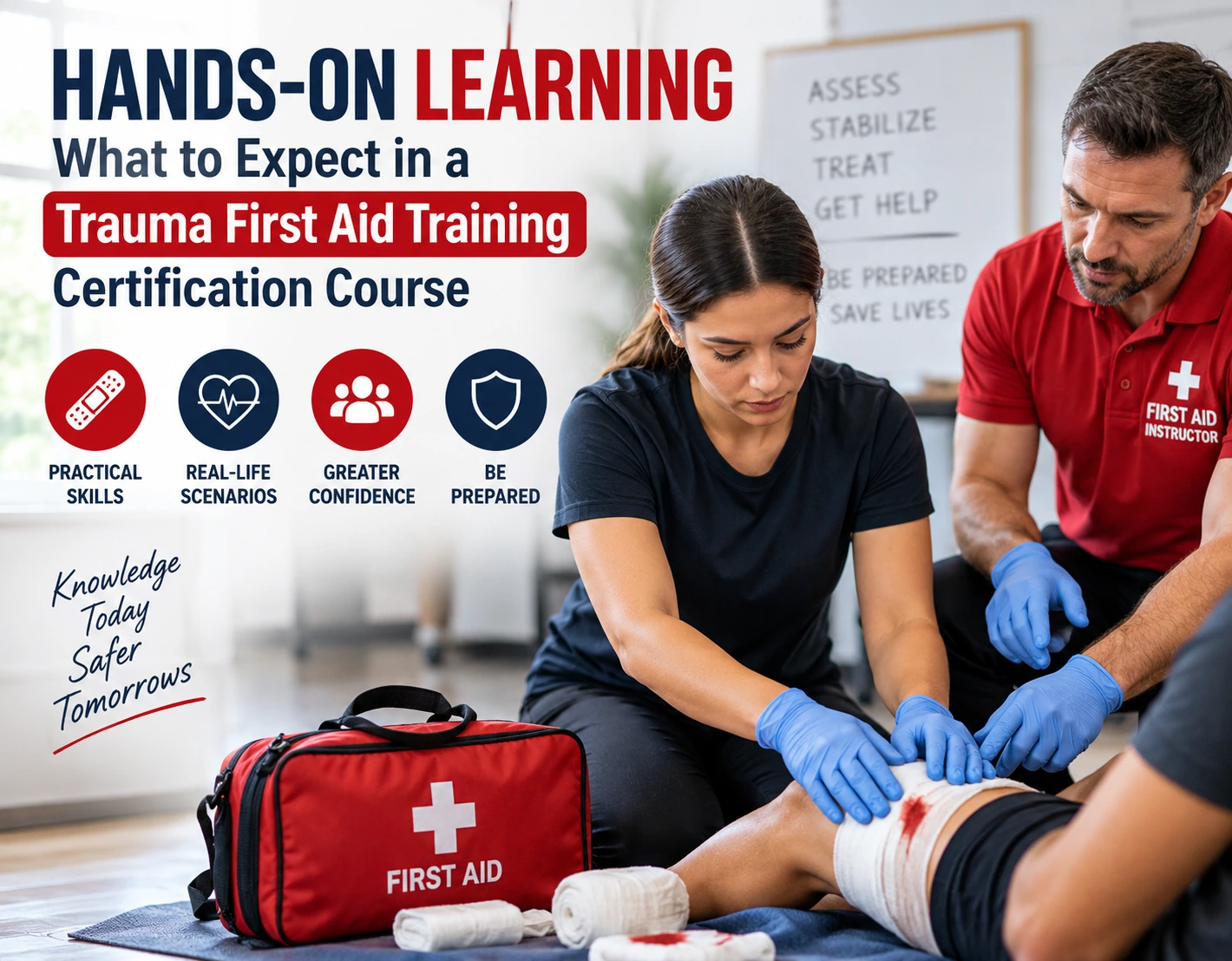
One of the biggest advantages of hands-on trauma first aid training is the opportunity to practice rather than simply listen to lectures. Participants can work through simulated emergency situations and apply what they have learned in a controlled training environment.
Depending on the course, practical exercises may include applying pressure to a wound, controlling bleeding, supporting an injured limb, positioning a casualty safely, or responding to other common trauma situations.
This type of practice can make first aid techniques easier to understand and remember. It also gives participants an opportunity to become familiar with the equipment and procedures they may need to use during an actual emergency.
Learning How to Respond Under Pressure
Emergencies can be stressful. People may feel nervous or uncertain when they suddenly find themselves responsible for helping an injured person. Trauma first aid training addresses this challenge by using realistic scenarios that encourage participants to think through their response.
Instead of simply memorizing a list of procedures, participants can practice assessing a situation, identifying immediate priorities, taking appropriate action, and communicating with others. Repeating these exercises can help make the response process feel more familiar.
The objective is not to turn every participant into a medical professional. Rather, the training helps people understand their role as a first responder while emphasizing the importance of contacting qualified emergency medical services when necessary.
Developing Essential First Responder Skills
As the course progresses, participants can develop a broader range of first responder skills. The exact curriculum depends on the training provider and certification level, but trauma first aid courses commonly cover different types of injuries and emergency response techniques.
Training may include topics such as wound care, bleeding control, injury assessment, fracture and sprain support, and other basic first aid responses. Participants may also work through different scenarios to understand how their approach should change depending on the circumstances.
For people who want to build a wider emergency response skill set, additional CPR and first aid certification may also be worth considering. You can Get CPR/First Aid Certified to explore certification options that can complement trauma first aid knowledge.
What Happens During Practical Training?
Practical sessions are often one of the most engaging parts of a trauma first aid certification course. Rather than only reading about emergency procedures, participants may be asked to demonstrate techniques or respond to simulated scenarios.
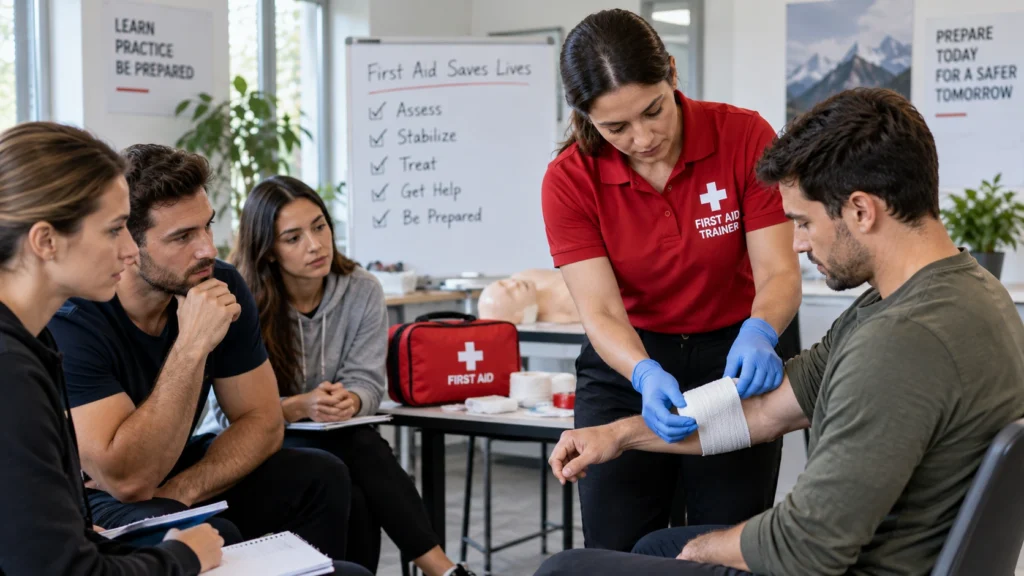
A typical practical session may involve an instructor explaining a technique, demonstrating the correct approach, and then allowing participants to practice it themselves. Instructors can provide feedback and explain how the technique may need to be adapted to different circumstances.
This hands-on approach can be especially useful for people who learn better by doing. It allows participants to identify areas where they need additional practice before completing their training.
Building Confidence Through Repetition
Confidence is another important part of first aid training. Knowing the theory is useful, but participants also need to feel comfortable applying basic techniques when faced with an emergency.
Repeated practice gives participants the opportunity to become more familiar with first aid procedures. Working through different scenarios can also help them understand that emergencies do not always happen exactly as they appear in a textbook.
By practicing in a supervised environment, participants can make mistakes, ask questions, receive feedback, and improve their technique without the pressure of a real emergency.
Preparing for Unexpected Situations
The main purpose of trauma first aid training is to improve preparedness. Accidents and injuries can happen at home, at work, while traveling, during outdoor activities, or in other everyday environments.
A certification course can help participants understand how to approach an emergency systematically. Instead of immediately reacting without a plan, they can learn to assess the situation, consider safety, provide appropriate first aid within their level of training, and seek professional help when required.
It is important to remember that first aid training does not replace professional medical treatment. Serious injuries and life-threatening emergencies require appropriate emergency medical care as quickly as possible.
Who Can Benefit From Trauma First Aid Training?
Trauma first aid training can be useful for a wide range of people. The ideal course depends on an individual’s responsibilities, workplace requirements, previous experience, and desired level of certification.
Parents, teachers, workplace employees, outdoor enthusiasts, security personnel, caregivers, community volunteers, and people who simply want to improve their emergency preparedness may all find first aid education valuable.
People working in environments where injuries are more likely may also benefit from training that is specifically designed around the risks associated with their workplace or activities.
What to Look for in a Trauma First Aid Certification Course
Not all first aid courses are identical, so it is worth reviewing the course details before enrolling. Look at the topics covered, practical training requirements, certification details, instructor qualifications, course duration, and whether the training includes hands-on assessment.
You should also check whether the certification meets any requirements relevant to your workplace, profession, organization, or local regulations. If you need certification for employment, confirm the requirements with your employer before choosing a course.
Frequently Asked Questions About Trauma First Aid Training
What is trauma first aid training?
Trauma first aid training teaches participants how to recognize and respond to injuries and emergency situations using basic first aid principles. Courses often combine theoretical instruction with practical exercises and simulated scenarios.
What skills are taught in trauma first aid courses?
Depending on the course, participants may learn skills related to injury assessment, bleeding control, wound care, supporting injured limbs, emergency response procedures, and other basic first aid techniques. The exact curriculum varies by provider and certification level.
Is trauma first aid training hands-on?
Many trauma first aid courses include hands-on practice. Participants may practice techniques and work through simulated emergency scenarios under the supervision of an instructor.
Do I need previous first aid experience?
Previous experience is not necessarily required for every trauma first aid course. Entry requirements vary, so check the prerequisites provided by the training organization before enrolling.
Can trauma first aid training replace medical treatment?
No. First aid is intended to provide appropriate immediate assistance until professional medical care is available. Serious or life-threatening injuries require emergency medical attention.
How can I improve my first aid skills after certification?
Regular refresher training and additional CPR or first aid courses can help you maintain and expand your skills. Practical practice and staying familiar with your certification provider’s guidance can also support ongoing preparedness.
Trauma First Aid Training: Turning Knowledge Into Action
Trauma first aid training goes beyond simply learning a list of emergency procedures. Its hands-on approach gives participants the opportunity to practice important skills, work through realistic situations, and better understand how to respond when someone is injured.
From learning the basics of emergency assessment to practicing bleeding control and other first responder techniques, each part of the course can contribute to greater preparedness. The right training can give participants practical knowledge they can use responsibly while waiting for professional medical assistance.
If you’re considering a trauma first aid certification course, take time to compare the curriculum, practical components, certification requirements, and course provider before enrolling. Being prepared starts with learning—and hands-on practice helps turn that knowledge into action.
Are you eager to learn more? Explore our blog for more practical guides, educational resources, and helpful information.