
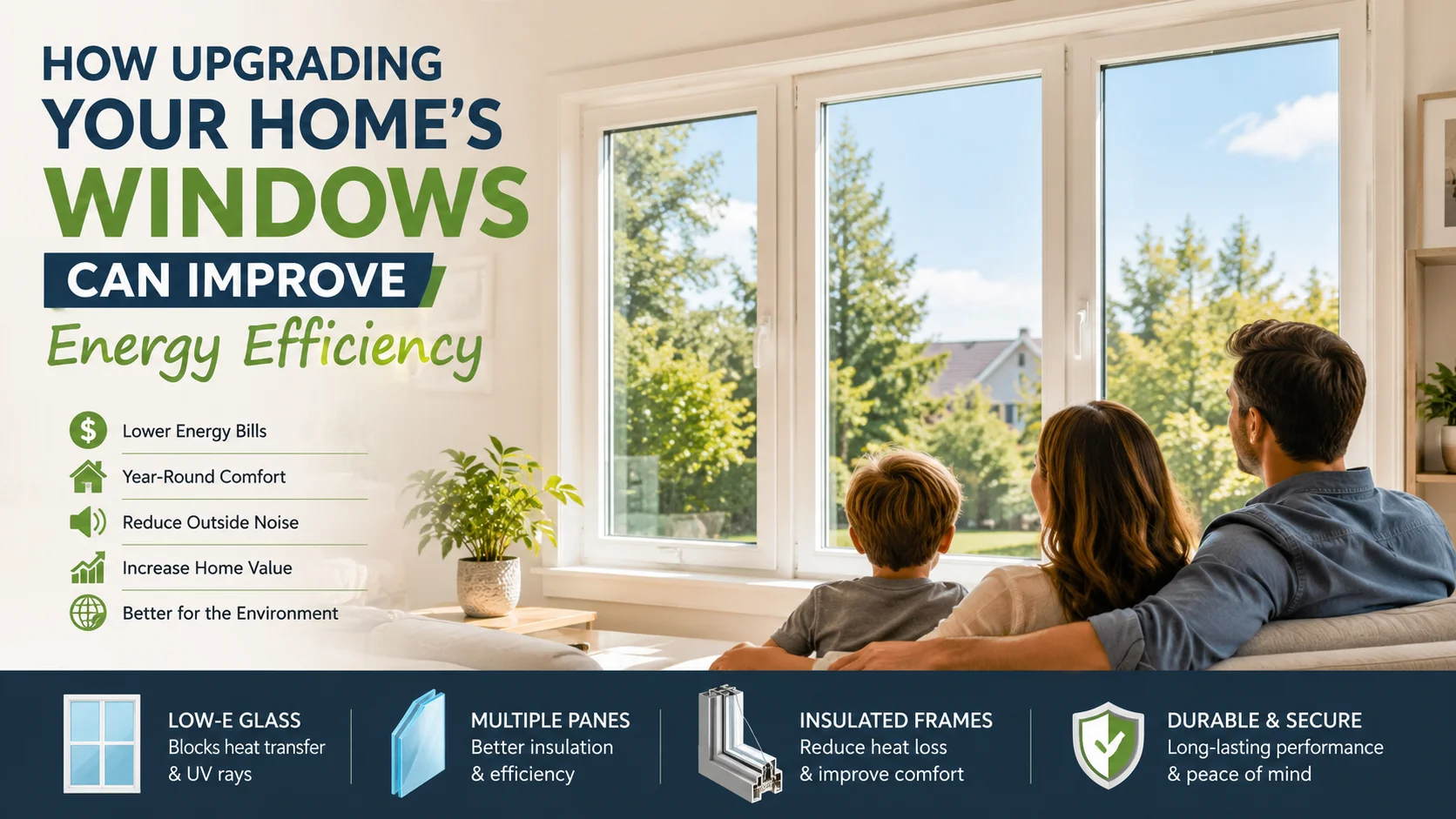
Upgrading your home’s windows is a strategic move for homeowners seeking a balance between comfort, energy savings, and modern style. Many contemporary options, such as bay windows, provide not only aesthetic appeal but also significant improvements in insulation and efficiency. In today’s real estate landscape, replacing outdated windows with new ones is one of the most effective investments you can make for greater performance and reduced utility costs. The technological advances in window materials and construction translate directly into reduced heat loss and cooling through your windows. By incorporating features such as multiple glazing layers and special glass coatings, newer window designs help stabilize your home’s temperature year-round. Homeowners see both immediate benefits in lowered bills and long-term advantages in increased property value, illustrating why energy-efficient windows are such a desirable upgrade.
Understanding Energy-Efficient Windows
Energy-efficient windows are engineered to minimize unwanted heat transfer in and out of your home. These windows use advanced technologies to keep your environment cozy during cold months and cooler when temperatures rise. According to the U.S. Department of Energy, windows account for up to 30% of residential energy use for heating and cooling. Upgrading to modern, energy-efficient options can drastically reduce this number, enabling homeowners to enjoy a more sustainable, wallet-friendly lifestyle. Not only do these advanced windows help regulate interior temperatures, but they also provide increased UV protection, protecting household items like furniture, artwork, and flooring from sun damage. Over time, this can prevent color fading and material degradation, prolonging the lifespan and appearance of your home’s interiors. Additionally, modern energy-efficient windows often offer enhanced security features, making them more difficult to compromise than older window models. This improved safety is particularly valuable for homeowners seeking additional peace of mind. Modern design options also mean you can customize the look, from grids to hardware styles, without compromising on performance.
Key Features of Modern Windows
Modern energy-efficient window designs include a mix of the latest materials and construction techniques:
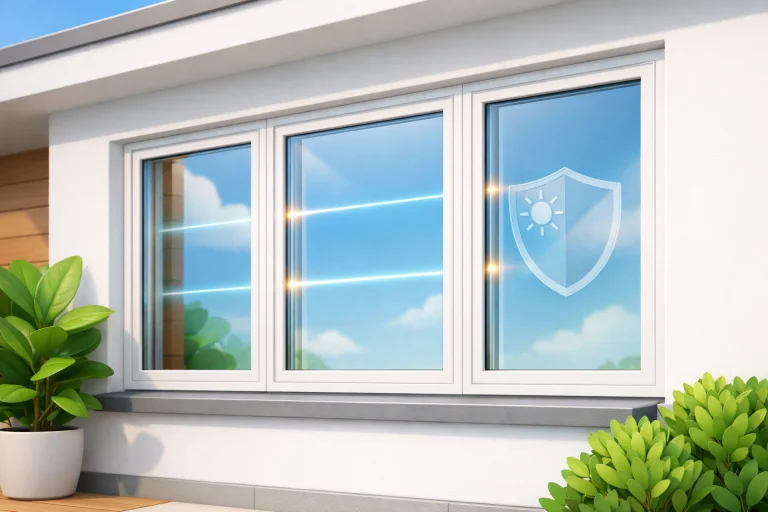
- Low-E Glass Coatings: These special coatings are almost invisible. They reflect infrared heat, helping keep warm air inside during winter and outside during summer.
- Multiple Glazing Layers: Most energy-efficient windows come with double or even triple panes. Between each pane, you’ll often find inert gases (such as argon or krypton) that provide extra insulation.
- Insulated Frames: Vinyl, wood, or fiberglass frames offer better resistance to temperature changes when compared to traditional aluminum frames.
- Quality Weatherstripping: Well-designed seals and weatherstripping eliminate drafts and moisture entry, preserving comfort inside your home.
Other notable features in today’s top-performing windows include tilt-in sashes for easier cleaning and built-in blinds or shades between the glazing, allowing you to customize your privacy and light control further. Window designs are also available with smart technology, integrating sensors and automation to manage ventilation and security remotely, adding an extra layer of convenience to your home’s energy management.
Benefits of Upgrading to Energy-Efficient Windows
The advantages of modern windows go beyond aesthetics, offering tangible improvements every homeowner can appreciate:
- Lowered Energy Bills: Windows certified by the ENERGY STAR program can reduce a home’s energy bills by up to 13% per year. This steady saving can make a noticeable difference over the lifespan of your windows. Consumer Reports provides more details on window efficiency.
- Enhanced Comfort Year-Round: The improved insulation from today’s windows means fewer drafts, more consistent room temperatures, and overall greater comfort throughout all seasons.
- Greater Noise Reduction: Multiple panes and insulated frames also act as a sound barrier, making your interior spaces quieter and more restful.
- Boosted Property Value: Energy-efficient upgrades are considered smart investments. Potential buyers are drawn to homes with modern features that promise lower utility costs and improved comfort, raising your resale value.
Another benefit often overlooked is the impact on local and global environments. Energy-efficient windows help reduce total energy demand, which, in turn, lowers greenhouse gas emissions if your utility relies on fossil fuels. This means that by upgrading your windows, you are contributing to a more sustainable future. Many local governments and utility companies also offer rebates, low-interest loans, or tax incentives further to reduce the upfront cost of your window upgrade project. These financial incentives can make upgrading even more affordable and attractive for homeowners looking to make a responsible investment.
Choosing the Right Windows for Your Home
To maximize the return on your window investment, choose options that suit your specific climate and needs:
- Climate Considerations: The best window products for your home depend on whether you live in a cold, hot, or mixed climate. Regional suitability ensures optimal insulation and performance year-round.
- Energy Performance Ratings: Look for windows with clear labels displaying U-Factor (how well it insulates) and Solar Heat Gain Coefficient (SHGC, which measures heat gain from sunlight). Both should align with your region and energy goals.
- Desirable Frame Materials: Materials like vinyl and fiberglass are favorites for their combination of durability and insulating properties. Each offers a low-maintenance solution to support energy savings.
In addition to considering climate and performance ratings, consider your home’s architectural style and how window shapes, sizes, and designs can complement or enhance its character. Custom windows are available to suit historic renovations, modern upgrades, or unique spaces, so you never have to sacrifice appearance for performance. Consulting with a local window specialist can ensure your choices align with regional building codes, neighborhood guidelines, and, ultimately, your aesthetic preferences.
Installation and Maintenance Tips
Even the most advanced window will not achieve maximum performance if installed incorrectly. Always hire certified professionals, as expert installation prevents air leaks and moisture intrusion. After installation, routine maintenance is crucial. Clean window tracks, check weatherstripping, and inspect sealants regularly to support long-lasting efficiency. In addition to these basics, consider applying a manufacturer-recommended lubricant to moving parts, and take advantage of warranty services or annual inspections offered by your installer. Keeping exterior caulking in good condition also ensures your investment remains protected from water infiltration. Proactive care not only maintains your window’s performance but can often extend the lifespan beyond the manufacturer’s initial estimates. Many homeowners find that a simple seasonal checklist can make maintenance straightforward and hassle-free.
Conclusion
Upgrading to energy-efficient windows pays off in comfort, lower utility bills, and higher home value. By understanding the innovations behind modern window design and selecting products tailored to your climate, you can make an informed choice for your home. Professional installation and regular upkeep ensure you’ll enjoy the benefits for many years, making this home improvement both practical and rewarding.
As technology and materials continue to evolve, energy-efficient windows are becoming more accessible and effective. By staying informed and working with trusted professionals, you can secure ongoing savings, enhanced security, and greater enjoyment of your living spaces. Now is an ideal time to consider a window upgrade, not only for the immediate return on your investment, but also for the long-term energy resilience and comfort it provides your household.