
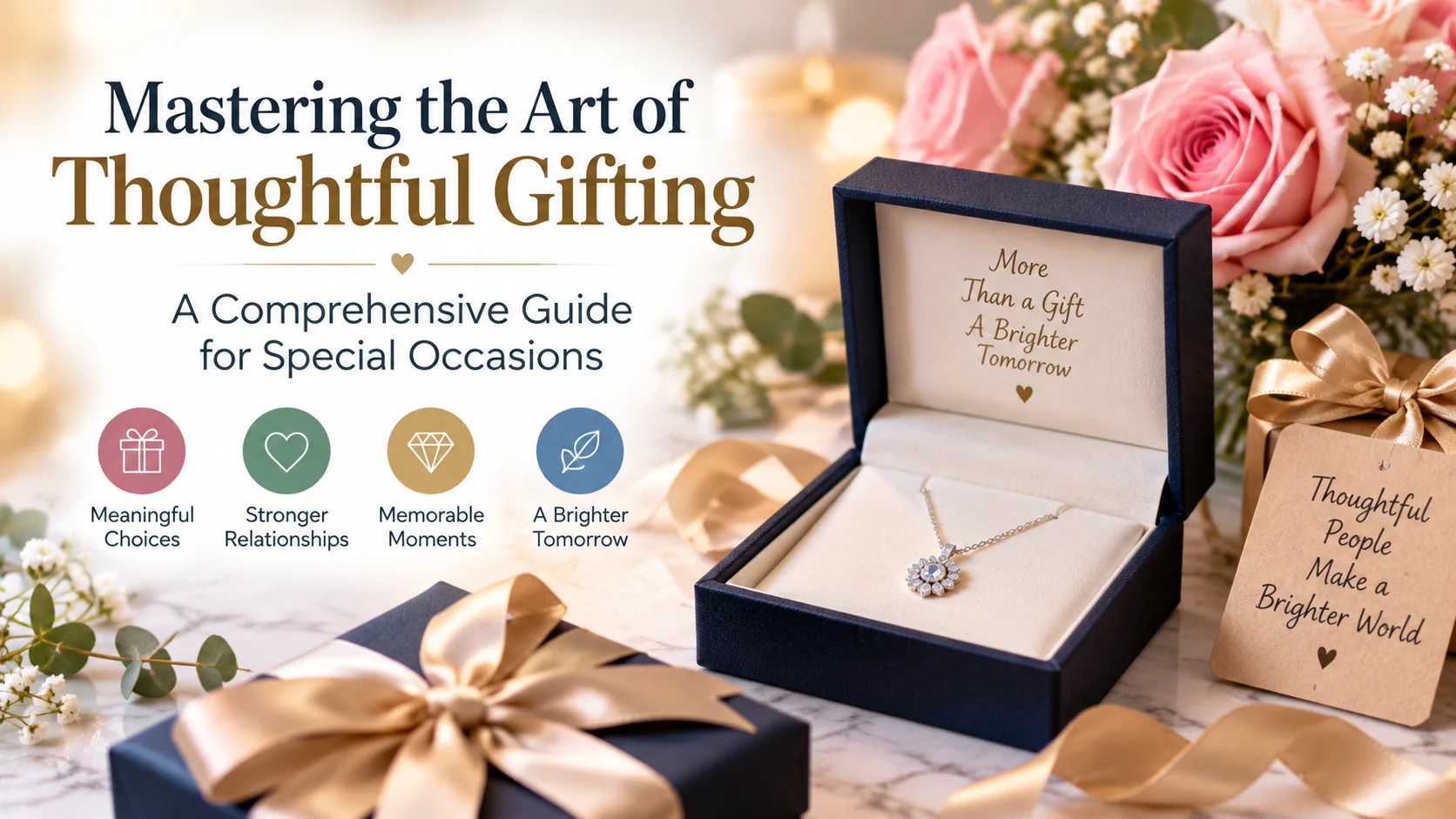
Choosing a meaningful gift for someone special is about much more than finding something attractive and putting it in a box. The best gifts reflect an understanding of the recipient, the relationship you share, and the occasion being celebrated. A thoughtful gift can turn an ordinary moment into a lasting memory because it communicates care, appreciation, and affection.
Whether you are shopping for a birthday, anniversary, wedding, holiday, graduation, promotion, or another important milestone, the process can sometimes feel overwhelming. There are countless products and possibilities, but the most expensive option is not necessarily the most meaningful one.
The art of thoughtful gifting lies in finding something that feels personal and appropriate while also considering the recipient’s personality, lifestyle, preferences, and the significance of the occasion. In this comprehensive guide, we will explore how to choose memorable gifts, personalize them, present them beautifully, and create a gifting experience that goes beyond the object itself.
1. Understand What Makes a Gift Thoughtful
A thoughtful gift goes beyond being a mere object. It reflects attention, affection, appreciation, or an understanding of the recipient. The emotional meaning behind a gift can often matter more than its monetary value.
For example, a carefully selected book for someone who loves reading may have more emotional significance than an expensive item that does not match their interests. Similarly, a personalized piece of jewelry can become especially meaningful when it represents an important date, relationship, achievement, or memory.
Before buying anything, ask yourself a simple question: What would make this person feel seen and appreciated? That question can help shift your focus from simply purchasing a product to creating a meaningful experience.
2. Understand Your Recipient
Understanding the recipient is one of the most important parts of successful gifting. A great gift is usually connected to something about the person’s personality, interests, lifestyle, or experiences.
Consider their hobbies, profession, favorite activities, personal style, and the things they frequently talk about. Pay attention to subtle clues. They may have mentioned a product they admire, a hobby they want to explore, a place they want to visit, or something they have wanted for a long time.
You should also consider whether they prefer practical gifts, sentimental keepsakes, experiences, fashion items, technology, books, or luxury products. Someone who prefers minimalist fashion, for instance, may appreciate a simple and elegant accessory more than a bold statement piece.
If you are unsure about their preferences, discreetly asking a friend or family member can help. You can also look at the types of items they already use and wear for clues about their taste.
3. Match the Gift to the Occasion
The occasion provides important context when choosing a gift. A present that works perfectly for a birthday may not be appropriate for a wedding or professional milestone.
- Birthdays: Consider something connected to the recipient’s personality, interests, or current wishes.
- Anniversaries: Sentimental and personalized gifts can be especially appropriate because they celebrate the history of a relationship.
- Weddings: Choose something that celebrates the couple or contributes meaningfully to their new life together.
- Graduations: Consider gifts that recognize achievement while supporting the recipient’s next stage of life.
- Promotions and professional milestones: Elegant, practical, and appropriately personal gifts can recognize achievement without becoming overly intimate.
- Holidays: The recipient’s traditions, interests, and expectations can help determine whether a practical, sentimental, or luxurious gift is appropriate.
Matching the gift to the occasion demonstrates that you have considered not only the person but also the meaning behind the celebration.
4. Consider Your Budget Without Losing the Personal Touch
A thoughtful gift does not have to be the most expensive gift. Setting a realistic budget before shopping can help you avoid choosing something simply because it has a higher price tag.
Think about the value the gift has for the recipient rather than its cost alone. Personalization, usefulness, emotional significance, and presentation can all increase the perceived value of a gift.
If you have a larger budget, luxury items can provide an impressive gifting experience. However, the principle remains the same: the item should suit the recipient rather than being chosen solely because it is expensive.
5. The Art of Personalization
Personalization can transform a beautiful gift into something that feels uniquely connected to the recipient. Initials, names, important dates, meaningful symbols, or custom messages can give an otherwise ordinary item greater emotional significance.
Luxury men’s jewelry presents an opportunity for personalized gifting. Many luxury brands offer customization options, enabling you to add initials, special dates, or meaningful symbols to jewelry. This adds a unique and heartfelt touch to your gift.
Personalization does not always have to involve engraving. You can also personalize a gift through your choice of color, style, material, design, or the way you combine several items into a single gift experience.
The key is to make the personalization meaningful. Adding someone’s initials simply because you can may not have the same impact as choosing a symbol or date that has genuine significance to your relationship.
6. Choose Luxury Jewelry With the Recipient in Mind
Jewelry has long been associated with significant occasions because it can combine beauty, craftsmanship, symbolism, and lasting value. A carefully selected piece can become a keepsake that the recipient continues to wear and appreciate for years.
However, choosing jewelry requires attention to personal style. Consider whether the recipient typically wears gold, silver, platinum, or other finishes. Look at the size and style of the jewelry they already own. Someone who prefers understated accessories may appreciate a delicate design, while someone with a bold fashion style may enjoy a more distinctive piece.
You should also consider practicality. Earrings, bracelets, necklaces, rings, and other pieces can suit different lifestyles and preferences. If you are uncertain about sizing, an item that does not require a precise fit can sometimes be a safer choice.
7. Elevate the Presentation
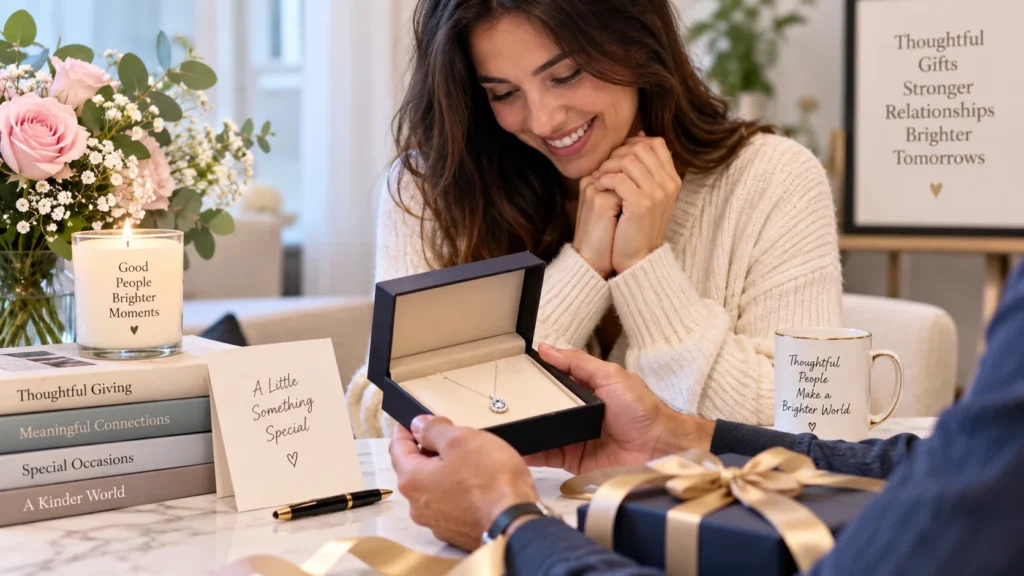
The presentation of a gift can influence the experience almost as much as the gift itself. Opening a carefully prepared package creates anticipation and shows that you invested time and attention into the moment.
Investing effort in how you present your gift can be as important as the gift itself. A beautifully wrapped gift not only conveys care but also enhances the recipient’s anticipation and excitement.
Consider the recipient’s personality when choosing wrapping materials. Elegant and understated packaging may work well for a luxury jewelry gift, while colorful or creative packaging might suit a younger recipient or a casual celebration.
A handwritten card can add another personal element. Even a short message explaining why you chose the gift can make the moment more memorable.
8. Add Thoughtful Extras
A memorable gift does not always have to be a single item. Thoughtful extras can turn a simple present into a complete experience.
Luxury gifting often involves meaningful extras to create a more immersive experience. Alongside the luxury jewelry, consider adding a heartfelt note, a bouquet of their favorite flowers, or perhaps a reservation at their preferred restaurant. These thoughtful extras can elevate the overall gifting experience, making it truly unforgettable.
Other possibilities include a favorite book, a photograph, a small item related to a shared memory, or an experience you can enjoy together. The best extra is usually something that reinforces the reason behind the gift rather than something added simply to make the package larger.
9. Embrace Sustainability in Luxury Gifting
Thoughtful gifting increasingly includes consideration for the environmental and social impact of the products being purchased. Luxury does not necessarily have to conflict with sustainability. In fact, a well-made item designed to last can be a more thoughtful choice than something inexpensive and disposable.
With increasing environmental awareness, sustainability in the luxury industry has gained prominence. Many luxury brands have taken significant steps towards adopting ethical and eco-friendly practices. You can delve deeper into the realm of sustainable luxury gifting just by conducting a touch of independent research.
When evaluating a luxury gift, consider factors such as durability, responsible sourcing, materials, packaging, and whether the item is likely to remain useful or desirable for a long time. Choosing quality over short-lived trends can make the gift more sustainable as well as more meaningful.
10. Celebrate Special Occasions With Meaningful Gifts
Special occasions provide an opportunity to acknowledge important moments in someone’s life. A thoughtful gift can make those occasions feel even more significant because it demonstrates that you have taken the time to celebrate with them.
Whether it is a milestone birthday, an anniversary, a wedding, a graduation, a promotion, or a holiday, consider what the occasion represents before choosing the gift. A milestone may call for something lasting and symbolic, while a casual celebration may be better suited to something personal and fun.
The strongest gifts connect the occasion with the recipient. Instead of asking only, “What should I buy?” ask, “What does this occasion mean to this person, and how can my gift reflect that?”
11. Choose Experiences When Appropriate
Not every meaningful gift needs to be a physical object. Experiences can create memories that remain valuable long after the occasion has passed.
A dinner at a favorite restaurant, a weekend getaway, a concert, a class, a spa experience, or an activity related to the recipient’s interests can all make thoughtful gifts. Experiences can be particularly useful when the recipient already owns many physical possessions.
You can also combine an experience with a physical gift. For example, a piece of jewelry could accompany a special dinner or celebration, creating both a lasting keepsake and a memorable occasion.
12. Avoid Common Gifting Mistakes
Even well-intentioned gifts can miss the mark. Understanding common mistakes can help you make better choices.
- Choosing based only on price: An expensive gift is not automatically a thoughtful gift.
- Ignoring personal preferences: A gift should suit the recipient’s taste rather than the giver’s preferences.
- Waiting until the last minute: Rushed decisions often result in generic gifts that lack personal meaning.
- Over-personalizing: Personalization works best when it has genuine significance and fits the recipient’s style.
- Forgetting the occasion: Consider the significance and expectations associated with the event.
- Overlooking presentation: Careless packaging can make even a beautiful gift feel less special.
13. The Joy of Reciprocity
The art of gifting is not simply about giving something to another person. It is also about sharing a moment of happiness and strengthening a relationship.
When you give a thoughtful gift, you may experience the satisfaction of seeing the recipient’s reaction, hearing their appreciation, or creating a memory together. This emotional exchange is one of the reasons gifting can strengthen relationships.
Reciprocity does not mean expecting something of equal monetary value in return. The real reward can be the shared experience and deeper connection created through a sincere gesture.
14. Thoughtful Gifting as an Art Form
Thoughtful gifting can be viewed as an art because it requires observation, creativity, empathy, and attention to detail. The gift itself is only one part of the process.
The recipient, the occasion, the presentation, the message, and the experience surrounding the gift all contribute to its meaning. When these elements work together, even a relatively simple present can become deeply memorable.
The most successful gift-givers are not necessarily those who spend the most. They are the people who pay attention to the people they care about and use what they learn to make thoughtful choices.
15. The Role of Luxury Jewelry in Thoughtful Gifting
Luxury jewelry can be an especially meaningful choice for important occasions because it combines craftsmanship, personal style, symbolism, and lasting appeal. When selected carefully, a piece of jewelry can become associated with a specific memory or milestone for many years.
For example, the exquisite tanzanite earrings can be a stunning choice. These, adorned with the gemstone Tanzanite, not only exude luxury and elegance but also add a unique touch to any style. They can perfectly represent the affection and appreciation you wish to convey, making your gift truly unforgettable.
When choosing jewelry as a gift, focus on the recipient’s existing style and the significance of the occasion. A timeless design may be appropriate for an anniversary or milestone, while a distinctive gemstone or contemporary piece could be ideal for someone who enjoys experimenting with fashion.
Frequently Asked Questions About Thoughtful Gifting
What makes a gift thoughtful?
A thoughtful gift reflects the recipient’s personality, interests, preferences, or relationship with the giver. It does not have to be expensive; its personal relevance and the consideration behind it are often more important.
How do I choose a gift for someone who has everything?
Consider an experience, personalized keepsake, consumable item, or something connected to a specific interest. You can also choose an item that complements something they already enjoy rather than trying to find something completely new.
Is expensive jewelry always a good gift?
Not necessarily. Luxury jewelry can be an excellent gift when it matches the recipient’s style and the significance of the occasion. However, the price of a gift does not determine how meaningful it is.
How can I personalize a luxury gift?
Depending on the product and brand, personalization can include initials, names, important dates, meaningful symbols, custom designs, or selecting details that match the recipient’s preferences.
Are experiences better gifts than physical items?
It depends on the recipient. Some people value physical keepsakes, while others prefer memorable experiences. The best choice is the one that reflects the person’s interests and the meaning of the occasion.
Conclusion
Mastering the art of thoughtful gifting is ultimately about understanding people. The perfect gift is not necessarily the biggest, most expensive, or most luxurious option. It is the one that demonstrates that you paid attention to who the recipient is, what they value, and what the occasion means to them.
From personalization and beautiful presentation to sustainable choices and memorable experiences, every part of the gifting process can contribute to a meaningful moment. Luxury jewelry can provide an elegant and lasting option for important occasions, but its greatest value comes when the piece genuinely reflects the recipient’s personality and your relationship with them.
Whether you choose a personalized piece of jewelry, an unforgettable experience, or a simple gift connected to a cherished memory, focus on the thought behind the gesture. When a gift communicates genuine appreciation and care, it becomes more than an object—it becomes part of a story that the recipient can remember for years to come.