

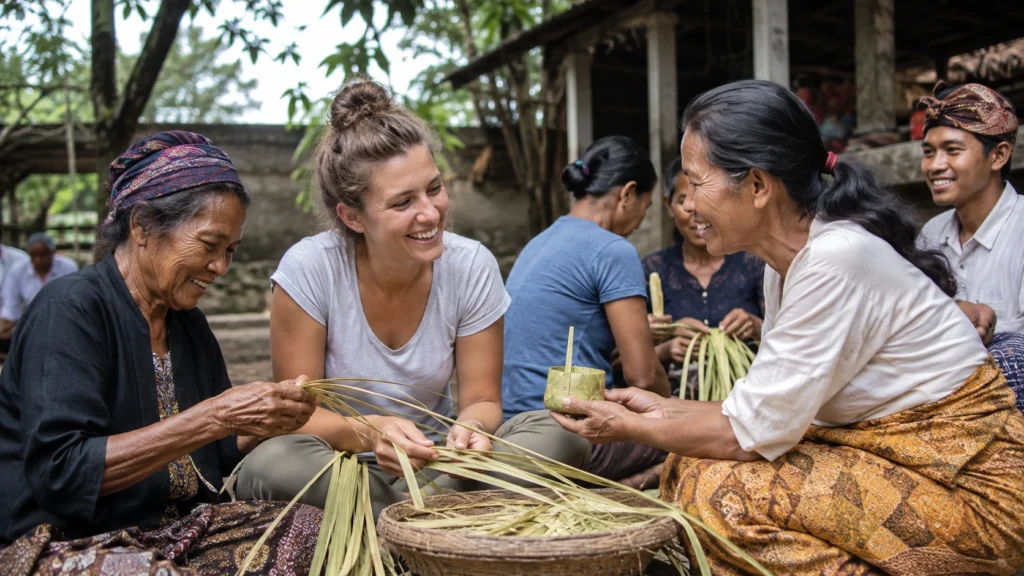
Travel has evolved beyond simply checking famous landmarks off a bucket list. Today, more people are seeking meaningful travel experiences that create lasting memories, foster personal growth, and build genuine connections with local communities. Whether you’re exploring a nearby national park or traveling across the globe, choosing experiences over attractions can transform an ordinary vacation into an unforgettable journey.
This guide explains how to make every trip more purposeful while improving your physical, emotional, and cultural well-being.
What Are Meaningful Travel Experiences?
Meaningful travel experiences focus on personal enrichment rather than simply visiting popular destinations. Instead of rushing from one tourist attraction to another, travelers spend time learning about local cultures, participating in community activities, enjoying nature, and embracing authentic experiences.
These trips often include:
- Meeting local residents
- Learning traditional skills
- Supporting local businesses
- Exploring natural landscapes
- Participating in volunteer opportunities
- Joining educational workshops
- Practicing sustainable tourism
The goal is to return home with more than photographs—you return with stories, friendships, new perspectives, and unforgettable memories.
Why Meaningful Travel Matters
Travel has the power to improve mental health, reduce stress, and inspire creativity. However, meaningful travel goes one step further by helping travelers develop empathy, confidence, and a greater appreciation for different cultures.
Benefits include:
- Greater personal growth
- Stronger cultural understanding
- Reduced travel stress
- Increased appreciation for nature
- More authentic experiences
- Lifelong memories
- Positive impact on local communities
Instead of asking, “What places should I see?” ask yourself, “What experiences will help me grow?”
1. Connect With Local Communities
One of the best ways to make travel meaningful is by interacting with local people.
Visit neighborhood markets, attend cultural festivals, enjoy locally owned restaurants, or take part in community events. Conversations with residents often reveal hidden gems that guidebooks never mention.
Supporting local businesses also helps strengthen the local economy while providing travelers with authentic experiences.
2. Choose Experiences Over Tourist Attractions
Popular landmarks are worth visiting, but don’t let them become your entire itinerary.
Balance sightseeing with experiences like:
- Traditional cooking classes
- Local art workshops
- Cultural performances
- Farm visits
- Handmade craft demonstrations
- Regional food tours
These activities create memories that often last much longer than taking another photo in front of a famous monument.
3. Volunteer While Traveling
Giving back during your journey creates a deeper connection with the places you visit.
Many organizations offer opportunities to assist with environmental conservation, wildlife protection, education, and community development.
Choose ethical volunteer programs that work closely with local communities and prioritize long-term benefits for residents.
4. Learn Something New
Travel provides one of the world’s best classrooms.
Consider learning:
- Local cooking techniques
- Traditional crafts
- Regional history
- Native languages
- Music or dance
- Environmental conservation
Educational experiences help you understand destinations from a local perspective rather than simply observing them as a visitor.
5. Spend More Time Outdoors
Nature has an incredible ability to restore both physical and mental well-being.
Explore:
- National parks
- Nature reserves
- Botanical gardens
- Hiking trails
- Scenic cycling routes
- Coastal walking paths
Outdoor adventures encourage mindfulness while helping travelers stay active throughout their trip.
6. Slow Down Your Schedule
Many vacations become exhausting because travelers try to visit too many places in too little time.
Instead:
- Stay longer in one destination.
- Explore neighborhoods on foot.
- Enjoy relaxed mornings.
- Take breaks at local cafés.
- Watch everyday life unfold.
Slow travel often leads to richer experiences and less stress.
7. Support Sustainable Tourism
Responsible travel helps preserve destinations for future generations.
Simple choices include:
- Using reusable water bottles
- Reducing plastic waste
- Respecting wildlife
- Choosing eco-friendly accommodations
- Supporting local artisans
- Using public transportation when possible
Small actions collectively create a significant positive impact.
8. Create Lasting Memories Through Purposeful Activities
Rather than collecting souvenirs, collect experiences.
You can even try volunteering or taking educational programs to add meaning and interaction to travel. For those looking to make a lasting impact, volunteering on a mission trip offers the opportunity to support local communities while gaining meaningful cultural experiences and personal growth. Explore outdoors by visiting national parks, taking walking tours, or cycling through scenic routes to keep travel both active and restorative. Greater focus on experiences can deepen joy and provide stories and memories that stay forever.
9. Keep a Travel Journal
Recording your experiences helps preserve memories beyond photographs.
Write about:
- Interesting conversations
- Local traditions
- Personal reflections
- Favorite meals
- Unexpected discoveries
- Lessons learned
Years later, these entries often become your most treasured travel souvenirs.
10. Try Local Cuisine
Food is one of the easiest ways to connect with a destination.
Instead of dining only at familiar chain restaurants:
- Visit family-owned eateries.
- Try regional specialties.
- Attend food festivals.
- Take cooking classes.
- Shop at local markets.
Every meal tells part of a destination’s story.
11. Be Open to Unexpected Experiences
Sometimes the best travel memories aren’t planned.
Accept invitations to local events, explore side streets, or spend an afternoon chatting with residents. Being flexible often leads to unforgettable moments that no itinerary could predict.
12. Travel With Gratitude
Meaningful travel begins with appreciation.
Respect local customs, protect natural environments, and remember that every destination is someone’s home. Traveling with kindness and curiosity enriches both your experience and the communities you visit.
Tips for Planning More Meaningful Travel Experiences
Before your next trip:
- Research local customs and traditions.
- Learn a few basic phrases in the local language.
- Book locally owned accommodations.
- Include outdoor activities.
- Schedule time to slow down.
- Consider volunteering or educational programs.
- Support small businesses whenever possible.
- Respect cultural differences and natural environments.
These simple habits help create more rewarding journeys while benefiting the places you visit.
Final Thoughts
Meaningful travel experiences are about far more than sightseeing. They encourage personal growth, cultural understanding, wellness, and genuine human connection. Whether you choose to volunteer, learn a new skill, explore breathtaking landscapes, or simply spend more time engaging with local communities, each intentional choice makes your journey richer and more memorable.
The greatest souvenirs are often the experiences that change how you see the world. By traveling with purpose, curiosity, and respect, every trip becomes an opportunity to learn, give back, and create stories you’ll cherish for years to come.
Frequently Asked Questions
What are meaningful travel experiences?
Meaningful travel experiences focus on authentic cultural connections, personal growth, learning opportunities, and activities that create lasting memories rather than simply visiting tourist attractions.
How can I make my vacation more meaningful?
Spend more time with local communities, explore nature, support small businesses, volunteer responsibly, join educational programs, and slow down your itinerary to enjoy authentic experiences.
Is volunteer travel worth it?
When organized ethically, volunteer travel can provide valuable cultural experiences while supporting local communities and contributing to worthwhile projects.
What is experiential travel?
Experiential travel emphasizes hands-on activities such as cooking classes, cultural workshops, outdoor adventures, and community engagement instead of traditional sightseeing.
Why is slow travel becoming popular?
Slow travel allows visitors to experience destinations more deeply, reduce travel stress, support local economies, and build stronger cultural connections.