
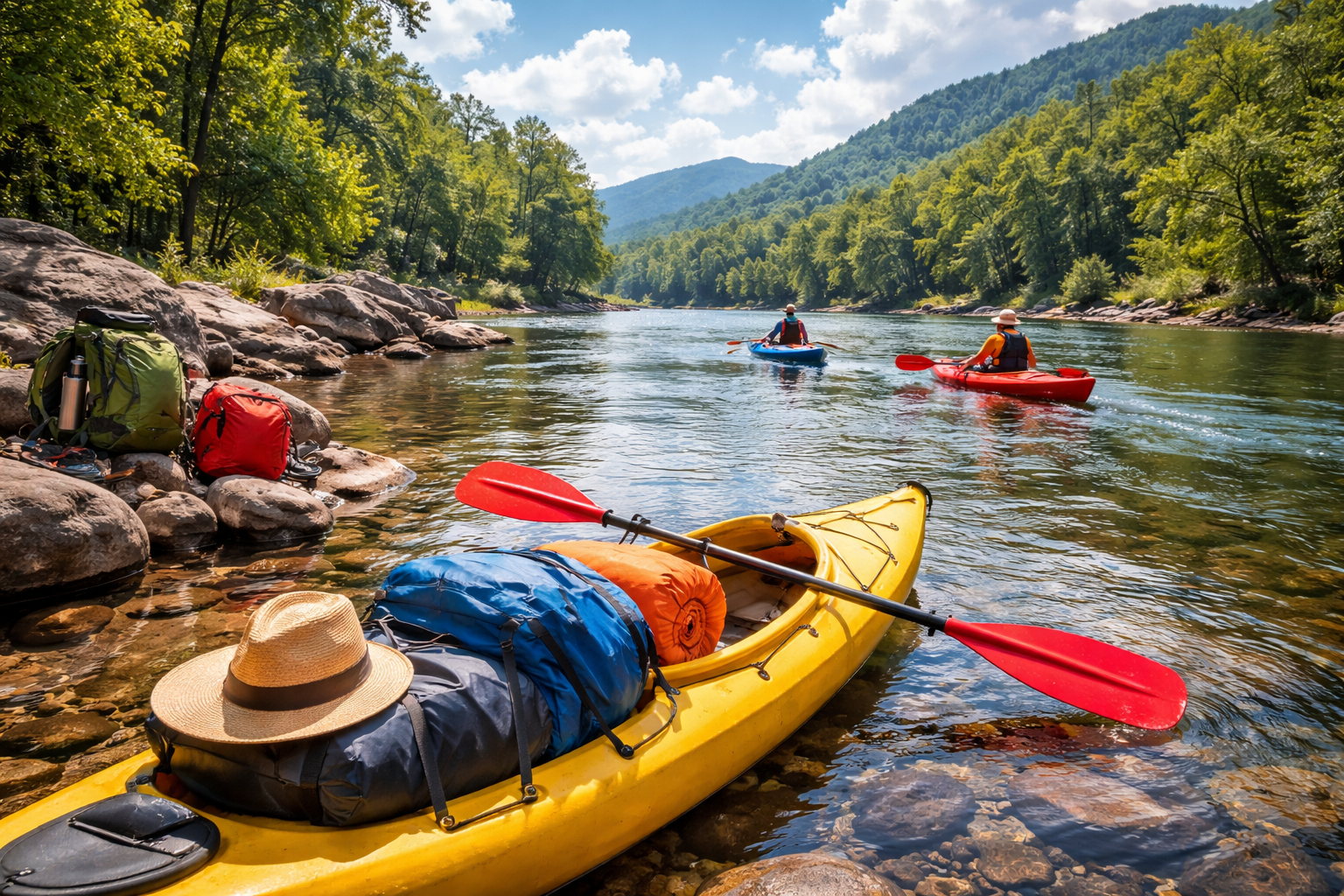
Preparing for a kayaking trip means packing the right gear, knowing the route, and getting your body ready before you hit the water. A little planning goes a long way toward keeping the trip safe and enjoyable.
The Shenandoah River is formed by the North Fork and South Fork, which meet near Front Royal. The river passes through the Blue Ridge Mountains, giving paddlers scenic views throughout the journey. It is popular for activities like canoeing, kayaking, fishing, and tubing, thanks to its gentle current and accessible entry point.
Many guides in the area offer guided Shenandoah River kayaking trips for those who want a more structured experience. Here are the tips for how to prepare for a fun kayaking trip.
Gear You Need Before Getting on the Water
Packing the right equipment is the first step toward a smooth trip. Forgetting even one item can turn a great day into a frustrating one.
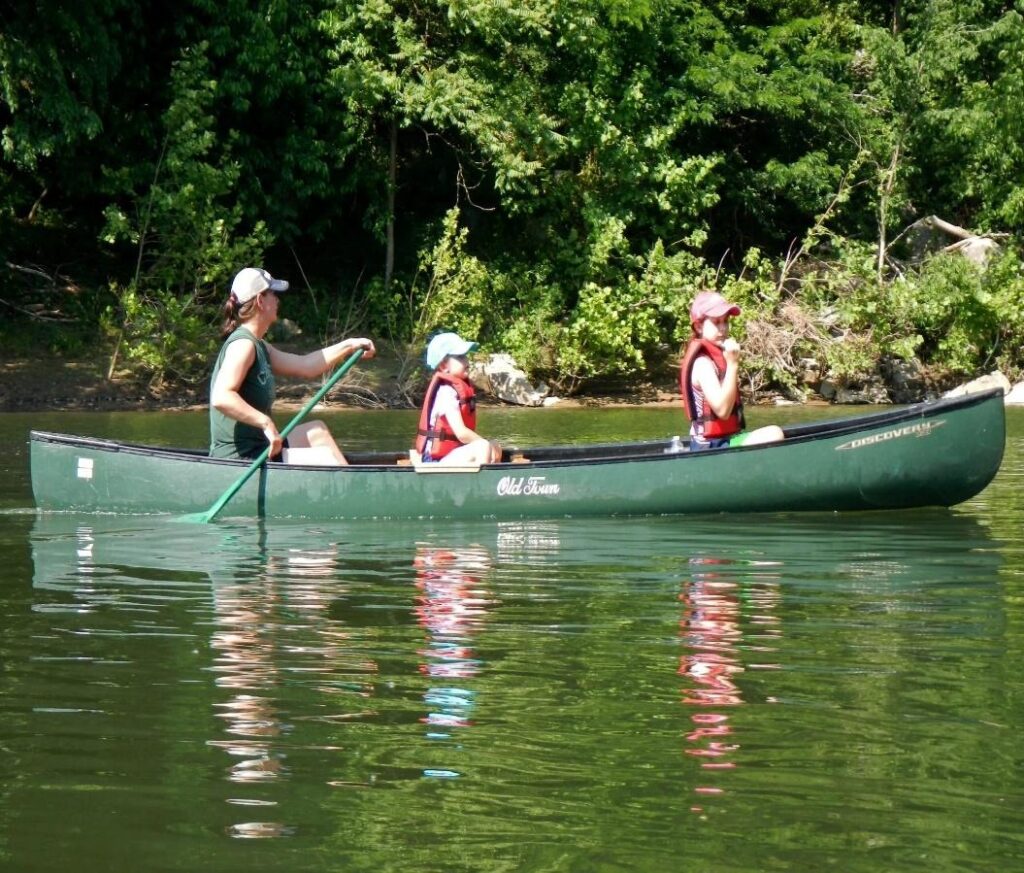
- Personal flotation device (PFD): Always wear a properly fitted life jacket on the water.
- Paddle: Choose a lightweight paddle that matches your height and kayak style.
- Dry bags: Keep your phone, food, and extra clothes dry inside sealed bags.
- Water shoes: Protect your feet when launching or landing on rocky shores.
- Sun protection: Bring sunscreen, sunglasses, and a hat for long hours on open water.
What to Wear for a Kayaking Trip
Clothing choices affect comfort and safety on the river. What works on land may not work on water.
Dressing for the Water Temperature
Always dress for the water temperature, not the air temperature. If the water is cold, wear a wetsuit or drysuit to protect against hypothermia. Cotton holds moisture and stays cold against the skin, so choose synthetic or wool fabrics instead.
Layering for Weather Changes
The weather on the river can shift quickly, especially near mountain terrain. Wear a base layer that pulls sweat away from your skin, then add a light windbreaker on top. Pack a rain jacket in your dry bag so you are ready if the sky changes mid-trip.
How to Physically Prepare for Kayaking
Kayaking works your shoulders, back, and core more than most people expect. Going out without any preparation can leave you sore or worn out before the trip ends.
Simple exercises like shoulder rotations, rows, and core holds will build the muscles you use most while paddling. Stretching your wrists and upper back before you get on the water helps reduce strain. Even a few short practice sessions in calm water can build your paddling technique and endurance.
Planning Your Route and Timing
Knowing your route in advance prevents confusion and keeps the group moving together. Check current water levels on the Shenandoah River kayaking trips route before you go, since levels change with rainfall and season.
- Start early in the morning to avoid the afternoon heat and wind.
- Pick a put-in and take-out point that matches your skill level.
- Share your float plan with someone who is not on the trip.
- Avoid paddling alone, especially on unfamiliar stretches.
Key Takeaways
- Wear a life jacket at all times while on the water.
- Pack dry bags to protect your phone, food, and spare clothes.
- Dress for water temperature, not just air temperature.
- Stretch and train your shoulders and core before the trip.
- Check river levels and plan your route before launch day.
- Start early and share your float plan with someone onshore.
- Choose put-in and take-out points that fit your experience level.