
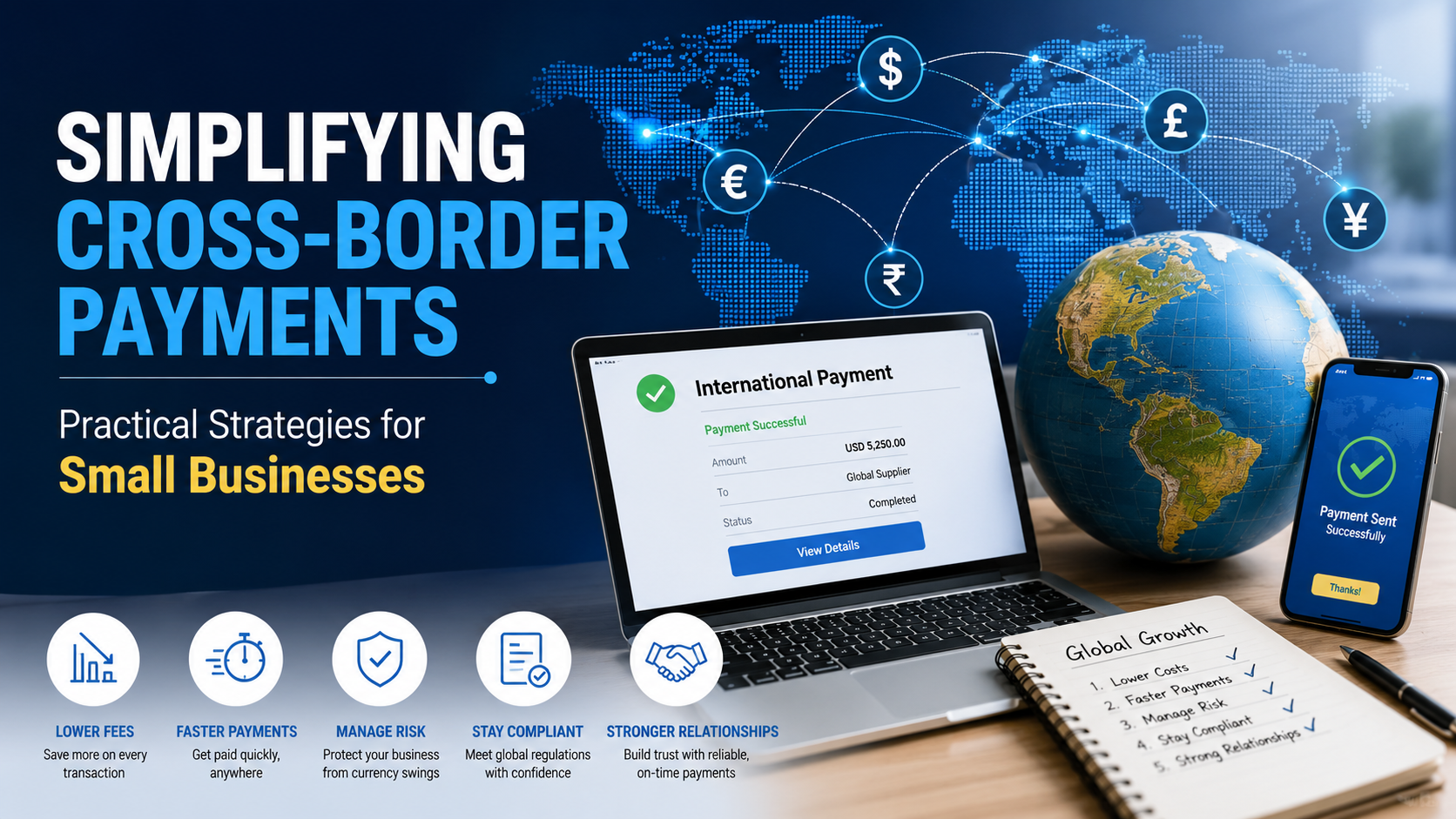
In today’s interconnected global economy, small businesses are more engaged than ever in international trade and collaboration. However, the complexities and costs associated with managing cross-border payments can be daunting, which is why understanding how to pay foreign contractors and suppliers efficiently is critical. As small businesses strive for growth, streamlining international payments becomes an essential aspect of maintaining healthy cash flow and solid global partnerships.
International payment processes can quickly become cumbersome due to factors like diverse regulations, currency exchange volatility, and evolving payment technologies. With the right knowledge and resources, however, small business owners can significantly enhance their global operations while minimizing risk and unnecessary expenses.
This article explores actionable strategies to help small businesses overcome cross-border payment challenges, strengthen relationships, and fully benefit from global markets.
Adopting new technologies, understanding payment solutions, and mitigating compliance risks all play distinct roles in this process. Businesses should familiarize themselves with available options to stay competitive and efficient.
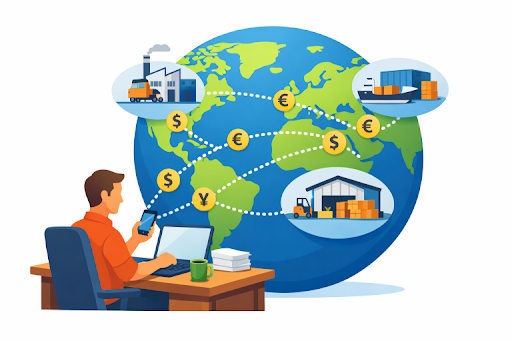
Challenges in Cross-Border Payments
Small businesses often encounter significant barriers when managing international payments:
- High Transaction Fees: Traditional banking methods typically come with significant fees, eating into profits with every cross-border transaction.
- Slow Processing Times: Payments across borders may take several days due to various checks and intermediaries—this unpredictability can negatively affect cash flow and business planning.
- Currency Fluctuations: Volatile exchange rates can make it hard to predict the final amount received or paid, introducing unnecessary risk to international dealings.
- Regulatory Compliance: Adhering to varying regulations in multiple countries can consume resources and complicate otherwise straightforward transactions.
Choosing the Right Payment Solutions
Selecting the most suitable payment method is crucial for reducing costs and administrative workload. These options include:
- International Wire Transfers: Often trusted for large sums, yet can accumulate considerable fees and slower transfer times.
- Online Payment Platforms: Services such as PayPal or Stripe offer a balance of user-friendly interfaces, quicker transfers, and moderate fees, ideal for many small businesses.
- Fintech Solutions: Innovative fintech providers, like Wise and Payoneer, are tailored to small businesses, boasting lower fees, streamlined onboarding, and many added features.
Leveraging Technology for Efficiency
Technological advancement is rapidly changing how businesses handle cross-border transactions. Implementing modern payment platforms can greatly improve efficiency, transparency, and scalability.
- Automated Payment Systems: Automation minimizes manual intervention, reducing the risk of errors and freeing up resources for more strategic tasks.
- Blockchain Technology: Blockchain provides security and transparency while minimizing transaction times and often lowering costs.
- Mobile Payment Apps: These apps give businesses the flexibility to manage payments from anywhere, helping maintain prompt and accurate pay cycles.
For additional insights on leveraging technology for global transactions, refer to this summary from Forbes.
Managing Currency Exchange Risks
Since unexpected shifts in exchange rates can affect profit margins, businesses need effective risk management practices:
- Forward Contracts: These allow businesses to lock in a set exchange rate for future transactions, protecting against rate volatility.
- Multi-Currency Accounts: By holding funds in various currencies, businesses can eliminate unnecessary conversions and strategically transfer money when rates are favorable.
- Regular Monitoring: Keeping a close watch on currency trends enables more informed and timely payment decisions.
Ensuring Compliance with International Regulations
Staying compliant with regulations across multiple jurisdictions helps businesses avoid fines and delays. Key steps include:
- Understand Local Laws: Each country has unique rules about financial transactions and reporting; thorough research is vital.
- Consult Experts: Legal and accounting specialists with international experience can ensure that your practices remain above board.
- Maintain Accurate Records: Documenting every transaction streamlines audits and bolsters legal defense if complications arise.
Strengthening Supplier Relationships
Reliable payment practices do more than streamline processes; they build confidence and foster long-term supplier relationships:
- Timely Payments: Making payments on schedule boosts your reputation among suppliers and may lead to better terms.
- Transparent Communication: Regular updates regarding payment status help avoid misunderstandings and reinforce trust.
- Negotiate Terms: Discussing mutually beneficial arrangements, such as discounts or flexible timelines, supports ongoing collaboration.
Case Study: Successful Implementation
Consider a small business that leveraged a fintech payment platform to transform its international payment process:
- Reduced Transaction Fees: Switching from traditional wire transfers to a fintech provider allowed the business to cut costs dramatically.
- Faster Processing Times: Payments that used to take days were completed within hours, providing crucial liquidity for ongoing operations.
- Improved Cash Flow: More predictable transfer times and lower fees empowered the business to plan more accurately and reinvest in growth initiatives.
Conclusion
To thrive in global markets, small businesses must adopt strategies that reduce complexity and cost in cross-border payments. By proactively tackling the challenges, choosing efficient payment methods, utilizing modern technology, managing currency risks, ensuring compliance, and nurturing supplier relationships, they can confidently scale their operations worldwide and safeguard profitability.