
Home improvements often start with comfort or style in mind, but protection should carry equal weight. A well-maintained property stands up better to harsh weather, water intrusion, and security risks. Strategic upgrades reduce vulnerabilities before they turn into expensive repairs. Roofing systems, drainage solutions, reinforced entry points, and smart lighting all contribute to a safer home.
Each improvement serves a purpose, yet together they form a practical defense system. Strong materials, thoughtful design, and proactive maintenance protect not just the structure itself, but also the long-term value of the property.
Roof Reinforcement and Impact Resistance
The roof serves as the first barrier against wind, rain, hail, and debris. Its condition directly affects the durability of the entire home. High-performance shingles, metal roofing panels, and properly sealed underlayment create a shield that resists impact and moisture penetration. Quality materials reduce the risk of leaks that can quietly damage insulation, ceilings, and framing.
Ventilation also plays a central role in roof protection. Balanced airflow prevents trapped moisture and heat from weakening structural components over time. Excess humidity can lead to mold growth and wood rot, both of which compromise stability. Regular inspections help identify loose shingles, cracked flashing, and worn seals before they escalate into costly issues.
Effective Drainage and Gutter Systems
Water management determines how well a property withstands heavy rainfall. Rainwater that pools around the home can create soil erosion, weaken surrounding soil, and place gradual stress on structural components. Left unmanaged, consistent runoff increases the risk of leaks and long-term damage.
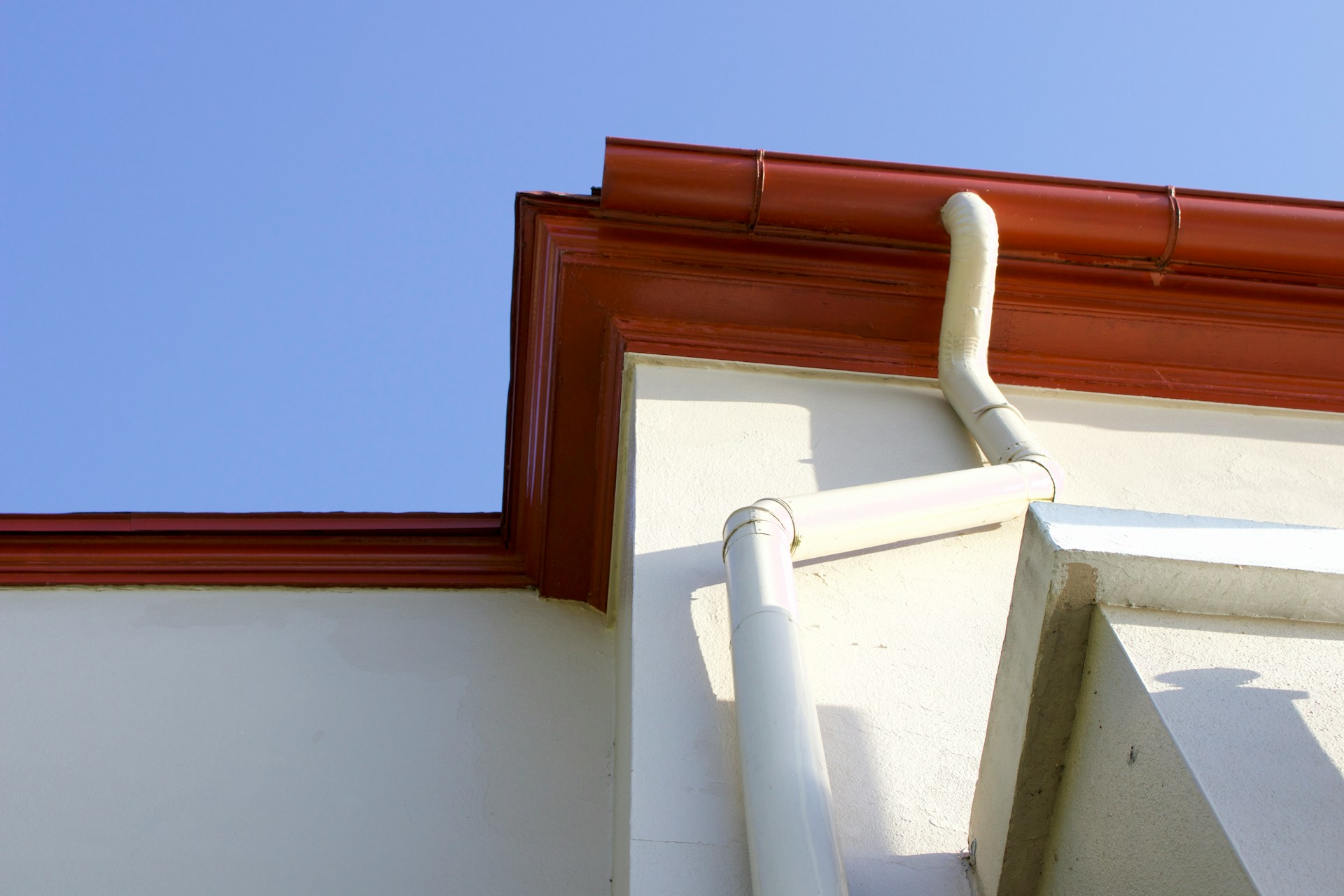
Gutters serve as the primary system for collecting and redirecting roof runoff before it reaches vulnerable areas. Professional gutter installation services help direct rainwater away from your home’s structure, reducing erosion, leaks, and expensive storm-related damage. Precise alignment and proper pitch ensure steady water flow during heavy storms. Securely fitted downspouts guide runoff toward designated drainage zones, preventing oversaturation near the home. Gutter guards reduce debris buildup, allowing water to move freely without obstruction.
Foundation Sealing and Structural Stability
Structural stability depends on keeping moisture away from load-bearing components. Small cracks in concrete or masonry may seem minor at first, but they can allow water to seep into interior spaces. Over time, repeated exposure to moisture weakens materials and creates uneven settling.
Waterproof sealants and protective membranes create a barrier that reduces infiltration. Interior solutions such as sump systems offer additional reassurance in areas prone to heavy rainfall. Early detection remains essential. Routine inspections make it easier to identify minor shifts or surface cracks before they expand. Stable structural support keeps walls aligned, floors level, and doors functioning properly.
Impact-Resistant Windows and Reinforced Doors
Windows and doors serve as entry points for both natural elements and potential security threats. Strengthening these areas improves safety and efficiency at the same time. Impact-resistant glass reduces the likelihood of shattering during storms. Reinforced frames provide additional stability against strong winds.
Solid-core doors and heavy-duty locks increase resistance to forced entry. Multi-point locking systems distribute pressure evenly, making doors more secure. Weather stripping around frames helps block drafts and moisture, supporting indoor comfort while reducing strain on heating and cooling systems.
Exterior Lighting and Security Systems
Lighting influences how secure a property feels after sunset. Dark corners and shadowed walkways can invite unwanted activity. Strategic exterior lighting improves visibility around entry points and along pathways. Motion-activated fixtures draw attention to movement and provide an immediate sense of awareness.
Security cameras and smart monitoring systems extend that visibility even further. Real-time alerts allow homeowners to respond quickly when unusual activity occurs. Remote access through mobile devices adds convenience without sacrificing control. Visible security measures often discourage trespassing before it happens. Combined with strong structural improvements, lighting and surveillance systems create a layered approach to property protection.
Fire-Resistant Materials and Safety Upgrades
Fire protection deserves careful attention, especially in regions prone to dry conditions or seasonal heat. Exterior materials play a major role in how quickly flames can spread. Fire-resistant roofing and fiber cement siding help reduce the risk of ignition and slow the progression of fire. These upgrades create a protective outer shell that can limit damage and give emergency responders more time to act.
Interior systems matter just as much. Updated smoke detectors with interconnected alerts improve response speed throughout the home. Modern electrical panels reduce the likelihood of overloaded circuits, which remain a common source of residential fires. Surge protection adds another layer of defense for appliances and wiring.
Smart Home Technology for Risk Monitoring
Technology now allows homeowners to monitor potential risks before they escalate. Leak detectors placed near appliances, sinks, and water heaters send alerts at the first sign of moisture. Early notification prevents minor leaks from turning into widespread water damage.
Smart water shutoff valves respond automatically when irregular flow patterns appear. Temperature sensors help prevent frozen pipes during colder months. Carbon monoxide detectors with mobile alerts extend safety beyond basic alarms. Centralized monitoring apps connect these systems into one accessible platform. Real-time information supports quick decisions, even when homeowners are away.
This same protective mindset extends to mobility safety, particularly in multi-story homes where quick, easy movement between floors matters just as much during emergencies as it does in daily life. Integrating an innovative home elevator enhances daily convenience while significantly increasing long-term property value. Designed to withstand coastal climates and meet local building standards, stylish Florida home elevators provide a safe, smart, and dependable way to future-proof multi-level living spaces.
Landscaping Choices That Protect Property
Landscaping influences both appearance and protection. Strategic tree placement prevents heavy branches from hanging over roofs or windows. Regular trimming reduces the risk of storm-related damage. Healthy root systems help stabilize soil, limiting erosion during heavy rainfall.
Grading also shapes how water moves across the property. Proper slope directs runoff away from structural areas and toward safe drainage zones. Gravel borders and drainage channels provide additional guidance for excess water. Native plants often require less irrigation, reducing soil oversaturation. Well-planned landscaping supports structural improvements rather than working against them.
Property protection relies on thoughtful improvements that work together. Reinforced roofing, effective drainage, sealed structural components, secure entry points, fire-resistant materials, smart monitoring systems, and intentional landscaping form a complete strategy. Each upgrade addresses a specific vulnerability while strengthening the home as a whole.
Preparation reduces uncertainty. Strategic investments today prevent disruption tomorrow. A stronger, safer, and smarter home offers more than peace of mind. It protects value, supports comfort, and stands ready for whatever challenges arise.