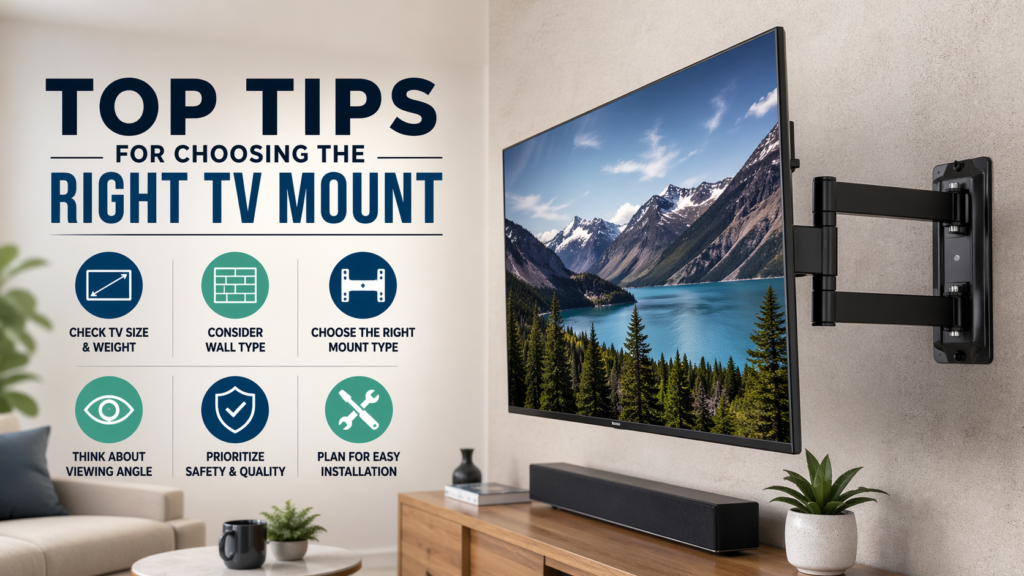
Wall-mounting your television can dramatically enhance both the style and function of your living space. The right mount opens up room, reduces clutter, and creates a streamlined, modern look. Before investing in a mounting solution or starting installation, it’s crucial to understand the key considerations that will help you choose the safest and most effective product for your needs. For a wide selection of high-quality TV wall mounts, be sure to review what is available before making your final choice.
A well-chosen TV mount not only secures your equipment but also optimizes your viewing experience. It ensures your television is positioned at the perfect height and angle, all while keeping unsightly cords organized or out of sight. Each room and television is a little different, so not all mounting solutions will work for every scenario. By understanding the options and requirements up front, you can avoid common pitfalls and enjoy a seamless setup. Whether you prefer a fixed, tilting, or full-motion design, prioritizing safety and functionality ensures lasting satisfaction with your installation.
Understand Your TV’s Specifications
The very first step is to know your television’s technical details. Pay special attention to size, overall weight, and the VESA (Video Electronics Standards Association) mounting pattern on the back. The VESA pattern refers to the standardized layout and spacing of mounting holes, such as 200x200mm or 400x400mm. Mounts are designed to be compatible with certain VESA patterns, so ensuring a match will help prevent unnecessary hassle and provide a secure fit. Always check your TV’s manual or the manufacturer’s website for accurate measurements before you purchase a mount.
Choose the Appropriate Mount Type
Different mount types are best for different spaces and audiences. The three primary categories to consider include:
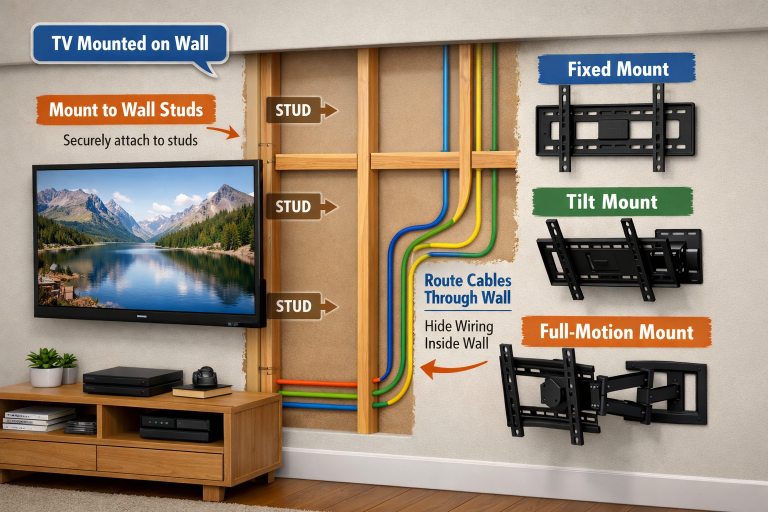
- Fixed Mounts: Keep the TV snug against the wall. Best for rooms with a consistent viewing position and minimal glare.
- Tilt Mounts: Allow the screen to tilt vertically. They work well if the TV must be placed higher, such as over a fireplace, or in situations where light glare is an issue.
- Full-Motion Mounts: Enable the screen to move outward, swivel, and tilt. These are ideal for flexible setups, rooms with multiple seating areas, or unconventional layouts.
Take stock of your room’s setup and your family’s habits to pick the best type. Consider whether you ever need to view from more than one area or if your seating is always positioned directly in front of the TV.
Consider Wall Material and Stud Placement
Safety and durability go hand in hand with proper mounting technique. The majority of home walls are drywall, but you might also encounter concrete, brick, or other materials. Drywall installations must be anchored to studs to support the weight; simply driving screws into the drywall will not provide stability. Reinforced walls, such as brick or masonry, require suitable anchors and a different installation approach. With any surface, use a stud finder to locate the center of a stud or the most solid area for mounting. According to Tom’s Guide, using the proper fasteners and attachment points is the key to a safe setup.
Determine Optimal Viewing Height
Mounting a TV at the ideal height ensures comfort and reduces neck strain. The general recommendation is that the center of the television should align with the average seated eye level (around 42 to 48 inches from the floor in most cases). If mounting higher is required, perhaps due to room configuration or furniture, select a tilting mount to angle the TV downward toward viewers. The correct height not only improves comfort but also minimizes glare and creates a more immersive watching experience.
Plan for Cable Management,
Visible cables can instantly detract from the polished appearance of a recently mounted television. Early in your planning process, think about how your power cords, HDMI cables, and other connectors will reach your devices and power outlets. You can run wires through the wall using in-wall rated cables and wall plates, or choose surface-mounted cable raceways for a less invasive option. Good cable management keeps things neat, reduces tripping hazards, and helps your overall room design look intentional and organized.
Avoid Common Mounting Mistakes
Common errors during installation include mounting the TV too high, using the wrong fasteners, choosing the wrong wall type, or failing to check the wall’s structural integrity. Even apparently minor mistakes can result in poor viewing angles, instability, or even damage to your television and property. Outlines the risks of skipping important installation steps, such as properly securing the mount and double-checking the wall’s strength before drilling. Avoid rushing the job and always follow both the mount and TV manufacturer’s directions closely.
Seek Professional Assistance if Needed
Not every homeowner will feel comfortable handling power tools or drilling into walls. If you have any doubts about the process, hiring a professional installer can ensure both safety and precision. Professional help is particularly important in unique situations, such as mounting on brick or masonry, or when dealing with very large or expensive televisions. An expert installation can save you time and eliminate the worry of damaging your electronics or your home. Choosing and installing a TV mount takes more than picking any product off the shelf. Thorough planning and attention to detail, including specifications, wall condition, and positioning, will ensure your newly mounted TV adds both enjoyment and value to your space. Follow these tips to achieve a setup that looks great, remains safe for years to come, and enhances every moment of your TV watching experience.
Conclusion
Mounting your TV is one of the simplest ways to improve both the look and functionality of your living space, but it requires careful planning to get it right. From understanding your TV’s specifications and choosing the correct mount type to considering wall structure and viewing height, each step plays a vital role in ensuring a secure and comfortable setup. Proper cable management and avoiding common installation mistakes further enhance the final result, creating a clean, organized, and visually appealing entertainment area. While many installations can be completed as a DIY project, seeking professional assistance is always a smart option when safety or complexity becomes a concern. By taking the time to plan and execute your TV mounting correctly, you can enjoy a stable, stylish, and optimized viewing experience that enhances your home for years to come.