
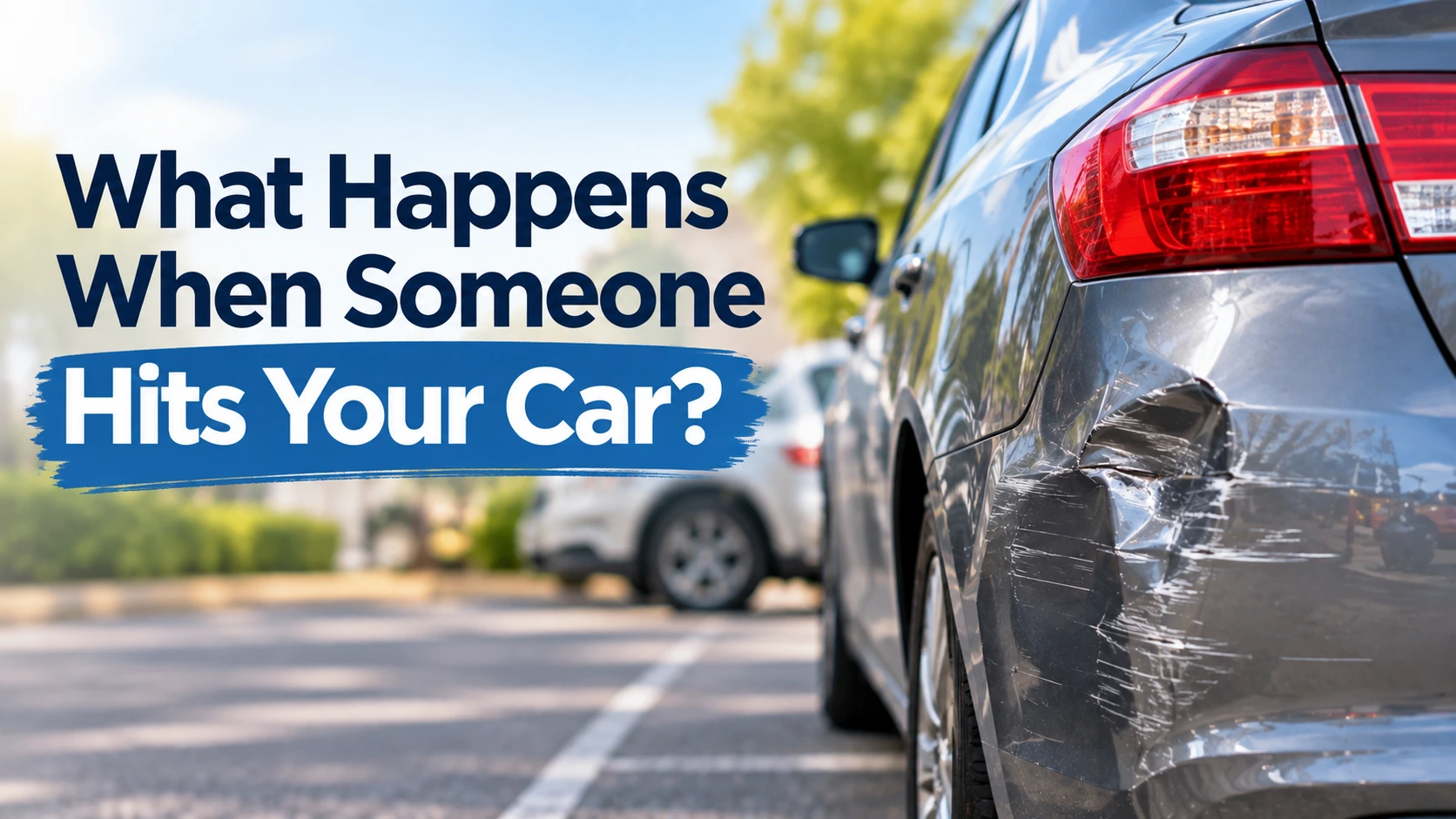
Finding out that someone has hit your car can be frustrating, especially when your vehicle was parked and you were not there when the damage occurred. A dented bumper, scratched paint, broken light, or other damage can leave you wondering what happened, who is responsible, and who will pay for the repairs.
Believe it or not, one of the most common situations in which a vehicle can be damaged is while it is parked. Even when you are not inside the vehicle, damage caused by another driver can still be treated as a motor vehicle accident, and there are important steps you should take to document what happened.
It is upsetting to discover that someone has damaged your property, but try to treat the situation like any other accident. Take photographs, preserve evidence, look for witnesses or security-camera footage, and notify the appropriate authorities and your insurance company.
Steps to Take When Someone Hits Your Car
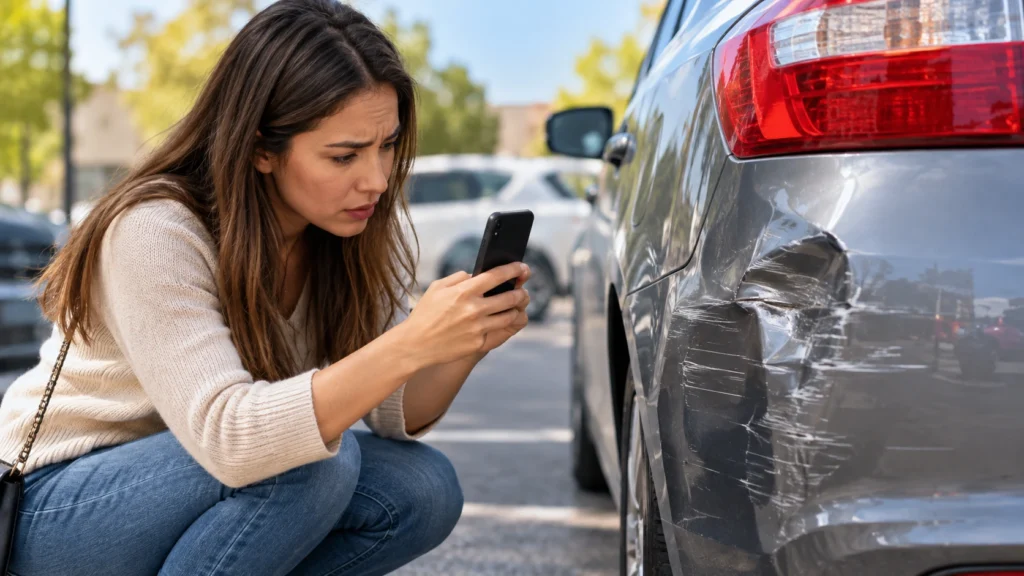
If you discover that someone has hit your parked car, start by documenting the scene. If it is safe to do so, avoid moving the vehicle until you have photographed the damage and surrounding area. Take clear pictures from several angles, including close-ups of scratches, dents, broken parts, paint transfer, and any debris that may have been left behind.
You should also note where the vehicle was parked, the approximate time you believe the damage occurred, and anything unusual about the scene. If there are witnesses nearby, ask whether they saw the incident and whether they are willing to provide their contact information.
In some cases, the driver may have left a note containing their name, contact information, and vehicle details. That is the appropriate thing to do after damaging an unattended vehicle. Florida law requires a driver who damages an unattended vehicle or other property to stop and either notify the owner or leave written identifying information. The driver must also notify the appropriate police authority without unnecessary delay.
If the driver left without providing this information, you may be dealing with a hit-and-run situation. The consequences can depend on the circumstances and the applicable Florida law.
The next step is to contact the police and file a report when appropriate. Florida law requires certain crashes involving at least $500 in apparent property damage to be reported to the appropriate law enforcement agency. Because vehicle repairs can become expensive quickly, it is generally sensible to report the incident rather than assume the damage is too minor to matter.
You should also contact your insurance company as soon as reasonably possible. Your insurer can explain which coverage may apply, what documentation is required, and whether you have a deductible. Promptly reporting an accident can also help avoid problems caused by missing your policy’s notification requirements.
What Evidence Should You Collect?
The more information you can preserve after discovering the damage, the easier it may be to investigate what happened. Useful evidence can include photographs of your vehicle, photographs of the parking area, pieces of broken vehicle parts, paint transfer, witness statements, the police report, and surveillance footage.
Look around the location where your car was parked for businesses, apartment buildings, parking facilities, or other properties that may have security cameras. Ask whether their cameras recorded the area during the time the damage may have occurred. Security footage can sometimes provide a vehicle description, license plate number, or other information that helps identify the driver.
Who Will Pay for the Damages to Your Car?
Who pays for your vehicle repairs depends on several factors, including whether the other driver can be identified, who was legally responsible for the accident, and what insurance coverage is available.
Florida is a no-fault state for certain injury-related claims, but that does not mean your own insurance automatically pays for every type of vehicle damage. Florida requires drivers to carry certain minimum insurance coverage, including personal injury protection and property damage liability coverage.
Property damage liability coverage is generally intended to pay for damage a legally liable driver causes to another person’s property. If the driver who hit your vehicle is identified and is legally responsible for the damage, you may be able to seek payment through that driver’s property damage liability insurance.
However, if the driver cannot be identified or does not have sufficient insurance, your own insurance policy may become important. Collision coverage, for example, may help pay for damage to your vehicle after a collision, subject to the terms and deductible of your policy.
Uninsured motorist coverage may also be relevant in some hit-and-run situations, particularly when injuries are involved. The exact coverage available for vehicle damage depends on your policy and the circumstances of the accident, so it is important to ask your insurer which coverage applies.
Because insurance policies differ, check your policy documents before assuming that a particular type of damage is covered.
What If the Driver Who Hit Your Car Left the Scene?
A hit-and-run can make an already stressful situation more difficult because you may not know who caused the damage or which insurance company to contact.
If the other driver left without providing the required information, file a police report as soon as possible. Give law enforcement as much information as you have, including the location, approximate time, direction the vehicle traveled, vehicle description, license plate information, witness details, and photographs of the damage.
You can also check with local businesses where you were parked to see whether they have security cameras. These recordings may contain footage of the accident and could help reveal who hit your car.
Keep in mind that businesses may not keep surveillance recordings indefinitely. If you believe a camera captured the incident, contact the business promptly and ask whether the footage can be preserved for law enforcement or your insurance claim.
What Are the Penalties for Leaving After Hitting a Parked Car in Florida?
Florida law requires a driver who damages an unattended vehicle or other property to stop and provide identifying information or leave a written notice with the required information. The driver must also notify the appropriate police authority without unnecessary delay.
Failing to comply with these requirements can result in criminal penalties. The specific consequences depend on the circumstances and the applicable law, so anyone involved in a hit-and-run should consider obtaining advice about their particular situation.
Should You Contact a Car Accident Lawyer?
Not every minor parking-lot accident requires an attorney. However, speaking with a lawyer may be useful if the damage is substantial, the driver cannot be identified, an insurance company disputes your claim, liability is unclear, or you suffered an injury in the accident.
A car accident lawyer in Fort Walton Beach can help you understand your options after a hit-and-run and explain what evidence may be useful. They may also be able to help you understand the insurance claims process and determine whether additional legal action is appropriate.
If you believe another driver was responsible, you can also speak with an experienced car accident lawyer about your situation. Depending on the circumstances, an attorney may help you pursue available evidence, communicate with insurers, and understand your legal options.
For injury-related situations, timely action can also matter. If you have been injured in an accident, learning about your legal rights and the applicable deadlines can help you avoid unnecessary delays. You can read more about why timely action matters in car injury cases.
What Should You Do After Someone Hits Your Parked Car?
Discovering damage to your parked car is never pleasant, but taking the right steps can make the situation easier to handle. Photograph the damage, preserve evidence, look for witnesses and surveillance footage, file a police report when appropriate, and notify your insurance company promptly.
If the other driver left the scene, do not assume that you have no options. A police report, nearby security footage, witness information, and your insurance policy may all help determine how the damage can be handled.
If the accident involves significant damage, disputed liability, an unidentified driver, or personal injuries, consider speaking with an experienced attorney who can review the specific facts of your situation.
This article provides general information and is not a substitute for legal or insurance advice. Florida laws and individual insurance policies can change, and the appropriate course of action depends on the circumstances of each accident.