


Guinea pigs are adorable and popular pets that require a balanced diet to maintain their health and wellbeing. As herbivores, guinea pigs primarily feed on hay, fresh vegetables, and fruits. However, pet owners may wonder if frozen vegetables are a suitable addition to their guinea pigs’ diet.
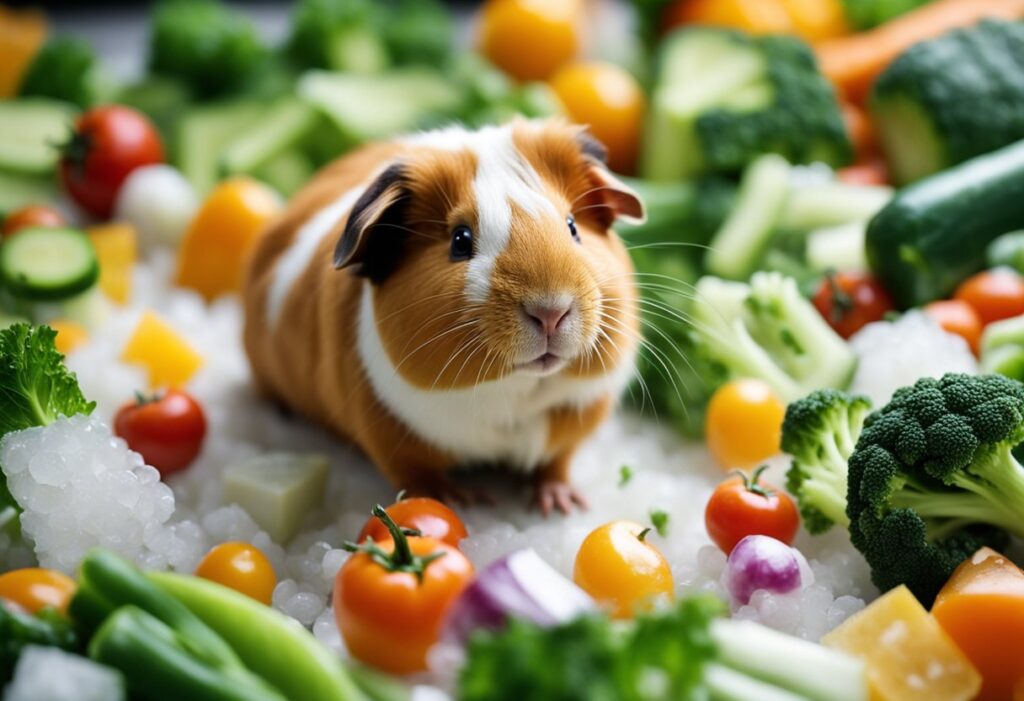
Frozen vegetables can be a convenient and cost-effective option, but it’s important to ensure that they are safe for guinea pigs to consume. While some frozen vegetables may be safe, others may contain harmful additives or be nutritionally deficient. In this article, we will explore whether guinea pigs can eat frozen vegetables and provide guidance on how to safely incorporate them into their diet.
Guinea Pigs and Their Diet

As guinea pig owners, we know that feeding our furry friends a healthy and balanced diet is essential for their overall well-being. A guinea pig’s diet should consist of hay, fresh vegetables, and pellets. However, when it comes to vegetables, we may wonder if frozen vegetables are a safe option for our pets.
While frozen vegetables may seem like a convenient option, we must be cautious when feeding them to our guinea pigs. Some frozen vegetables may contain added salt or preservatives, which can be harmful to our pets. Additionally, frozen vegetables may lose some of their nutritional value during the freezing process.
It is best to stick to fresh vegetables when feeding our guinea pigs. Fresh vegetables provide essential vitamins and nutrients that are necessary for our pets’ health. Some safe vegetables to feed our guinea pigs include bell peppers, carrots, cucumbers, and leafy greens.
In conclusion, while frozen vegetables may seem like a convenient option, it is best to stick to fresh vegetables when feeding our guinea pigs. By providing our pets with a balanced diet of hay, fresh vegetables, and pellets, we can ensure their overall well-being.
Understanding Frozen Veg
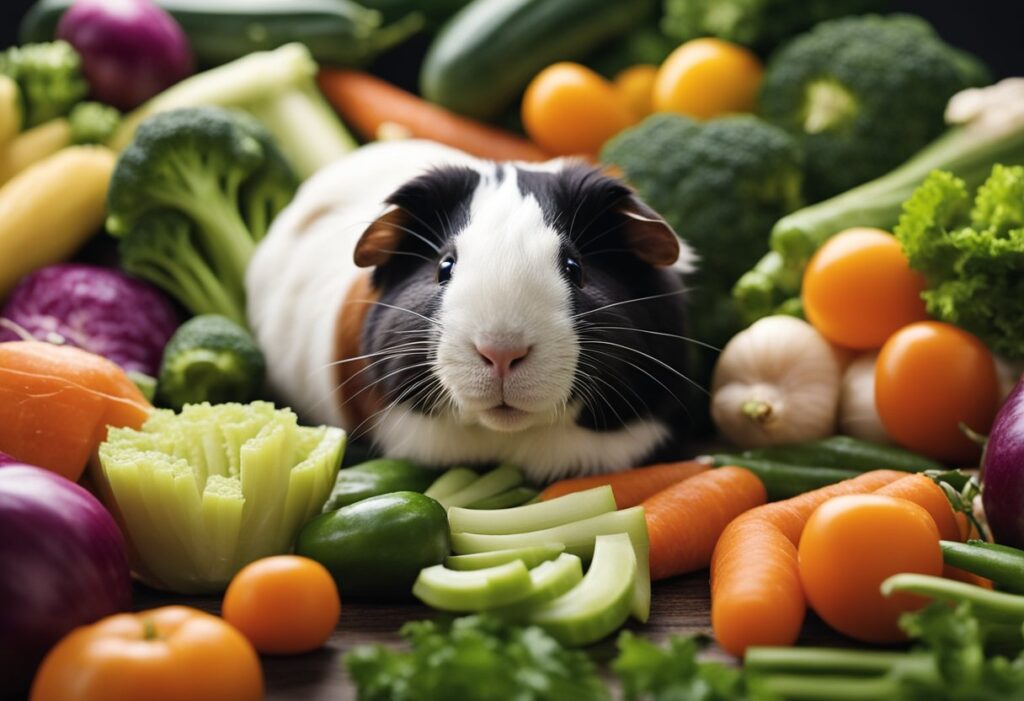
Frozen vegetables are a convenient and cost-effective option for many households. They are harvested at their peak ripeness and then quickly frozen to preserve their nutrients and flavor. However, when it comes to feeding frozen vegetables to guinea pigs, there are a few things to keep in mind.
Firstly, it is important to check the ingredients list of the frozen vegetables to ensure that they do not contain any harmful additives or preservatives. Some frozen vegetables may contain added salt or sugar, which is not suitable for guinea pigs.
Secondly, it is essential to thaw the frozen vegetables before feeding them to your guinea pig. Feeding frozen vegetables directly to your guinea pig can cause digestive problems and even lead to choking.
Lastly, it is important to note that frozen vegetables may not be as nutritionally dense as fresh vegetables. The freezing process can cause some loss of nutrients, such as vitamin C. Therefore, it is recommended to offer a variety of fresh vegetables to your guinea pig in addition to frozen vegetables.
Overall, frozen vegetables can be a healthy and convenient addition to your guinea pig’s diet when fed in moderation and with proper preparation.
Pros of Feeding Frozen Veg to Guinea Pigs
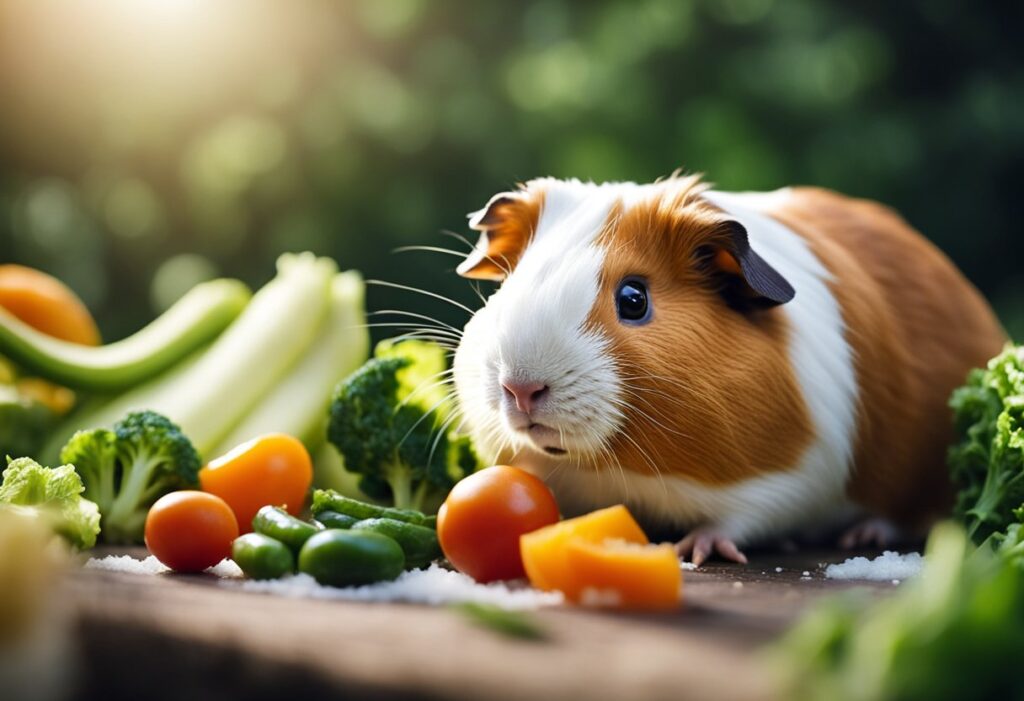
Frozen vegetables are a convenient and cost-effective option for feeding guinea pigs. Here are some of the benefits of incorporating frozen veggies into your guinea pig’s diet:
- Nutrient Retention: Frozen vegetables are picked at peak ripeness and then immediately frozen, which helps to retain their nutrient content. This means that your guinea pig can still benefit from the vitamins and minerals found in fresh vegetables, even if they are frozen.
- Long Shelf Life: Frozen vegetables have a longer shelf life than fresh vegetables, which means that you can buy them in bulk and store them in your freezer for later use. This can be a great way to save money on your guinea pig’s food budget.
- Variety: Frozen vegetables come in a wide variety of options, which can help to add some variety to your guinea pig’s diet. This can be especially helpful if your guinea pig is a picky eater or if you are having trouble finding fresh vegetables that your guinea pig enjoys.
- Convenience: Frozen vegetables are easy to prepare and can be quickly thawed by running them under warm water. This makes them a convenient option for busy guinea pig owners who may not have the time to prepare fresh vegetables every day.
Overall, feeding frozen vegetables to your guinea pig can be a great way to provide them with a nutritious and varied diet. Just be sure to choose high-quality frozen vegetables and to avoid any that have added salt or seasoning.
Cons of Feeding Frozen Veg to Guinea Pigs
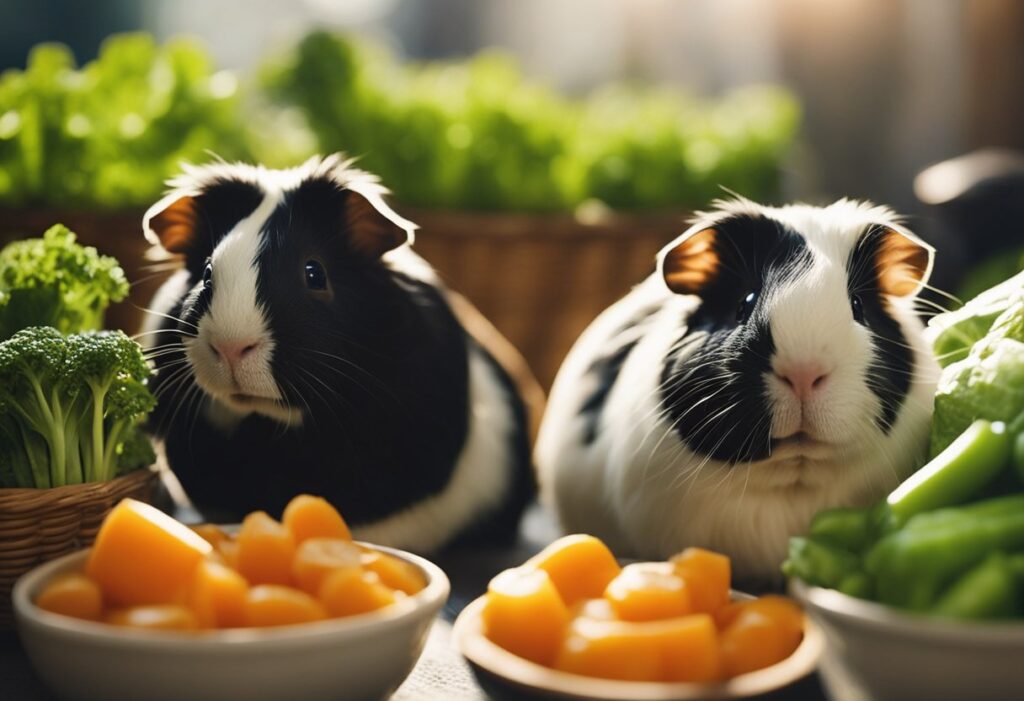
While frozen vegetables may seem like a convenient option for feeding guinea pigs, there are some potential downsides to consider.
Firstly, frozen vegetables may lose some of their nutritional value during the freezing and thawing process. This means that guinea pigs may not be getting all the essential vitamins and minerals they need from their diet.
Additionally, some frozen vegetables may contain added salt or preservatives, which can be harmful to guinea pigs. It’s important to read the ingredient list carefully and avoid any products that contain these additives.
Finally, frozen vegetables may have a different texture than fresh vegetables, which can make them less appealing to guinea pigs. This could lead to a decrease in appetite and potentially even malnutrition if the guinea pig refuses to eat enough food.
Overall, while frozen vegetables may be a convenient option, it’s important to weigh the potential downsides before making them a regular part of a guinea pig’s diet. Fresh vegetables are generally a safer and more nutritious option.
Safe Frozen Veg for Guinea Pigs
As responsible pet owners, we always want to ensure that our guinea pigs are getting the best nutrition. One question that often comes up is whether or not it’s safe to feed them frozen vegetables. The good news is that many frozen vegetables are safe for guinea pigs to eat, as long as they are prepared properly.
Peas
Peas are a great source of vitamins and minerals for guinea pigs. When feeding frozen peas, it’s important to make sure that they are fully thawed and at room temperature before giving them to your pet. You can also mix them in with other vegetables to add some variety to their diet.
Carrots
Carrots are another vegetable that guinea pigs can enjoy in moderation. Frozen carrots should be thawed and cut into small pieces before feeding them to your pet. Carrots are high in sugar, so they should be given sparingly to avoid any digestive issues.
Green Beans
Green beans are a good source of fiber and vitamin C for guinea pigs. Frozen green beans should be fully thawed and cut into small pieces before feeding them to your pet. They can be mixed in with other vegetables or given as a standalone treat.
Overall, frozen vegetables can be a convenient and nutritious addition to your guinea pig’s diet. However, it’s important to always check that the vegetables are safe for them to eat and to prepare them properly before feeding them to your pet. By following these guidelines, you can help ensure that your guinea pig stays healthy and happy.
Unsafe Frozen Veg for Guinea Pigs
When it comes to feeding our guinea pigs, we want to make sure that we are providing them with the best nutrition possible. While frozen vegetables can be a convenient and cost-effective option, not all frozen vegetables are safe for guinea pigs to eat. In this section, we will discuss some of the unsafe frozen vegetables for guinea pigs.
Onions
Onions are a common ingredient in many dishes, but they are not safe for guinea pigs to eat. Onions contain compounds that can cause damage to a guinea pig’s red blood cells, leading to anemia. This can be particularly dangerous for young or sick guinea pigs, as well as pregnant or nursing guinea pigs.
Garlic
Like onions, garlic contains compounds that can damage a guinea pig’s red blood cells. While small amounts of garlic may not cause harm, it is best to avoid feeding garlic to guinea pigs altogether.
Potatoes
Potatoes are another vegetable that should be avoided when feeding guinea pigs. Raw potatoes contain solanine, a toxic compound that can cause digestive upset, vomiting, and diarrhea in guinea pigs. Cooked potatoes may be safe in small amounts, but it is better to stick to other vegetables that are known to be safe for guinea pigs.
It is important to remember that while some vegetables may be safe for humans to eat, they may not be safe for guinea pigs. Always do your research before introducing a new food to your guinea pig’s diet, and consult with a veterinarian if you have any concerns.
Preparation and Feeding Tips
When it comes to feeding frozen vegetables to guinea pigs, there are a few things to keep in mind. First, it’s important to properly thaw the vegetables before feeding them to your pet. This can be done by leaving them in the refrigerator overnight or by running them under warm water until they are thawed.
It’s also important to ensure that the frozen vegetables are of good quality and have been properly stored. Vegetables that have been freezer burned or have been stored for too long can lose their nutritional value and may not be as palatable to your guinea pig.
When feeding frozen vegetables to guinea pigs, it’s best to offer them in small quantities as part of a balanced diet that includes fresh vegetables, hay, and pellets. Too many frozen vegetables can lead to digestive upset and diarrhea.
Finally, it’s important to monitor your guinea pig’s behavior and health when introducing new foods. If you notice any signs of discomfort or illness, such as lethargy, loss of appetite, or diarrhea, it’s best to consult with a veterinarian.
Overall, frozen vegetables can be a nutritious and tasty addition to your guinea pig’s diet when prepared and fed properly.
Alternatives to Frozen Veg
When it comes to feeding our guinea pigs, we always want to make sure that we’re giving them the best possible diet. While frozen vegetables can be a convenient option, there are also some great alternatives that we can consider.
One option is fresh vegetables. These can be a great choice as they are packed with nutrients and are often more appealing to guinea pigs than frozen vegetables. Some great options include carrots, bell peppers, and leafy greens like kale and spinach.
Another option is to offer your guinea pigs some fresh fruits. These can be a great source of vitamins and minerals, and can be a tasty treat for your furry friends. Some good options include apples, bananas, and strawberries.
If you’re looking for a more convenient option, you can also consider using dehydrated vegetables. These can be a great option as they are easy to store and can be rehydrated quickly. Some good options include sweet potatoes, green beans, and carrots.
Finally, you may want to consider using a high-quality guinea pig pellet as a base for your guinea pig’s diet. These pellets are specially formulated to provide all of the nutrients that your guinea pig needs, and can be a great way to ensure that your guinea pig is getting a balanced diet.
Overall, while frozen vegetables can be a convenient option, there are also many other great alternatives that we can consider when feeding our guinea pigs. By offering a varied and balanced diet, we can help to ensure that our furry friends stay healthy and happy.
Conclusion
In conclusion, while frozen vegetables can be a convenient option for guinea pig owners, it is important to consider the potential risks and benefits. While some frozen vegetables may retain their nutritional value, others may lose important vitamins and minerals during the freezing process. Additionally, frozen vegetables may contain added preservatives or salt, which can be harmful to guinea pigs in large quantities.
Overall, we recommend that guinea pig owners stick to fresh vegetables as the primary source of nutrition for their pets. However, if frozen vegetables are used, it is important to carefully read the label and choose options that are free from preservatives and added salt. It is also important to ensure that frozen vegetables are thawed and cooked properly before feeding them to guinea pigs.
By taking these precautions, guinea pig owners can ensure that their pets receive a healthy and balanced diet that promotes optimal health and well-being.
Frequently Asked Questions
What vegetables can guinea pigs eat?
Guinea pigs can eat a variety of vegetables, including leafy greens like kale, spinach, and lettuce, as well as bell peppers, carrots, and cucumbers. It’s important to introduce new vegetables gradually to avoid digestive upset and to ensure a balanced diet.
Can guinea pigs eat frozen fruits?
While fresh fruits are a great addition to a guinea pig’s diet, frozen fruits may not be the best choice. Freezing fruits can alter their texture and nutrient content, and some frozen fruits may contain added sugars or preservatives. It’s best to stick to fresh fruits or to offer freeze-dried fruits as a treat.
Can guinea pigs eat thawed frozen peas?
Thawed frozen peas are generally safe for guinea pigs to eat in moderation. However, peas should not make up a large portion of a guinea pig’s diet, as they are high in carbohydrates and low in fiber. It’s important to offer a variety of vegetables to ensure a balanced diet.
Can guinea pigs eat cold vegetables?
Guinea pigs can eat cold vegetables, but it’s important to avoid feeding them vegetables straight from the refrigerator. Cold vegetables can cause digestive upset and discomfort for guinea pigs. Instead, allow vegetables to come to room temperature before offering them to your pet.
Can guinea pigs eat corn?
Corn is not a recommended food for guinea pigs. It is high in starch and low in fiber, which can lead to digestive problems. Additionally, corn may contain harmful mycotoxins that can be harmful to guinea pigs.
Can guinea pigs eat canned vegetables?
Canned vegetables are not recommended for guinea pigs. They often contain added salt or preservatives, which can be harmful to guinea pigs. Additionally, canned vegetables may be low in nutrients and fiber, which can lead to digestive problems. It’s best to stick to fresh or frozen vegetables for your guinea pig’s diet.