
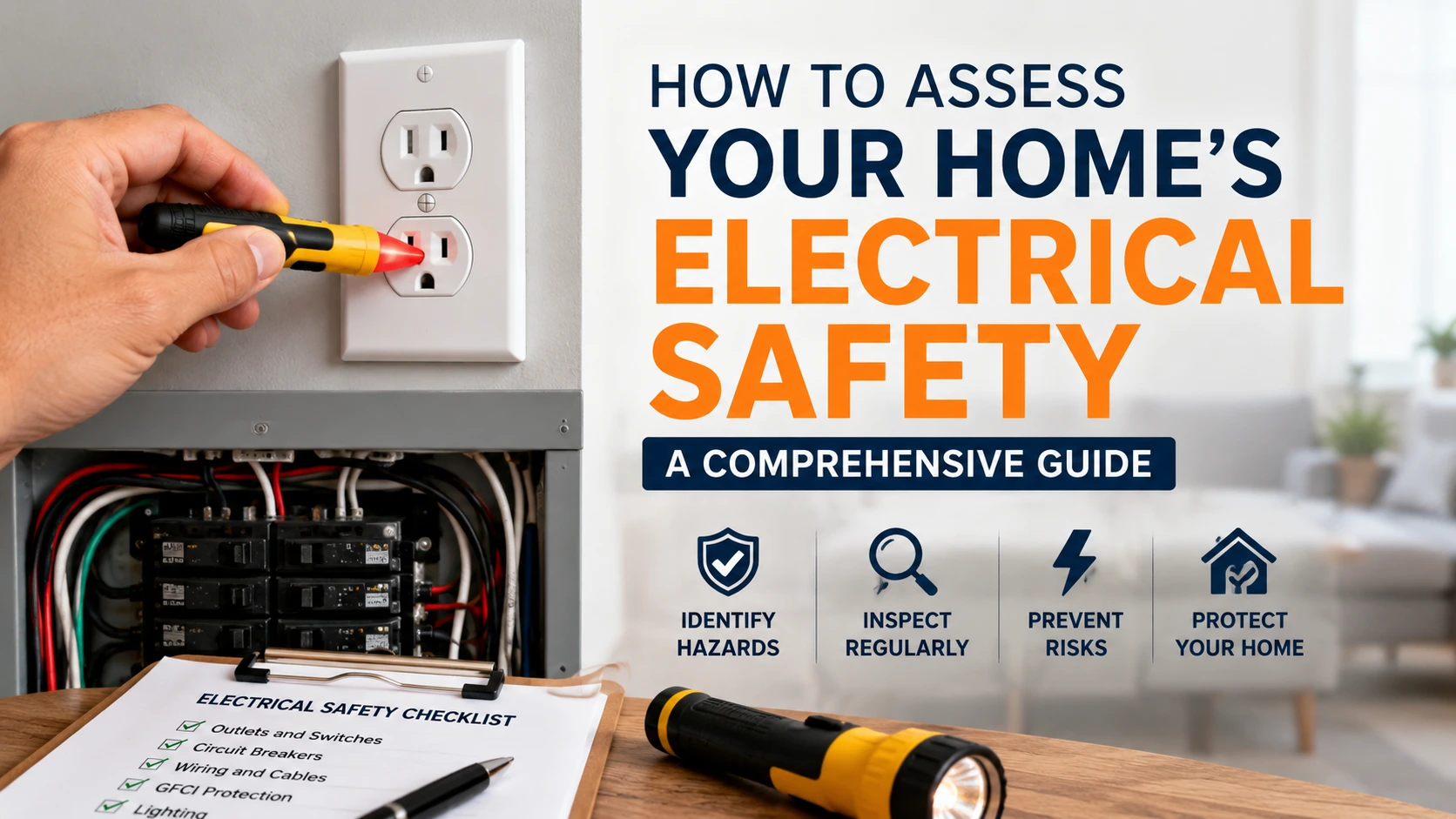
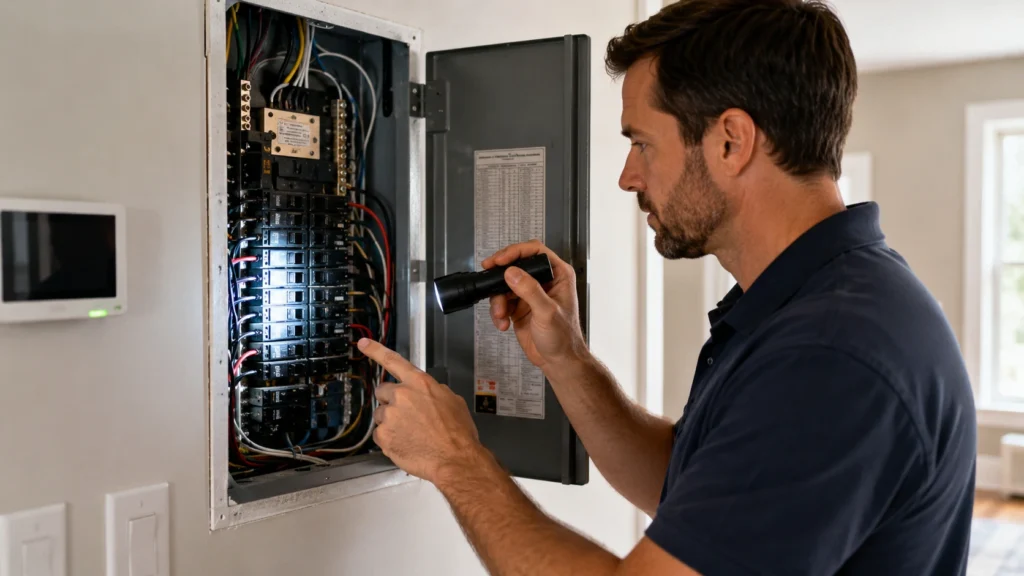
Ensuring the safety of your home’s electrical system is crucial for protecting your family and property. Electrical issues can be a leading cause of house fires, yet many homeowners unknowingly overlook potential hazards hiding behind their walls. Before accidents happen, it is wise to understand how to assess your home’s safety and what actions to take. Whether you rent or own, being proactive now will save money and risk later. For residents looking for tailored solutions, a professional residential electrical repair service Kansas City can help identify and resolve trouble spots fast.
Many seemingly minor issues, such as flickering lights or the occasional blown fuse, can signal much bigger problems. Regular inspections and upgrades are essential to keep up with modern appliances, ensuring your electrical system can power your lifestyle without posing a hazard. Resources from the National Fire Protection Association reveal that thousands of house fires each year could be prevented with timely maintenance and attention to warning signs.
It is just as important to know which upgrades are worth the investment, such as swapping out outdated wiring or adding additional safety devices. Along with routine care and awareness, consulting a qualified professional at the right time ensures work meets current codes and keeps your family safe for years to come.
By staying educated and proactive, you not only reduce your risk but also increase your home’s value and reliability. Taking even a few steps now acts as the first line of defense against costly emergencies, property loss, or worse.
Common Signs of Electrical Problems
Early detection of electrical hazards can save lives. Watch for these major warning signs:
- Flickering or dimming lights: This indicates overloaded circuits or deteriorating wiring, which can escalate quickly.
- Frequent circuit breaker trips: If breakers regularly trip, your system may be experiencing overloads or short circuits.
- Warm or discolored outlets: Overheating or burn marks around outlets should never be ignored, as they signal dangerous heat buildup.
- Burning smells: Unexplained odors coming from outlets or switches may indicate that wiring or insulation is burning, requiring urgent attention.
Ignoring these clues increases your risk for electrical fires and property damage. According to the National Fire Protection Association, electrical malfunction was involved in an average of 32,000 home fires annually in the U.S., many of which are preventable with early intervention.
Importance of Regular Electrical Inspections
Routine inspections by a licensed electrician are the foundation of home electrical safety. These checks can spot hidden hazards before they become expensive or deadly. Inspections ensure your system is compliant with evolving local codes and can power modern appliances safely. Regular checks are even more important if your home is over 40 years old or has undergone recent remodeling.
The Electrical Safety Foundation International strongly recommends professional inspections every few years, as well as after storms, earthquakes, or flooding. These inspections are the only way to uncover some defects and material fatigue that homeowners may never notice on their own.
Upgrading Outdated Wiring
Many older homes, particularly those built before the 1970s, still have wiring systems that are not designed to safely carry modern electrical loads. Outdated wiring increases the risk of electrical fires and shocks. Warning signs of old wiring in need of upgrade include:
- Persistent blown fuses or tripped breakers
- Outlets that are warm, discolored, or have a burning smell
- Two-prong, ungrounded outlets lacking a path for excess current
Replacing outdated wiring is an investment that can protect your family, improve energy efficiency, and even boost your property’s value. Homeowners considering a major remodel or adding new appliances should always consult a professional to determine if an electrical upgrade is also needed.
Proper Use of Extension Cords and Power Strips
Convenient as extension cords and power strips may be, misuse is a leading cause of home electrical fires. These are meant for short-term use, and not as permanent wiring solutions. To use them safely:
- Only use extension cords for temporary needs such as holiday decorations or portable tools.
- Never plug large appliances (like refrigerators or microwaves) into power strips. Major appliances need dedicated outlets.
- Visually inspect cords for cracks, exposed wires, or other signs of wear and replace damaged ones immediately.
If you find yourself dependent on extension cords in certain areas of your home, it’s a warning that more outlets are needed. Have a qualified electrician evaluate your electrical load and add outlets as needed to ensure safe, long-term power distribution.
Installing and Testing Safety Devices
Safety devices such as Ground Fault Circuit Interrupters (GFCIs) and Arc Fault Circuit Interrupters (AFCIs) offer crucial protection. GFCIs are required by modern building codes in areas where water and electricity can mix, like kitchens, bathrooms, and garages. AFCIs detect and prevent the arcing that causes many house fires in bedrooms or living areas.
Test all GFCIs monthly by pressing the “test” button, which should cut power to the outlet. Then reset it by pressing the “reset” button. Non-functioning safety devices should be replaced promptly. For a deeper dive into how GFCIs and AFCIs protect homes, refer to this guide from This Old House.
When to Call a Professional Electrician
Many minor issues, like replacing a light bulb or testing a GFCI, can be handled by homeowners, but there are situations where only a licensed professional can. Call a trusted electrician for:
- Electrical problems that persist after basic troubleshooting
- Installation of heavy-duty appliances needing special circuits or wiring
- Home renovations or additions that involve altering the electrical system
Skilled electricians ensure all work is done safely and in compliance with code. With thousands of fires each year linked to faulty DIY work, leaving complex jobs to the experts is always the safer choice.
Staying vigilant and proactive about your home’s electrical system is a simple step with a big payoff. Regular inspections, proper use and maintenance of cords and devices, and timely upgrades will keep your home and loved ones safe for many years to come.