

Leopard geckos are fascinating creatures that make great pets. They are easy to care for and have a docile nature that makes them a popular choice among reptile enthusiasts. One question that often comes up when it comes to feeding leopard geckos is whether or not they can eat dead food.
The short answer is yes, leopard geckos can eat dead food. In fact, many leopard gecko owners prefer to feed their pets pre-killed prey items for a variety of reasons. Dead food is easier to store and handle than live food, and it eliminates the risk of the prey item injuring or harming the gecko during feeding. However, it is important to note that not all dead prey items are suitable for leopard geckos, and there are some important considerations to keep in mind when feeding them dead food.
Leopard Gecko Dietary Basics
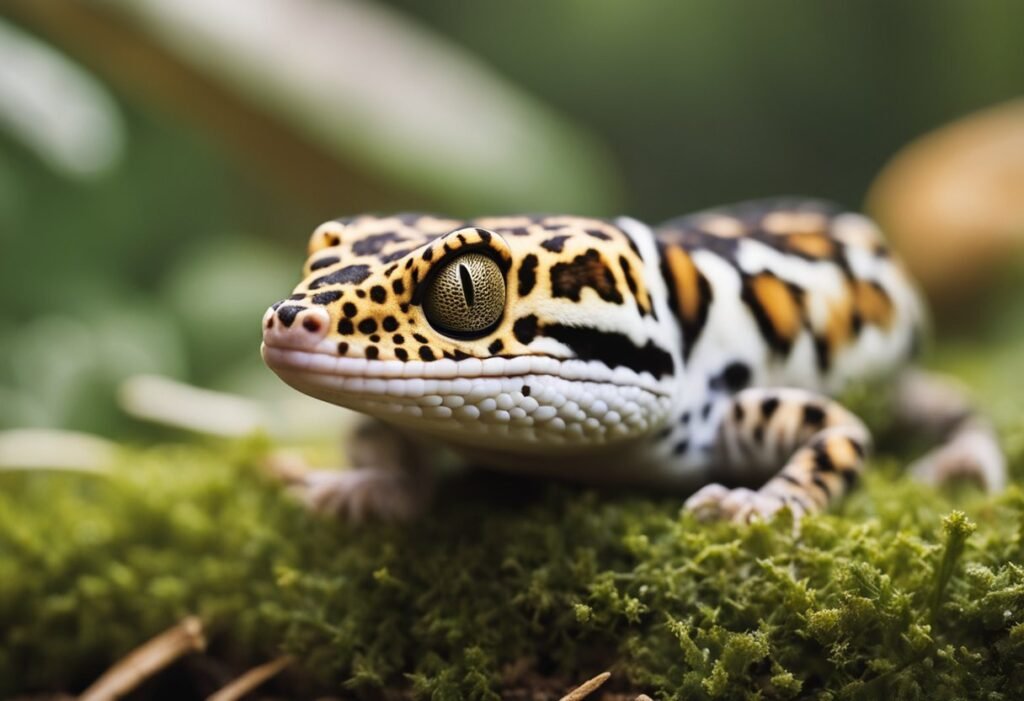
Leopard geckos are insectivores, which means they primarily eat insects. However, they can also eat other small animals, such as worms and small rodents. In this section, we will discuss the nutritional needs of leopard geckos and how often they should be fed.
Nutritional Needs
Leopard geckos require a diet that is high in protein and low in fat. They also need a variety of vitamins and minerals to stay healthy. Some common insects that are suitable for leopard geckos include crickets, mealworms, and dubia roaches. These insects can be dusted with calcium powder to ensure that the gecko is getting enough calcium.
In addition to insects, leopard geckos can also eat other small animals, such as pinky mice. However, it is important to note that these should only be given as an occasional treat and should not make up the majority of the gecko’s diet.
Feeding Frequency
Leopard geckos should be fed every 2-3 days. It is important not to overfeed them, as this can lead to obesity and other health problems. The amount of food that a gecko needs will depend on its size and age. Younger geckos will need to be fed more frequently than older geckos.
It is also important to provide fresh water for your leopard gecko at all times. Water should be changed daily and the water dish should be cleaned regularly to prevent the growth of bacteria.
Overall, providing a balanced and varied diet for your leopard gecko is essential for its health and well-being. By following these guidelines, you can ensure that your gecko is getting the nutrients it needs to thrive.
Understanding Dead Food

Dead food is a term used to describe pre-killed prey that is fed to reptiles and other animals. In the case of leopard geckos, dead food can be a convenient option for owners who don’t want to deal with live prey. However, it’s important to understand the benefits and drawbacks of feeding your leopard gecko dead food.
Types of Dead Food
There are several types of dead food that are commonly fed to leopard geckos. These include:
- Frozen/thawed rodents: These are mice or rats that have been killed, frozen, and then thawed before feeding.
- Freeze-dried insects: These are insects that have been dried and have had their moisture removed.
- Canned insects: These are insects that have been canned in a liquid or gel-like substance.
Each type of dead food has its own benefits and drawbacks, which we will discuss in the next section.
Benefits and Drawbacks
Feeding your leopard gecko dead food can have several benefits, including:
- Convenience: Dead food is easy to store and doesn’t require any special care.
- Safety: Live prey can sometimes injure or stress out your leopard gecko, while dead food is less likely to cause harm.
- Nutritional value: Dead food can be just as nutritious as live prey if it’s prepared and stored correctly.
However, there are also some drawbacks to feeding your leopard gecko dead food, such as:
- Lack of exercise: Hunting and catching live prey can provide exercise and mental stimulation for your leopard gecko.
- Lack of variety: Feeding your leopard gecko only dead food can limit the variety in their diet and potentially lead to nutritional deficiencies.
- Cost: Dead food can be more expensive than live prey, depending on the type and source.
Overall, feeding your leopard gecko dead food can be a convenient and safe option, but it’s important to consider the drawbacks and ensure that your gecko is getting a balanced and varied diet.
Preparation of Dead Food
When feeding our leopard geckos, it is important to ensure that the food we offer is safe and nutritious. Dead food, such as frozen mice or insects, can be a convenient and practical option for many reptile keepers. However, it is crucial to properly prepare and handle dead food to avoid any health risks for our pets.
Thawing Frozen Prey
If using frozen prey, it is important to thaw it properly before feeding it to our leopard geckos. Thawing should be done gradually, in a refrigerator or at room temperature. It is not recommended to use a microwave or hot water to defrost frozen prey, as this can cause uneven heating and potentially harmful bacteria growth.
Once thawed, the prey should be heated to an appropriate temperature before feeding. This can be done by placing it in warm water or using a heat lamp. It is important to ensure that the prey is not too hot or too cold, as extreme temperatures can cause digestive problems for our leopard geckos.
Ensuring Safety
When handling dead food, it is important to take proper precautions to ensure our own safety as well as the safety of our pets. We should always wash our hands before and after handling prey, and use gloves or tongs to avoid direct contact with the food.
It is also important to purchase dead food from reputable sources to ensure that it is safe and free from harmful bacteria or parasites. We should always check the expiration date and condition of the prey before feeding it to our leopard geckos.
By following these simple guidelines for preparing and handling dead food, we can ensure that our leopard geckos receive safe and nutritious meals.
Feeding Dead Food to Leopard Geckos
Leopard geckos are known for their love of live food, but can they eat dead food as well? The answer is yes, they can. In fact, feeding dead food to leopard geckos can be a convenient and cost-effective way to provide them with a balanced diet. However, there are some things to keep in mind when feeding dead food to your gecko.
Techniques for Feeding
When feeding dead food to your leopard gecko, it’s important to make sure that the food is fresh and has not been sitting out for too long. Dead insects can quickly become contaminated with bacteria and other harmful organisms, so it’s important to store them properly and discard any that appear to be spoiled.
One way to feed dead food to your gecko is to simply place it in their enclosure and let them find it on their own. This can be a good option for geckos that are used to hunting for their food. Another option is to use feeding tongs to offer the dead food directly to your gecko. This can be a good option for geckos that are hesitant to eat dead food.
Encouraging Acceptance
Some leopard geckos may be hesitant to eat dead food at first, especially if they are used to a diet of live insects. However, there are some things you can do to encourage them to accept dead food.
One option is to offer a variety of different dead insects to your gecko. Some geckos may prefer one type of insect over another, so offering a variety can help you determine what your gecko likes best. Another option is to coat the dead insects in a calcium or vitamin supplement powder to make them more appealing to your gecko.
Overall, feeding dead food to leopard geckos can be a convenient and cost-effective way to provide them with a balanced diet. By following these tips and techniques, you can help ensure that your gecko stays healthy and happy.
Health Considerations
When it comes to feeding leopard geckos, there are some important health considerations to keep in mind. In this section, we will discuss potential health risks associated with feeding dead food to leopard geckos, as well as how to monitor your gecko’s health.
Potential Health Risks
While leopard geckos can eat dead food, there are some potential health risks to consider. One of the main concerns is that dead food can harbor bacteria and parasites that can make your gecko sick. It’s important to make sure that any dead food you feed your gecko is fresh and free from any signs of spoilage or decay.
Another risk associated with feeding dead food is that it may not provide your gecko with all of the nutrients it needs. Live food, such as crickets and mealworms, are often more nutritious than dead food, as they are still alive and contain more vitamins and minerals. If you do choose to feed your gecko dead food, it’s important to make sure that you are supplementing their diet with the necessary vitamins and minerals.
Monitoring Your Gecko’s Health
Regardless of whether you feed your gecko live or dead food, it’s important to monitor their health on a regular basis. Some signs that your gecko may be experiencing health issues include:
- Loss of appetite
- Weight loss
- Lethargy
- Discoloration of the skin or eyes
- Abnormal behavior
If you notice any of these symptoms, it’s important to take your gecko to a veterinarian who specializes in reptile care. Regular check-ups with a reptile veterinarian can also help ensure that your gecko stays healthy and happy.
Alternatives to Dead Food
When it comes to feeding leopard geckos, many people prefer to offer live prey. However, there are alternatives to dead food that can provide the necessary nutrients and variety to their diet. In this section, we will discuss two options for feeding leopard geckos that do not involve dead food.
Live Prey Options
Live prey is a great option for leopard geckos, as it provides them with exercise and mental stimulation. Some live prey options include crickets, mealworms, waxworms, and dubia roaches. It is important to ensure that the live prey is appropriately sized for your gecko and that it is gut-loaded before feeding. Gut-loading involves feeding the live prey a nutritious diet before offering it to your gecko, which can help ensure that your gecko receives the necessary nutrients.
Supplemental Foods
In addition to live prey, there are also supplemental foods that can be offered to leopard geckos. These foods can provide additional nutrients and variety to their diet. Some examples of supplemental foods include fruits, vegetables, and commercial gecko diets. It is important to research the nutritional needs of leopard geckos before offering any supplemental foods, as some fruits and vegetables can be harmful to them.
Overall, while dead food is a common option for feeding leopard geckos, there are alternatives available. Live prey and supplemental foods can provide the necessary nutrients and variety to keep your gecko healthy and happy.
Frequently Asked Questions
Is it safe for leopard geckos to eat pre-killed insects?
Yes, it is safe for leopard geckos to eat pre-killed insects. In fact, it is recommended to feed pre-killed insects to avoid injuries to your leopard gecko from live prey. However, it is important to ensure that the pre-killed insects are fresh and have not been exposed to any harmful chemicals or bacteria.
What alternative food options are available for leopard geckos?
Leopard geckos are primarily insectivores and require a diet high in protein. Some alternative food options for leopard geckos include mealworms, crickets, waxworms, and superworms. It is important to ensure that any food given to leopard geckos is appropriately sized for their age and size.
Are dried foods suitable for leopard gecko diets?
Dried foods such as freeze-dried crickets or mealworms are not recommended as a staple diet for leopard geckos. These types of foods lack the moisture content that leopard geckos require and can lead to dehydration and digestive issues. It is best to stick to live or pre-killed insects as the primary food source for leopard geckos.
Do leopard geckos require live prey for a healthy diet?
While live prey is not necessary for a healthy diet, it is recommended to provide live or pre-killed insects to ensure that leopard geckos are able to exhibit natural hunting behaviors. Additionally, live prey can provide additional enrichment and mental stimulation for leopard geckos.
Can leopard geckos consume any plant-based foods?
Leopard geckos are primarily insectivores and do not require plant-based foods in their diet. However, some safe options for occasional treats include mashed fruits such as bananas or baby food, and leafy greens such as kale or collard greens.
How can I feed my leopard gecko when live food is not available?
If live food is not available, pre-killed insects can be used as a substitute. It is important to ensure that the pre-killed insects are fresh and have not been exposed to any harmful chemicals or bacteria. Additionally, it is recommended to provide a variety of food options to ensure that leopard geckos are receiving a balanced diet.


