
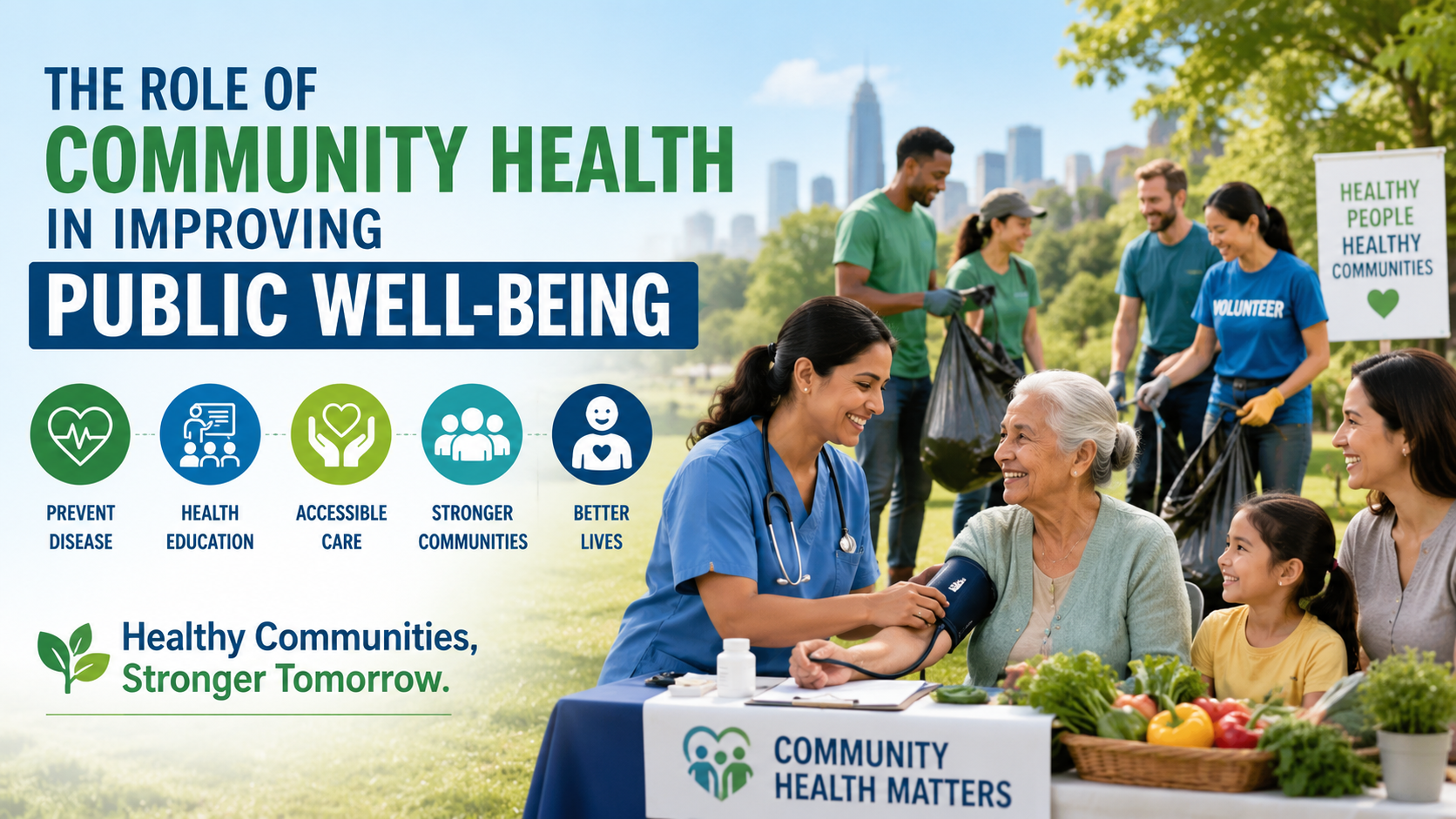

Community health continues to shape the way public well-being evolves across the country. Local health systems now reach deeper into neighborhoods, schools, and workplaces, creating access points that feel practical and familiar. Stronger outreach efforts, preventive programs, and coordinated services allow communities to respond to health challenges before they escalate.
Public well-being improves when care becomes proactive rather than reactive. Community health creates that shift by aligning local leadership, healthcare providers, and residents around shared goals that promote stability and long-term vitality.
Community Health as a Public Health Strategy
Community health functions as a structured extension of public health policy at the local level. National priorities set the direction, yet meaningful change happens within neighborhoods. Local health departments gather data, identify pressing concerns, and design targeted responses that reflect specific population needs. Clear planning ensures that resources match real conditions rather than assumptions.
Strategic partnerships strengthen these efforts. Schools, faith-based organizations, nonprofits, and local businesses often collaborate with health officials to expand outreach. Each partner contributes insight into the community’s daily realities. Coordinated planning avoids duplication of services and focuses attention where it matters most. A well-defined strategy gives community health programs the clarity and consistency needed to improve public well-being over time.
Workforce Development and the Role of Health Educators
Qualified professionals form the backbone of any effective community health system. Nurses, outreach coordinators, social workers, and public health specialists translate policy into direct action. Their presence within neighborhoods builds familiarity and credibility. Residents respond more openly when guidance comes from professionals who understand local culture and challenges.
Education plays a central role in that process. Information must be accurate, clear, and accessible. Health professionals often adapt messaging to meet literacy levels, language needs, and cultural preferences. A community health educator is responsible for designing outreach, educating residents on prevention, connecting families to services, and evaluating outcomes. These professionals also collaborate with healthcare providers and community leaders to develop programs that address local health priorities and improve access to care. Consistent evaluation allows programs to measure impact, refine strategies, and ensure resources continue to meet evolving community needs.
Preventive Care and Early Intervention
Preventive care stands at the center of community health efforts. Screenings, immunizations, and wellness checks help detect health concerns before complications arise. Early awareness reduces hospital admissions and lowers overall healthcare costs. Communities benefit when prevention becomes routine rather than occasional.
Local clinics and mobile health units increase accessibility. Residents who may delay hospital visits often feel more comfortable engaging with nearby community-based services. Schools and community centers also provide familiar environments for preventive programs. Early education about nutrition, exercise, and chronic disease management supports healthier decision-making at every age.
Addressing Social Determinants of Health
Health outcomes reflect everyday living conditions. Stable housing, reliable transportation, access to nutritious food, and educational opportunities influence overall well-being. Community health programs recognize that medical care alone cannot resolve these factors. Coordinated efforts address barriers that prevent residents from maintaining healthy routines.
Partnerships with housing agencies, food banks, and workforce development programs create broader support systems. Integrated services reduce fragmentation and make assistance easier to navigate. Residents benefit from streamlined referrals that connect them directly to essential resources.
Community Engagement and Trust Building
Community participation drives sustainable health improvement. Residents are more likely to engage with programs that reflect their concerns and priorities. Listening sessions, advisory boards, and public forums provide structured opportunities for dialogue. Open communication ensures that initiatives respond to actual needs rather than external assumptions.
Trust grows through transparency and consistency. Clear explanations of services, eligibility, and outcomes foster confidence. Health professionals who maintain visible and ongoing relationships within neighborhoods strengthen that trust over time. Active engagement also encourages shared responsibility. Community members become advocates for preventive care and healthy practices within their own networks. Word-of-mouth support often increases participation more effectively than formal campaigns.
Mental Health and Community-Based Support Systems
Mental health remains essential to overall public well-being. Communities face rising levels of stress, anxiety, substance use, and social isolation. Local health initiatives respond by expanding access to counseling services, peer support groups, and crisis response programs. Accessible care reduces the likelihood that mental health challenges will escalate into emergencies.
Community-based support systems create safe and familiar spaces for individuals seeking help. Schools often partner with mental health professionals to provide early counseling for students. Faith organizations and nonprofit centers host support groups that encourage open discussion without stigma. Primary care clinics increasingly integrate behavioral health services into routine visits, allowing individuals to receive comprehensive care in one setting.
Technology and Data in Community Health Planning
Reliable data guides effective community health planning. Health departments conduct assessments to identify patterns in chronic illness, maternal health, injury rates, and other pressing concerns. Careful analysis ensures that programs reflect actual needs rather than assumptions. Data-driven decisions improve efficiency and increase accountability.
Digital tools also expand communication and access. Online appointment systems simplify scheduling. Telehealth services connect patients with providers who may not be physically present in their area. Mobile health applications encourage medication adherence and track preventive care reminders. These tools make health management more consistent and convenient.
Policy Support and Sustainable Funding
Strong policy frameworks provide stability for community health initiatives. Federal and state guidelines establish standards for disease prevention, maternal health, environmental safety, and emergency preparedness. Local leaders translate those standards into practical action plans tailored to their populations.
Consistent funding ensures that programs remain operational beyond short-term grant cycles. Government appropriations, nonprofit partnerships, and private sector contributions create diversified financial support. Transparent reporting builds confidence among stakeholders and demonstrates measurable impact.
Community health improves public well-being through coordinated prevention, education, engagement, and sustained policy support. Local action translates broad public health goals into practical solutions that address everyday realities. Skilled professionals, reliable data, and trusted partnerships create systems that respond to both immediate concerns and long-term challenges.
Public well-being thrives when communities receive consistent access to preventive care, mental health resources, and social support services. Strong engagement fosters shared responsibility and collective progress. Sustainable funding and thoughtful policy alignment ensure that improvements endure. Healthy communities form the foundation of a strong society. Continued investment in community health protects that foundation and supports a future defined by resilience, equity, and opportunity for all.