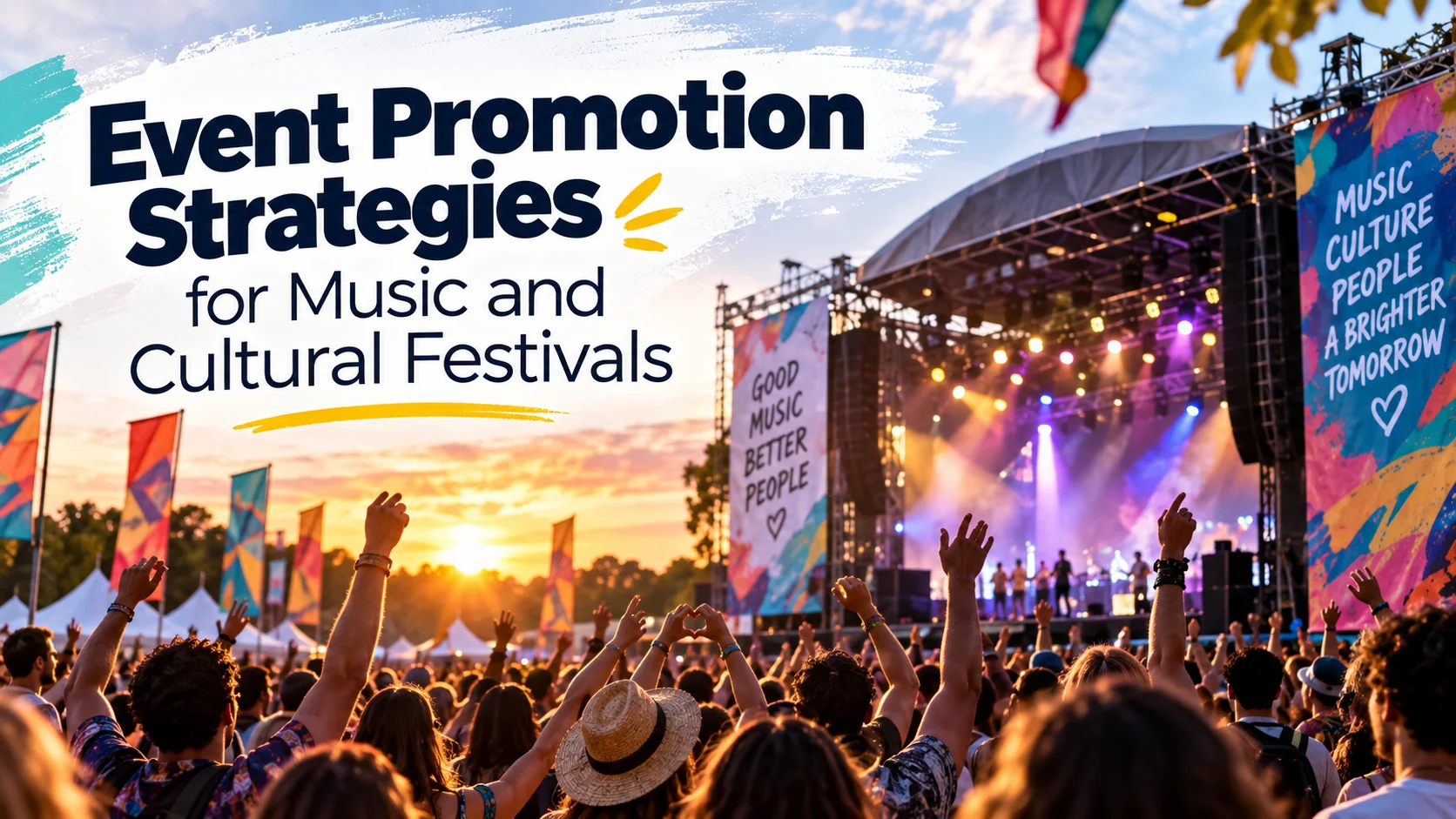
Every festival organizer knows that moment of panic. Lineup booked. Vendors confirmed. And somehow, nobody outside your own group chat has heard a word about it. It happens more than people admit out loud. Great music and a killer setup mean nothing if the seats stay empty and the food trucks sit there wondering why they even showed up. Promotion isn’t some side task you squeeze in after the real work is done. It’s the engine. Without it, nobody walks through the gate.
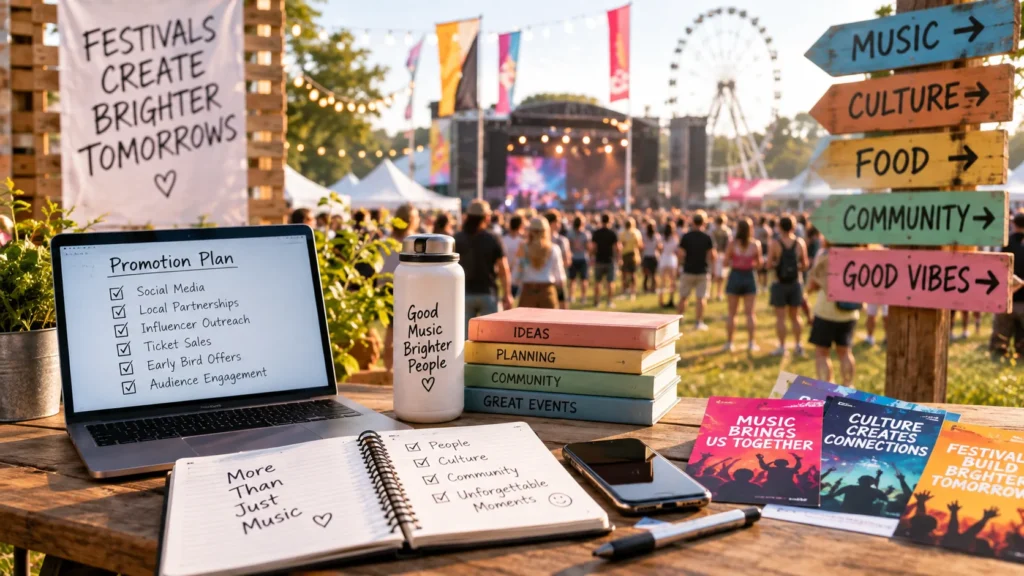
Timing is where most of this falls apart. Waiting until a month out is the classic mistake, and it puts pressure on every channel at once, all trying to do the job that should’ve been spread across months. So start early. Drip the details out slowly, an artist name here, a food vendor announcement there, maybe a sneak peek of the merch a few weeks later. Curiosity builds better in small doses. Then, once your online ticket sales page goes live, don’t let all that buzz you built just fizzle out at checkout. A clunky, confusing purchase process can kill momentum faster than a surprise thunderstorm on day one.
Know Who You’re Actually Talking To
Not every festival draws the same crowd. Obviously. A folk festival in a small town has a completely different energy than an electronic music weekend downtown, and pretending otherwise wastes money fast. Figure out who you’re actually speaking to before a single ad dollar goes out the door. Got past attendees? Study them. What platforms do they live on? Which influencers do they trust? What kind of post actually makes them stop mid-scroll instead of swiping past? Try to talk to everyone, and you’ll end up talking to no one. That’s a lesson plenty of first-timers learn the hard, expensive way.
Local Partnerships Still Work
It’s tempting to dump the whole budget into digital ads and skip the neighborhood entirely. Don’t. Local partnerships still carry real weight, maybe more than people give them credit for. Team up with nearby restaurants, a local radio station, a community group that already has the trust of your crowd. Offer something small in return, early access, a shoutout, whatever fits. This kind of grassroots push often beats paid ads, and honestly, people trust their favorite local barista more than they trust a banner ad they’ve learned to ignore.
Let Your Past Attendees Do the Talking
Nothing sells a festival quite like footage from the last one. Crowd shots. Artist moments. Even the slightly messy, chaotic bits, because those show real energy, not a staged photo op. People want proof the weekend is worth their time, not another polished poster with a generic sunset slapped on it. Encourage attendees to tag the event themselves, then reshare the good ones when they show up. Suddenly your audience is doing half your marketing for you, and they don’t even realize it.
Give People a Reason to Act Now
Urgency works better than most organizers expect. Early bird pricing. Limited VIP passes. A countdown reminder that shows up right when someone’s about to close the tab. These push people from “I should probably go to that” toward actually clicking buy. People procrastinate, it’s just human nature, so give them a nudge before the deadline creeps up unnoticed. One reminder two weeks out, another two days out. That combination tends to do the trick.
Promotion for festivals is part art, part stubborn persistence, and a little bit of luck mixed in. Stack these strategies together. Stay consistent. Don’t spiral if one channel underperforms one year, because it happens to everyone eventually. The right mix looks different for every event. Figuring that out, honestly, is half the fun.