

Leopard geckos are a popular choice for reptile enthusiasts due to their docile nature and low maintenance requirements. One of the most common questions asked by new leopard gecko owners is whether they can feed their pet only mealworms. While mealworms are a popular staple food for leopard geckos, it is important to consider their nutritional needs to ensure their long-term health.
Leopard geckos are insectivores and require a balanced diet of protein, fat, and vitamins to thrive. While mealworms are a good source of protein, they are relatively low in fat and lack some essential nutrients that leopard geckos need. A diet consisting solely of mealworms can lead to nutritional deficiencies and health problems such as metabolic bone disease. Therefore, it is recommended to offer a variety of feeder insects and supplement their diet with calcium and vitamin D3 to ensure their nutritional needs are met.
Can Leopard Geckos Eat Only Mealworms
Leopard geckos are a popular pet reptile that require a balanced diet to maintain their health. One common question among leopard gecko owners is whether they can feed their geckos only mealworms.
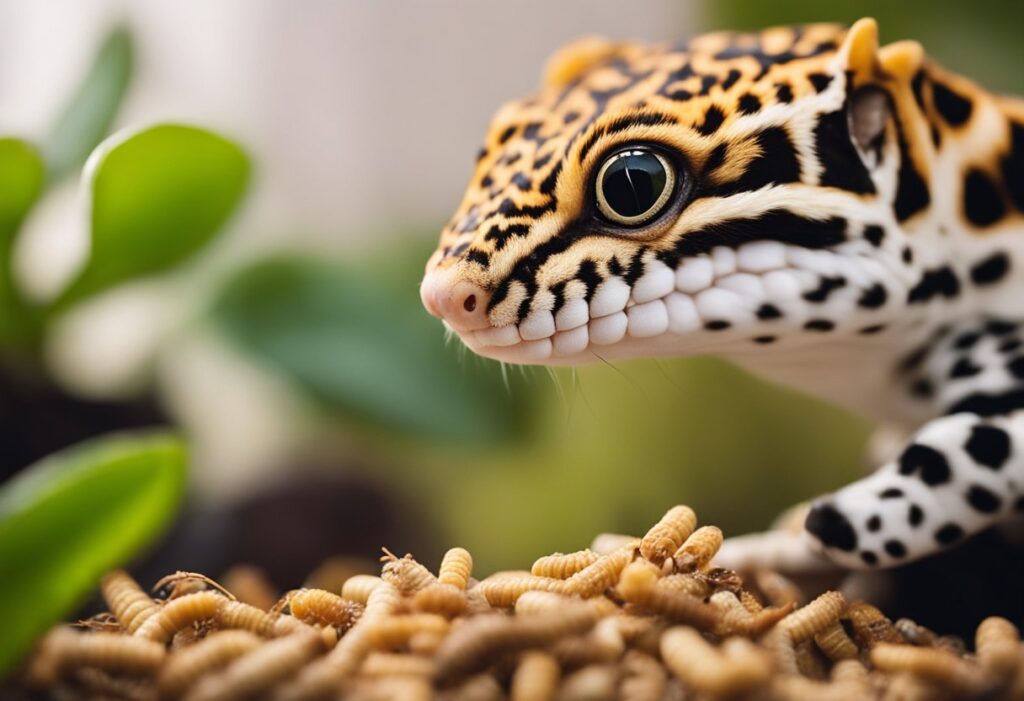
While mealworms are a good source of protein, they should not be the only food in a leopard gecko’s diet. Mealworms have a high ratio of phosphorus to calcium, which can lead to calcium deficiency and metabolic bone disease if fed in excess.
In addition, mealworms have a tough exoskeleton that can be difficult for leopard geckos to digest, especially if they are fed in large quantities. This can lead to impaction, a potentially fatal condition where the gecko’s digestive system becomes blocked.
It is important to provide a variety of insects in a leopard gecko’s diet to ensure they receive a balanced nutritional profile. Some suitable options include crickets, dubia roaches, and black soldier fly larvae. These insects have a more balanced calcium to phosphorus ratio and are easier to digest for leopard geckos.
In conclusion, while mealworms can be a part of a leopard gecko’s diet, they should not be the only food source. A varied diet of different insects is necessary to ensure a leopard gecko’s health and well-being.
Leopard Gecko Dietary Basics
Leopard geckos are insectivores, which means that they primarily eat insects. In the wild, they eat a variety of insects, including crickets, mealworms, waxworms, and other small insects. In captivity, their diet should be similar to their diet in the wild.
It is important to provide a varied diet for leopard geckos to ensure that they receive all the necessary nutrients. A diet consisting solely of mealworms may not provide all the nutrients that a leopard gecko needs. Mealworms are high in fat and low in calcium, which can lead to health problems such as obesity and metabolic bone disease.
A balanced diet for a leopard gecko should consist of a variety of insects, including crickets, mealworms, waxworms, and other small insects. It is also important to dust the insects with a calcium supplement to ensure that the gecko receives enough calcium in its diet.
In addition to insects, leopard geckos may also eat pinkie mice, but this should only be given as an occasional treat. It is important to note that leopard geckos should never be fed insects caught in the wild, as they may contain harmful pesticides or parasites.
Overall, a balanced and varied diet is essential for the health and well-being of leopard geckos. By providing a variety of insects and supplementing with calcium, owners can ensure that their geckos receive all the necessary nutrients in their diet.
The Role of Mealworms in a Leopard Gecko’s Diet
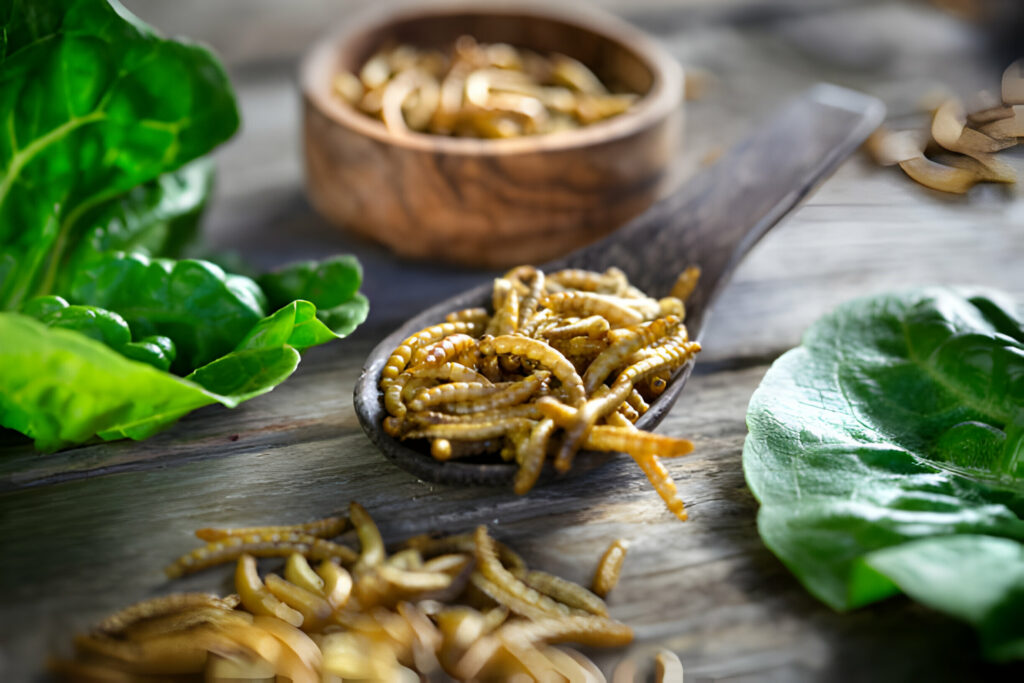
Leopard geckos are known for their unique dietary requirements, and mealworms are often a staple in their diet. Mealworms are easy to find, affordable, and readily available in most pet stores. They are also a good source of protein and other essential nutrients that leopard geckos need to thrive.
Nutritional Value of Mealworms
Mealworms are a good source of protein, which is essential for leopard geckos to maintain their health. They also contain fat, fiber, and other essential nutrients such as calcium and phosphorus. However, it is important to note that mealworms alone do not provide a complete and balanced diet for leopard geckos. They should be supplemented with other foods such as crickets, waxworms, and vegetables to ensure that the gecko is getting all the nutrients it needs.
Digestibility and Risks
Mealworms are easy to digest and are a good option for leopard geckos that have trouble eating other insects. However, it is important to feed mealworms in moderation as they can be high in fat. Overfeeding mealworms can lead to obesity and other health issues. Additionally, mealworms should be gut-loaded with nutritious food before feeding them to the gecko to ensure that they are getting the most nutritional value.
There is also a risk of impaction when feeding mealworms to leopard geckos. Impaction occurs when the gecko ingests substrate or other indigestible material along with the mealworms. To prevent impaction, it is important to feed mealworms on a clean surface and remove any uneaten worms after feeding.
Feeding Frequency and Portion Control
Leopard geckos should be fed mealworms in moderation. A good rule of thumb is to feed the gecko as many mealworms as it can eat in 15 minutes, two to three times a week. It is important to monitor the gecko’s weight and adjust the feeding schedule accordingly. Overfeeding mealworms can lead to obesity and other health issues.
In conclusion, mealworms are a good source of protein and other essential nutrients for leopard geckos. However, they should be fed in moderation and supplemented with other foods to ensure a complete and balanced diet. It is also important to take precautions to prevent impaction and monitor the gecko’s weight to prevent overfeeding.
Dangers of a Mealworm-Only Diet
Leopard geckos are popular pets that require a balanced diet to maintain their health. While mealworms are a common staple food for leopard geckos, relying solely on them can lead to several health problems.
Nutritional Deficiencies
Mealworms have a high-fat content and are low in essential nutrients such as calcium and vitamins. A mealworm-only diet can lead to nutritional deficiencies, which can cause health problems such as metabolic bone disease, stunted growth, and weakened immune systems.
Risk of Impaction
Mealworms have a tough exoskeleton that can be difficult for leopard geckos to digest. Eating too many mealworms can lead to impaction, a condition where the gecko’s digestive system becomes blocked, leading to constipation, bloating, and even death.
Obesity and Liver Health
Leopard geckos that consume a diet high in mealworms are at risk of becoming overweight and developing liver problems. Mealworms are high in fat and low in protein, which can cause liver disease and other health problems.
To ensure the health of leopard geckos, it is important to provide a varied diet that includes other insects such as crickets, dubia roaches, and waxworms. A balanced diet will provide the essential nutrients needed for growth, development, and overall health.
Supplementing a Mealworm Diet
Leopard geckos can survive on a diet of mealworms alone, but it is important to supplement their diet with the necessary vitamins and minerals to ensure their overall health and well-being. In addition, diversifying their diet with other insects can provide a wider range of nutrients and prevent boredom. Here are some ways to supplement a mealworm diet for leopard geckos:
Vitamin and Mineral Supplements
Leopard geckos require a variety of vitamins and minerals for proper growth and development. Dusting mealworms with a calcium supplement is important to prevent metabolic bone disease, which is common in reptiles. Vitamin supplements, such as a multivitamin powder, can also be added to their food to ensure they are getting all the necessary nutrients.
Diversifying with Other Insects
While mealworms are a staple food for leopard geckos, it is important to diversify their diet with other insects to provide a wider range of nutrients. Crickets, dubia roaches, and waxworms are good options to add to their diet. However, it is important to vary the insects in moderation to prevent digestive issues.
Gut Loading and Dusting Techniques
Gut loading is the process of feeding insects a nutritious diet before feeding them to your leopard gecko. This ensures that the insects are packed with nutrients that will be passed on to your gecko. Dusting is the process of coating the insects with supplements before feeding them to your gecko. This ensures that your gecko is getting the necessary vitamins and minerals.
In conclusion, supplementing a mealworm diet for leopard geckos is important to ensure their overall health and well-being. By providing a variety of insects, gut loading and dusting techniques, and vitamin and mineral supplements, leopard gecko owners can ensure their pets are getting all the necessary nutrients for a healthy life.
Monitoring Your Leopard Gecko’s Health
Signs of Nutritional Imbalance
Leopard geckos that are fed only mealworms may develop nutritional imbalances over time. Signs of a nutritional imbalance can include weight loss, lethargy, and a lack of appetite. Additionally, a diet that is solely based on mealworms can cause a calcium deficiency, which can lead to metabolic bone disease.
To prevent nutritional imbalances, it is recommended that leopard geckos are offered a varied diet that includes a variety of insects such as crickets, waxworms, and superworms. Additionally, leopard geckos should be dusted with a calcium supplement at least once a week to ensure they are getting enough calcium.
Regular Health Check-Ups
Regular health check-ups are important for leopard geckos that are fed only mealworms. A veterinarian who specializes in reptile care can perform a thorough physical examination and check for any signs of illness or disease.
It is recommended that leopard geckos receive a check-up at least once a year. During the check-up, the veterinarian will check the gecko’s weight, examine its skin and eyes, and listen to its heart and lungs.
Weight Tracking and Behavioral Observation
Weight tracking and behavioral observation are important for monitoring the health of leopard geckos that are fed only mealworms. A sudden change in weight or behavior can be a sign of illness or disease.
To track a leopard gecko’s weight, a digital scale can be used to weigh the gecko once a week. Additionally, observing the gecko’s behavior can provide valuable insight into its overall health. For example, a lethargic gecko may be a sign of illness or a lack of proper nutrition.
Overall, monitoring a leopard gecko’s health is crucial for ensuring its long-term well-being. By offering a varied diet, scheduling regular check-ups, and tracking weight and behavior, leopard gecko owners can help prevent nutritional imbalances and ensure their gecko is happy and healthy.
Best Practices for Feeding Leopard Geckos
Creating a Balanced Diet Plan
Leopard geckos require a balanced diet to ensure they receive the necessary nutrients and vitamins for optimal health. It is recommended to provide a variety of insects, including mealworms, crickets, and dubia roaches. A balanced diet plan should consist of 50% insects, 40% meal replacement powder, and 10% vegetables or fruits.
It is important to avoid feeding leopard geckos solely mealworms as they lack essential nutrients and can lead to health problems such as metabolic bone disease. Additionally, feeding only one type of insect may lead to the development of picky eating habits.
Safe Handling and Storage of Mealworms
When feeding mealworms, it is crucial to ensure they are safe for consumption. Mealworms should be purchased from a reputable source and stored in a cool, dry place. It is recommended to keep mealworms in the refrigerator to slow their growth and prevent them from pupating.
Before feeding mealworms to leopard geckos, they should be gut-loaded with nutritious food such as carrots, sweet potatoes, and leafy greens. This ensures that the mealworms are providing the necessary nutrients for the gecko.
Understanding Gecko Feeding Behavior
Leopard geckos are nocturnal and prefer to hunt at night. It is recommended to feed them in the evening or early morning when they are most active.
It is important to monitor the gecko’s feeding behavior to ensure they are consuming an adequate amount of food. If a gecko is consistently refusing food or losing weight, it may be a sign of illness and a veterinarian should be consulted.
By following these best practices for feeding leopard geckos, owners can ensure their pets are receiving a balanced diet and maintaining optimal health.
Frequently Asked Questions
What are the dietary requirements for a healthy leopard gecko?
Leopard geckos require a balanced diet to maintain good health. A healthy diet for leopard geckos should consist of a variety of insects, including crickets, mealworms, waxworms, and dubia roaches. Additionally, leopard geckos need a source of calcium and vitamin D3 to maintain strong bones and prevent metabolic bone disease.
Is it safe to feed leopard geckos only mealworms?
While mealworms are a popular staple food for leopard geckos, it is not recommended to feed them exclusively. Mealworms are low in calcium and high in phosphorus, which can lead to calcium deficiency and metabolic bone disease if not supplemented properly.
What variety of foods should be included in a leopard gecko’s diet?
A healthy diet for leopard geckos should include a variety of insects, such as crickets, mealworms, waxworms, and dubia roaches. Additionally, leopard geckos should be offered a source of calcium and vitamin D3, such as calcium powder or calcium dusted insects.
How often should leopard geckos be fed insects other than mealworms?
Leopard geckos should be offered a variety of insects, including crickets, mealworms, waxworms, and dubia roaches, at least once a week. It is recommended to rotate the types of insects offered to ensure a balanced diet.
What are the risks of feeding leopard geckos a diet consisting solely of mealworms?
Feeding leopard geckos a diet consisting solely of mealworms can lead to calcium deficiency and metabolic bone disease. Additionally, mealworms are high in fat and low in moisture, which can lead to obesity and dehydration.
How can mealworms be prepared to ensure they are a nutritious food source for leopard geckos?
Mealworms should be gut-loaded with nutritious food, such as fresh fruits and vegetables, before being fed to leopard geckos. Additionally, mealworms can be dusted with calcium powder or vitamin D3 to supplement their nutritional value. It is important to ensure that mealworms are properly stored and not contaminated with harmful bacteria or parasites.