
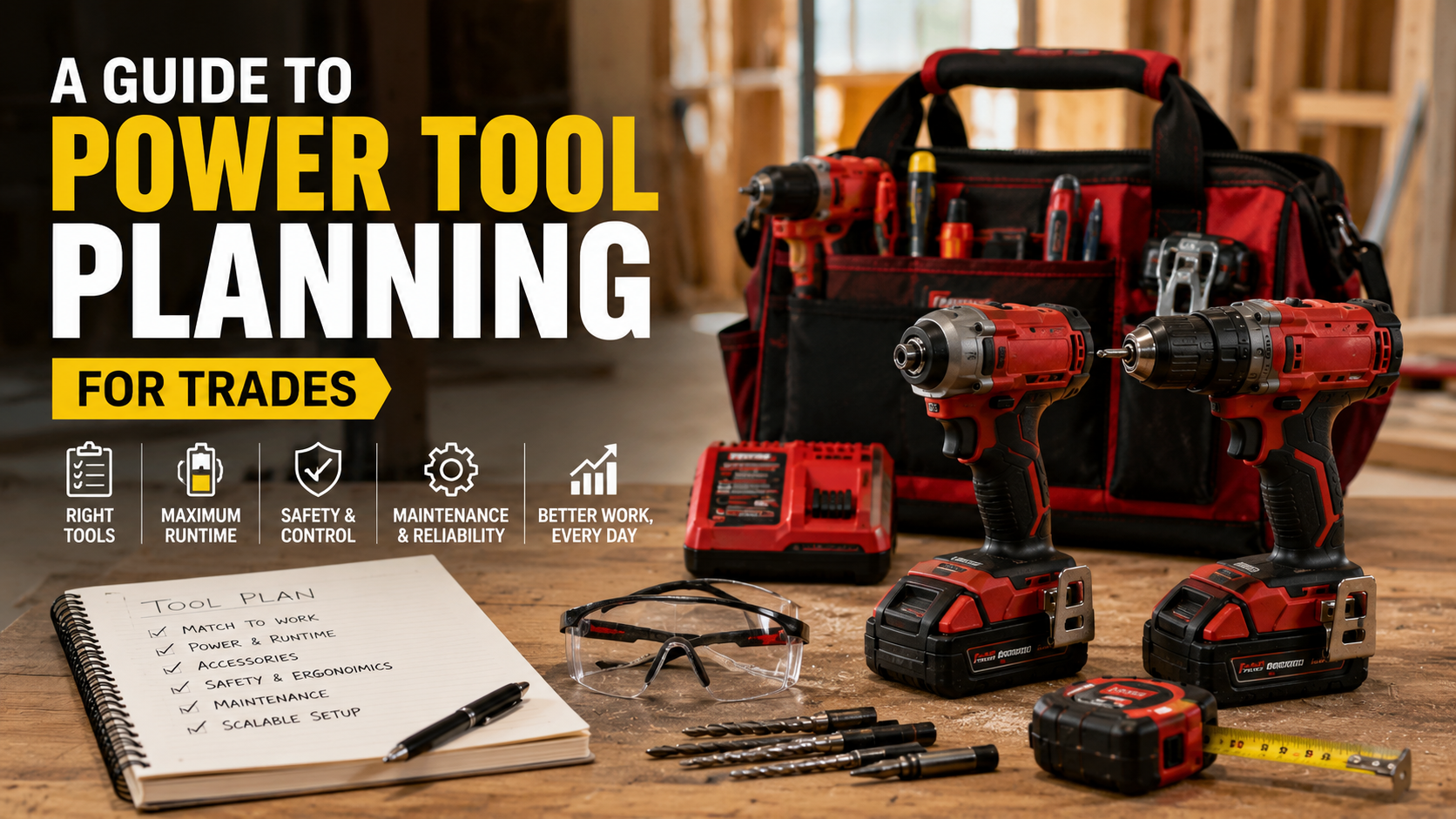
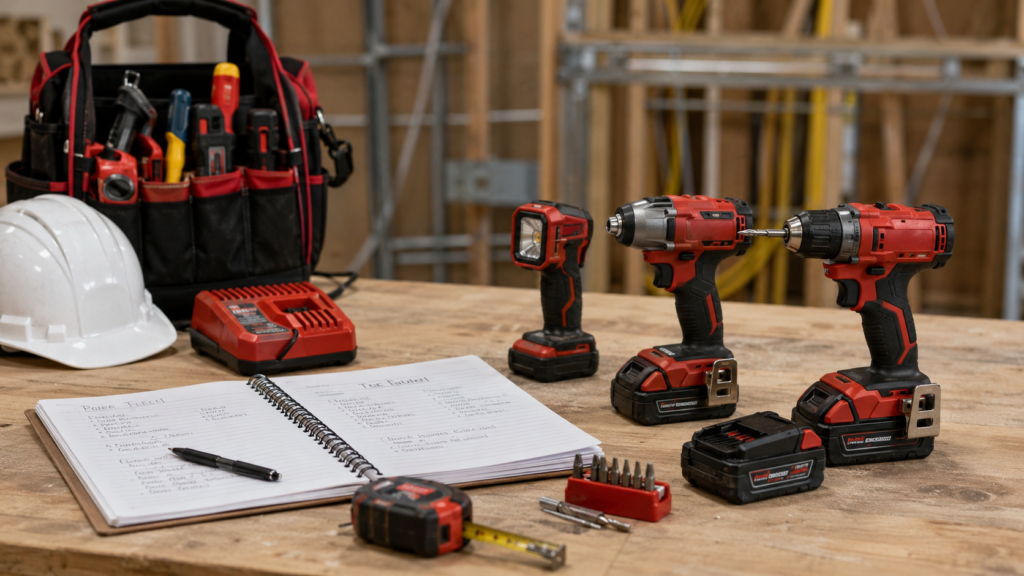
Power tool planning is not just about buying the most powerful gear available. For technicians, tradespeople and electrical contractors, the right plan helps control costs, reduce downtime, improve safety and keep work consistent across different jobs. A practical approach starts with knowing what each task demands, then matching tools, batteries, accessories and maintenance routines to real site conditions.
Match Tools to the Work You Do
Every trade has different power tool demands, so planning should begin with the work you complete most often. An electrical contractor may need reliable drills, drivers, cutters, crimping tools, inspection lights and compact tools for switchboards or ceiling spaces. A technician may place more value on precision, portability and control rather than sheer power.
Tool platforms also matter because batteries, chargers and compatible accessories can affect day-to-day efficiency. When comparing brands or building a kit, such as Milwaukee tools for professional tradespeople, platform compatibility and the level of durability required for regular site use. The goal is not to buy every available tool, but to build a practical system that supports repeatable work.
Plan Around Power and Runtime
Battery performance is a major part of tool planning. A tool may have excellent specifications, but if the battery cannot support a full shift, productivity suffers. Trades should consider voltage, ampere-hour capacity and charging time before committing to a platform.
Higher voltage tools are often suited to heavier applications, while compact lower-voltage options may be better for confined spaces or detailed work. Battery capacity affects runtime, but larger batteries can add weight. A balanced setup usually includes multiple batteries, a reliable charger and a clear charging routine so tools are ready before work begins.
Choose Accessories Before Problems Appear
Power tools perform only as well as the accessories fitted to them. Drill bits, blades, sanding pads, cutting discs and driver bits should be chosen based on the materials handled most often. Using the wrong accessory can slow the job, damage the tool or produce poor-quality work.
Planning accessories in advance also helps avoid last-minute substitutions on site. For example, working with stainless steel, masonry, timber, plastics or cable management materials may require different cutting or drilling options. Trades should also consider torque settings, impact ratings and manufacturer compatibility when selecting consumables and attachments.
Consider Safety, Control, and Ergonomics
Tool planning should include how the tool feels and behaves during repeated use. Weight, grip shape, trigger control, vibration and balance can all affect accuracy and fatigue. A tool that is technically powerful may still be a poor choice if it is uncomfortable during overhead work or awkward in tight service areas.
Safety features should also be reviewed before purchase. Features such as kickback control, electronic braking, dust extraction compatibility and overload protection can make a meaningful difference on busy worksites. For electrical trades, insulation, visibility, access limitations and safe handling around live environments should always influence tool selection.
Build a Maintenance and Replacement Routine
A power tool plan should not end once the tools are purchased. Regular maintenance protects performance and extends service life. Cleaning dust from vents, checking batteries, inspecting cords on corded tools and replacing worn accessories all reduce the risk of failure during critical tasks.
Replacement planning is also important. Trades should track which tools are used daily, which are backup items and which are nearing the end of practical service. On brushed tools, worn carbon brushes may also need attention as part of routine servicing. A simple review every few months can prevent unnecessary downtime and help decide whether a tool should be repaired, replaced or upgraded.
Keep Your Tool Kit Practical and Scalable
A good tool kit should be complete enough for current work but flexible enough for future jobs. Buying into one compatible battery platform can reduce clutter and simplify charging, but it should still support the range of tools required for your trade. Planning becomes especially important for growing teams, where shared batteries, chargers and accessories need to be standardised.
Scalability also means avoiding overbuying. Specialist tools can be valuable, but only when they solve recurring problems or save measurable time. For occasional tasks, hiring or outsourcing may be more practical than adding another tool that rarely leaves the case.
Smarter Planning Leads to Better Work
Power tool planning gives trades more control over cost, quality and reliability. By matching tools to daily work, checking runtime needs, choosing the right accessories and maintaining equipment properly, you can build a kit that supports safer and more efficient jobs. The best setup is not always the largest one; it is the one that helps you complete work consistently with fewer delays and fewer compromises.