
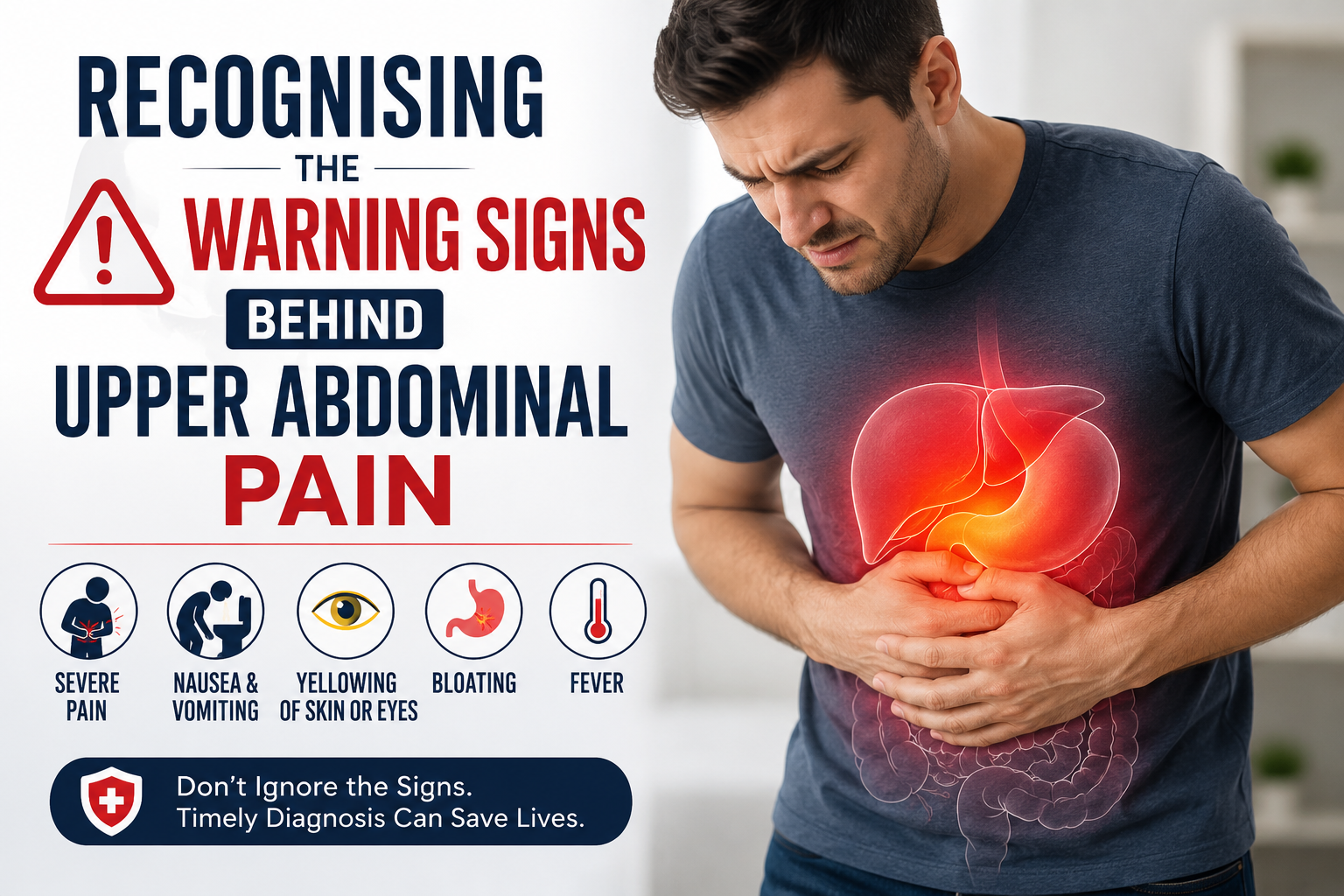
Upper abdominal pain can be confusing. It shows up quietly for some people, while for others it comes in waves that disrupt daily life. Many tend to brush it off as something they ate or a minor stomach issue, especially when the discomfort fades after a while.
But not all abdominal pain is harmless. Sometimes, it is the body’s way of pointing to a deeper issue that needs attention. Learning to notice patterns, triggers, and accompanying symptoms can make a big difference in knowing when to seek help.
Understanding what lies behind this type of pain can help people make more informed decisions about their health. In some cases, a consultation with a gallbladder surgeon may be necessary, especially when symptoms suggest something more than an upset stomach.
When Digestive Discomfort Is More Than Just Indigestion
Many people associate upper abdominal pain with common digestive issues like bloating or acid reflux. While that is often true, there are times when the pain signals something more specific, particularly involving the gallbladder.
Pain After Eating Fatty Meals
One of the more noticeable patterns is pain that appears after eating rich or oily food. This discomfort often settles in the upper right side of the abdomen and may spread to the back or shoulder.
It may start as a dull ache but can become sharp and persistent. Some people feel it within minutes of eating, while others notice it hours later. Because it comes and goes, it is easy to ignore at first. Over time, however, the episodes may become more frequent and more severe.
Nausea and a Sense of Fullness
Alongside pain, there may be a lingering feeling of nausea or fullness, even after eating a small amount. This can make meals less enjoyable and lead to a lower appetite.
Some individuals describe a heavy sensation that does not quite go away. It may feel like food is sitting in the stomach for too long. While this can overlap with other digestive problems, when paired with upper abdominal pain, it can point toward gallbladder concerns.
Pain That Comes in Episodes
Unlike constant stomach discomfort, gallbladder related pain often appears in episodes. These can last from several minutes to a few hours before easing on their own.
Because the pain eventually subsides, many people delay seeking advice. However, recurring episodes are worth paying attention to. The body rarely repeats a signal without a reason, and patterns like these often indicate an underlying issue that should not be ignored.
Signs That Suggest Something More Serious
While some symptoms may remain mild, others can signal that the condition is getting worse. Recognising these signs early can help prevent complications and allow for timely care.
Fever and Sudden Intense Pain
When upper abdominal pain becomes severe and is accompanied by fever, it may indicate inflammation or infection. This type of pain tends to be sharper and more difficult to tolerate.
Some people also experience chills or sweating during these episodes. The body may feel weak, and the discomfort may not improve with rest or common pain relief medicines. These signs should not be dismissed, as they can point to serious problems that require prompt medical evaluation.
Changes in Skin or Urine
Another important sign to watch for is a yellowing of the skin or eyes. This may occur when bile flow is affected, often due to a blockage. Urine may also appear darker than usual, while stools can become lighter in color.
These changes are not always immediately noticeable, but they can develop gradually. When they appear alongside upper abdominal pain, they suggest that the issue may be affecting more than just digestion. Seeking medical attention at this stage can help address the problem before it gets worse.
Listening to What the Body Is Saying
Upper abdominal pain is easy to overlook, especially when life is busy and symptoms come and go. However, recurring discomfort, especially when paired with other signs, deserves attention.
The key is not to jump to conclusions, but to stay aware of patterns. When pain is linked to meals, returns in cycles, or begins to become more severe, it is worth having a proper evaluation. Early understanding often leads to easier and more effective treatment.
Paying attention to these warning signs allows individuals to take a more proactive role in their health. Instead of waiting for symptoms to become severe, recognising them early creates an opportunity for timely guidance and reassurance.